

Maddy summaryHR 6734 prohibits the use of federal funds to finalize, implement, or enforce the Bureau of Alcohol, Tobacco, Firearms, and Explosives' (ATF) proposed rule (2022R-17) defining "engaged in the business as a dealer in firearms." This bill directly affects the ATF by blocking funding for this specific regulatory rule, which was proposed in August 2023. The legislation does not create new requirements but prevents federal resources from being used to advance this particular ATF regulation.
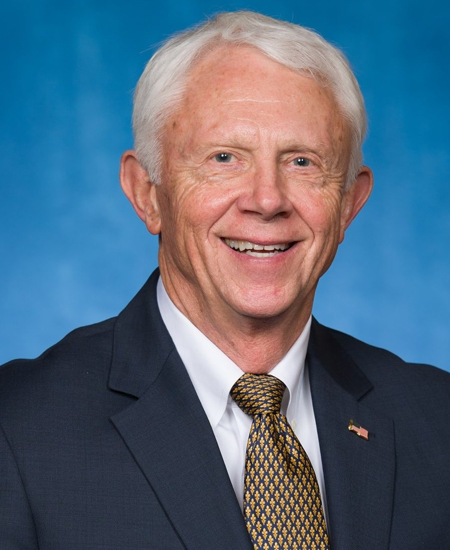
Rep. Jack Bergman
Sponsored bills
Maddy summaryThe Elizabeth Dole Home Care Act of 2023 increases the expenditure cap for home- and community-based care for veterans from 65% to 100% of costs, with exceptions for certain cases based on clinical need and geographic factors. It establishes new programs including Veteran-Directed Care, which allows veterans to select and manage their own in-home care services, and Home-Based Primary Care, which provides in-home health care overseen by VA providers. The bill requires improved coordination with existing programs like the Program of All-Inclusive Care for the Elderly (PACE) and mandates a centralized website with information about available services. It specifically targets veterans who would otherwise require nursing home care or face increased risk of hospitalization, and includes provisions to address home health aide shortages through pilot programs.
Maddy summaryThis resolution censures Representative Jamaal Bowman (NY-16) for pulling a fire alarm during a critical House vote on federal funding in September 2023. It follows Bowman's guilty plea to violating D.C. law (section 22-1319) for falsely reporting a fire, which forced the evacuation of the Cannon Building and disrupted congressional business. The resolution requires Bowman to appear in the House chamber for the public reading of the censure and formally accepts his $1,000 fine and apology letter as part of the disciplinary action. This is a procedural House disciplinary measure, not a policy change affecting constituents or legislation.
Maddy summaryHRES 870 is a symbolic House resolution supporting National Rural Health Day, observed annually on the third Thursday of November. It recognizes rural health care providers and the 60+ million people living in rural communities who face challenges like hospital closures, limited access to care, and health disparities. The resolution expresses commitment to improving rural health care accessibility and affordability but includes no new funding, programs, or policy changes - only a formal acknowledgment of existing efforts. It directly affects rural communities by honoring their health care contributions through a non-binding statement.
Maddy summaryHR 6458, the EMPOWER Act, eliminates the federal Office for Elementary and Secondary Education and replaces specific federal education programs with block grants to states. Beginning in fiscal year 2024, states receive flexible funding based on the number of children aged 5-17 in each local school district, instead of administering targeted federal programs. This directly affects all 50 states, the District of Columbia, and U.S. territories (like Puerto Rico and Guam) that receive federal education funding. The bill repeals existing program-specific statutes and shifts oversight from the Department of Education to state-level allocation of funds. It takes effect October 1, 2023.
Maddy summaryThis resolution (HRES 845) formally censures Representative Rashida Tlaib (D-MI) for specific statements she made regarding the October 7, 2023, Hamas attack on Israel. The resolution cites her October 8 comments falsely linking U.S. aid to the attack, her October 18 defense of a false claim about an Israeli hospital bombing, and her November 3 social media post featuring the phrase "from the river to the sea," which the resolution characterizes as a call for Israel's destruction. As a procedural resolution, it does not enact new policy but serves as a formal House condemnation of her conduct. The censure is directed solely at her statements, not at any legislative action or policy change.
Maddy summaryThe SHIP Act imposes sanctions on foreign entities that knowingly handle Iranian petroleum, targeting those involved in port operations, transportation, refining, or ship-to-ship transfers of Iranian oil. Starting 90 days after enactment, the President must block assets, deny visas, and impose penalties on individuals or companies engaging in these activities, including family members or owners of sanctioned entities. It requires annual reports tracking Iran's oil exports, revenues, and key players like shipping companies and ports. The sanctions terminate if the President certifies Iran has stopped supporting terrorism and dismantled weapons programs.
Maddy summaryThis bill denies U.S. green energy tax credits to companies connected to specific countries. It targets companies created in, controlled by, or owned by entities linked to China, Russia, Iran, or North Korea. The law amends the tax code to exclude these "disqualified companies" from claiming credits under sections covering solar, wind, and other clean energy investments. This directly affects U.S. businesses with ties to those nations seeking federal tax benefits for green energy projects.
Maddy summaryThe REPAIR Act requires car manufacturers to provide vehicle owners and independent repair shops with free, unrestricted access to vehicle data and repair information. It bans manufacturers from using technological or legal barriers to block access to diagnostics, tools, or aftermarket parts, and prohibits mandating specific brands for repairs or restricting customers’ choice of repair facility. The law also prevents manufacturers from requiring waivers of these rights as a condition of purchase, lease, or warranty service. The Federal Trade Commission will enforce these provisions to ensure fair competition in vehicle repair.
Maddy summaryThis bill designates the federal building at 985 Michigan Avenue in Detroit, Michigan, as the "Rosa Parks Federal Building." It updates all federal references to the building to use this new name and repeals prior designations (Public Law 109-98 and sections of Public Law 109-101) that used different names for the same building. The bill affects federal records, maps, and documents referencing the location but does not create new policies or impact citizens.