

Maddy summaryThis bill adds Medicare coverage for multi-cancer early detection screening tests (blood or biological tests analyzing cell-free DNA) starting January 1, 2028. It directly affects Medicare beneficiaries aged 68 and older (starting in 2028, with the age limit increasing by 1 year annually), requiring tests to be FDA-cleared and deemed reasonable/necessary by the Secretary for early cancer detection across multiple organ sites. Payment will initially match current stool DNA test rates before 2031, then shift to a lower rate or new payment system after 2031, with limits preventing more than one test per year. The bill explicitly states it does not alter coverage for existing cancer screenings like breast, colorectal, or prostate cancer tests.
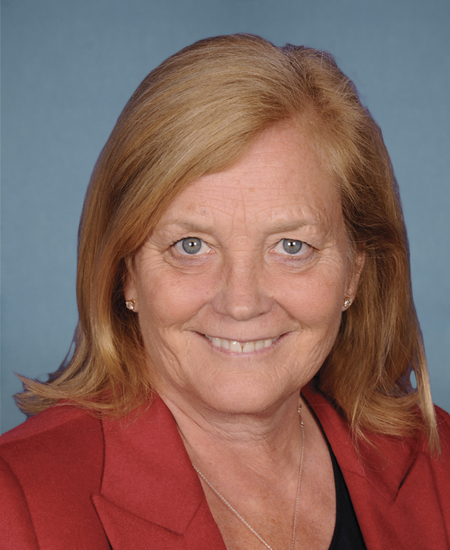
Rep. Chellie Pingree
Sponsored bills
Maddy summaryHR 5653, the Trust Through Transparency Act of 2025, requires U.S. Customs and Border Protection (CBP) and U.S. Immigration and Customs Enforcement (ICE) officers, as well as deputized personnel, to wear body cameras during all public immigration enforcement actions like stops, arrests, or checkpoints. Footage must be kept for six months unless it involves use of force, an arrest, a complaint, or a voluntary request for longer retention (up to three years) by officers, the public, or families. The bill mandates annual reports to Congress detailing enforcement actions, compliance issues, disciplinary actions taken, and public access to these reports (with privacy redactions permitted). It also creates an independent panel to advise on body camera policies, aiming to increase accountability in immigration enforcement.
Maddy summaryHRES 778 is a non-binding House resolution expressing support for recognizing September 29, 2025, as "International Day of Awareness of Food Loss and Waste." It does not create new laws or programs but formally acknowledges the issue through congressional resolution. The resolution cites statistics on global food waste (including $1 trillion in annual losses and 8-10% of greenhouse gas emissions from food waste) and aligns with the existing 2024 National Strategy for Reducing Food Loss and Waste. It serves only as symbolic support for raising awareness, with no direct policy changes or obligations for individuals or entities.
Fair Pay for Federal Contractors Act of 2025 This bill provides back pay to employees of federal contractors who lost pay due to a lapse in appropriations (i.e., government shutdown) in FY2026. Specifically, the bill provides appropriations for federal agencies that are subject to a lapse in appropriations in FY2026 to adjust the price of contracts to compensate federal contractors for providing back pay to employees who were affected by the lapse in appropriations. The agencies must adjust the price of any contract for which the contractor stopped, suspended, delayed, or interrupted all or part of the work under the contract due to the lapse in appropriations. The price adjustment must compensate the contractor for reasonable costs incurred to (1) compensate employees who were furloughed or laid off, were not working, or experienced a reduction of hours or compensation due to the lapse in appropriations; or (2) restore paid leave taken by employees during the lapse in appropriations if the contractor required or permitted employees to use paid leave as a result of the lapse in appropriations. The maximum amount of weekly compensation of an employee for which an adjustment may be made under this bill may not exceed the lesser of (1) the employee's actual weekly compensation, or (2) $1,442 (or a lesser amount pro-rated for an employee who works less than 40 hours per week). The bill also requires the Office of Federal Procurement Policy to submit a report to Congress on the adjustments made under this bill.
Physical Therapist Workforce and Patient Access Act of 2025 This bill expands certain health professional programs and Medicare covered services to include physical therapists. Specifically, the bill expands the National Health Service Corps to include physical therapists and provides for the designation of specific health professional target areas for physical therapists under the program. The bill also expands covered services of rural health clinics and federally qualified health centers under Medicare to include physical therapy services. The bill increases funds for FY2025 for the corps and requires a certain amount of funds to be used for student loan repayments for participating physical therapists in the National Health Service Corps Loan Repayment Program.
Maddy summaryHR 5655, the "No Shame at School Act of 2025," requires schools to eliminate stigma around unpaid meal fees for students. It mandates that school districts automatically certify eligible students for free/reduced meals (replacing "may" with "shall"), prohibits physical segregation or public identification of students with unpaid fees (like special tokens or name lists), and bans withholding grades or activities due to meal debt. The bill also prevents schools from using debt collectors for meal fees and requires adjustments to past meal claims when eligibility is later confirmed. This directly affects schools, local educational agencies, and students from households with outstanding meal fees.
Maddy summaryThis bill repeals longstanding restrictions on federal funding for gun violence research that have been in place since 1996. It establishes a National Gun Violence Research Program coordinated by the Office of Science and Technology Policy, authorizing $200 million over six years ($200,000 annually from 2026-2031) to fund research across multiple agencies including the National Institutes of Health, Centers for Disease Control, and National Institute of Justice. The bill requires sharing of gun trace data with researchers and creates an interagency working group and advisory committee to guide the research program. This legislation focuses on enabling research into the causes and prevention of gun violence without making changes to gun laws or regulations.
Maddy summaryThis resolution (HRES 770) is a symbolic statement expressing the House's support for "Military Sexual Trauma Awareness Day" observed on September 25. It directly affirms the House's commitment to military sexual trauma (MST) survivors - impacting both women and men in the military - by highlighting the need to reduce stigma and improve support systems. The resolution encourages the Department of Defense and Veterans Affairs to expand access to MST-related services and promote transparency in handling cases, but it does not create new laws or funding. As a non-binding resolution, it serves only to formally acknowledge the issue and encourage existing agencies to prioritize survivor care.
Maddy summaryThis bill prevents federal agencies from terminating employees during a government shutdown caused by a lapse in discretionary funding. It prohibits removals of civil service employees at any agency affected by a funding gap, and if an employee is wrongfully removed, they can return to their job with back pay once funding resumes. The law directly protects all federal employees covered by the civil service system during shutdowns. It applies automatically to any funding lapse, requiring automatic reinstatement without needing separate legal action.
Maddy summaryHCONRES 51 directs the President to withdraw U.S. military forces from hostilities against Venezuela and designated terrorist organizations (transnational criminal groups listed as Foreign Terrorist Organizations or Specially Designated Global Terrorists) without congressional authorization. It applies to military actions since February 20, 2025, including recent Caribbean operations referenced in the bill's findings. The resolution invokes the War Powers Resolution, requiring removal of forces when no declaration of war or specific statutory authorization exists. It explicitly excludes self-defense against sudden attacks but mandates withdrawal for unapproved military engagement.