

Maddy summaryThe Women's Health Protection Act of 2025 would protect access to abortion services across the United States by prohibiting states from imposing restrictions that are more burdensome than those on comparable medical procedures. The bill directly affects people seeking abortion care and health care providers by banning restrictions such as mandatory in-person visits, requirements for specific tests, limitations on telemedicine, and rules based on a patient's reason for seeking abortion. It prohibits state laws that single out abortion for unnecessary restrictions while allowing post-viability abortions when necessary to protect a patient's life or health. The bill preempts conflicting state laws and provides enforcement mechanisms through private lawsuits and actions by the Attorney General.
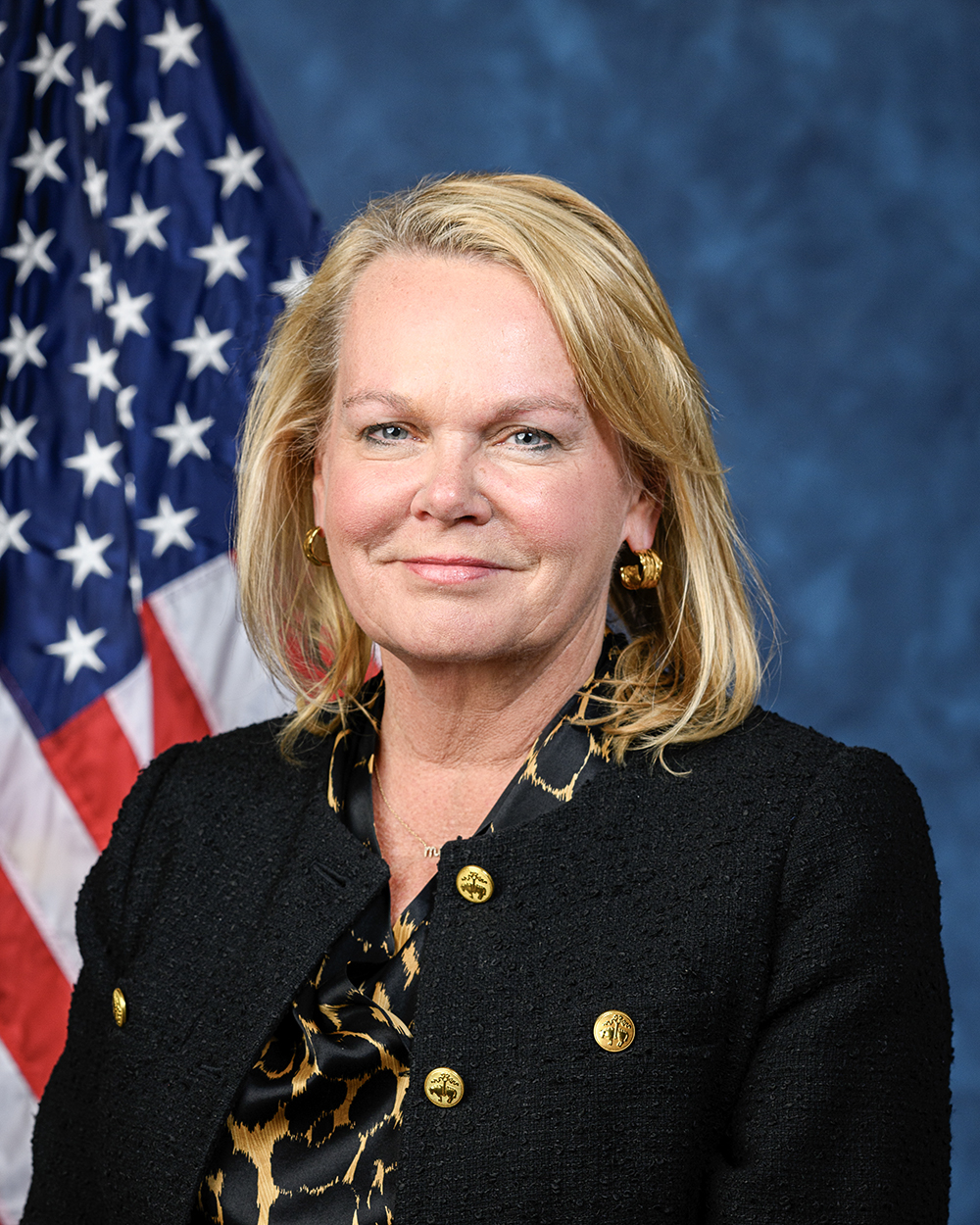
Rep. April McClain Delaney
Sponsored bills
Maddy summaryThis bill creates federal funding for community-based violence intervention programs in high-violence areas, targeting communities with 35+ homicides annually or 20+ homicides with rates double the national average. It establishes grants for community organizations to implement trauma-informed violence interruption strategies, hospital-based programs for injured patients, and job training for "opportunity youth" (16-25 year olds not in school or work). The legislation authorizes $300 million in 2026, increasing to $700 million annually through 2033, with requirements for evidence-based approaches that reduce violence without contributing to mass incarceration. It creates a National Community Violence Response Center to coordinate data collection, research, and best practices for these programs. The focus is on prevention through economic opportunity, trauma care, and community-driven interventions rather than traditional law enforcement approaches.
Maddy summaryThe Caring for Survivors Act of 2025 increases monthly dependency and indemnity compensation for surviving spouses of veterans. It changes the calculation method from a fixed $1,154 to 55% of a specific veteran compensation rate, effective six months after enactment. The bill also reduces the required continuous disability rating period for survivors from 10 years to 5 years, and provides a proportional payment for cases where the rating period is shorter than 10 years. Surviving spouses of veterans who died before January 1, 1993, receive the greater of their current benefit or the new calculation. This directly affects surviving spouses eligible for benefits under Title 38, U.S. Code, particularly those with veterans who died prior to 1993.
Maddy summaryHR 4074, the Optimizing Postpartum Outcomes Act of 2025, requires the Health and Human Services Secretary to issue guidance within one year on improving Medicaid and CHIP coverage for pelvic health services during pregnancy and the postpartum period (defined as up to 6 months after birth or during lactation). The bill directs the GAO to study coverage gaps for these services and mandates a new CDC-led education campaign to train healthcare providers and inform postpartum women about pelvic floor exams and physical therapy. Key provisions include standardizing terminology for pelvic health conditions, sharing state best practices for payment models, and authorizing $2 million annually for the education program through 2030. This bill directly affects postpartum women covered by Medicaid or CHIP by aiming to increase access to evidence-based pelvic health care.
Maddy summaryThe STEM Pathways for the Future Act creates a new grant program at the National Science Foundation to fund STEM apprenticeship programs not offered by four-year colleges. Eligible recipients include states, tribes, cities, community colleges, and minority-serving institutions, which can use grants for recruiting participants, incorporating emerging technology, and forming private-sector partnerships. The bill prohibits grant funds from being used to incentivize business relocations and establishes an interagency task force to identify existing federal STEM training programs at community colleges and registered apprenticeships within one year. This legislation directly supports workforce development in science, technology, engineering, and math fields through accessible apprenticeship opportunities.
Maddy summaryHR 3753, the Expanding Access for Online Veteran Students Act, would increase housing stipends for veterans using the Post-9/11 GI Bill to take fully online courses. Currently, veterans enrolled solely in distance learning programs receive only 50% of the standard housing allowance; this bill removes that restriction, providing full housing stipends for online students attending more than half-time. The change applies to all veterans pursuing online degrees under the Post-9/11 GI Bill, ensuring they receive the same housing support as on-campus students. The policy takes effect for terms beginning August 1, 2025.
Maddy summaryThe PLANT Act makes it a federal crime to import high-risk agricultural pathogens - such as harmful bacteria, viruses, or pests - without a U.S. Department of Agriculture permit. It directly affects importers, including businesses or individuals bringing in biological agents that could damage U.S. crops, livestock, or ecosystems. Violations carry up to 10 years in prison, with penalties increasing to 20 years if the offense involves concealing the pathogen’s origin, foreign government involvement, or over $1 million in economic harm. The Secretary of Agriculture will define "high-risk" pathogens through future regulations.
Maddy summaryHR 3946, the FIGHT Act of 2025, amends the Animal Welfare Act to specifically prohibit gambling on animal fighting events and restrict the interstate transport of roosters used in such ventures. It defines "rooster" as male chickens over six months old and makes it unlawful to sponsor, exhibit, attend (for those under 16), or gamble on animal fighting events - whether in-person or broadcast. The bill creates a civil enforcement mechanism allowing any person to file a lawsuit to stop violations after providing 60 days' notice to authorities, with potential fines up to $5,000 per violation. It also establishes seizure of property used to facilitate violations and clarifies that state laws on animal fighting remain in effect unless directly conflicting with federal provisions.
Maddy summaryHR 3988 requires the Department of Housing and Urban Development (HUD) and the Census Bureau to jointly study how federal agencies track and record "housing loss" in the U.S. Housing loss is defined as involuntary displacement, including evictions, foreclosures, or displacement from natural disasters. The study must identify common types of housing loss, review existing federal data sources, assess data quality, and recommend improvements for better tracking. HUD and the Census Bureau must submit a report to Congress within six months detailing these findings and recommendations. This bill does not change current laws but mandates a federal review to improve how housing loss is measured.
Maddy summaryThe LEAPS Act requires the U.S. Department of Agriculture (USDA) to create and share practical resources to help farmers and ranchers improve energy efficiency in their irrigation and livestock watering systems. Specifically, it mandates USDA to develop publicly available educational materials about cost and energy savings from efficient pumps, pipes, and controls, plus a user-friendly online tool for farmers to assess their current systems and estimate potential savings. The bill also directs USDA to train energy auditors on pumping system efficiency to strengthen existing conservation programs like the Environmental Quality Incentives Program. These provisions directly affect agricultural operations using pumping systems, aiming to reduce energy use, water waste, and emissions through voluntary upgrades.