

Maddy summaryThis bill establishes the Chesapeake National Recreation Area as a new unit of the National Park System to preserve and promote public access to the Chesapeake Bay watershed. It defines the Recreation Area's boundaries using a specific map, creates an Advisory Commission with 19 members representing Maryland, Virginia, tribal interests, and youth, and outlines how land acquisition and management will occur through donations, purchases, or partner agreements. The legislation requires coordination with existing programs like Chesapeake Gateways and the Bay Program, while emphasizing conservation of natural, recreational, historical, and cultural resources. It directly affects communities, conservation organizations, and local governments in the Chesapeake Bay watershed by creating a formal structure for managing and expanding public access to Bay resources. The bill sets requirements for cooperative agreements with partner sites and mandates a management plan to coordinate activities with neighboring communities and existing conservation efforts.
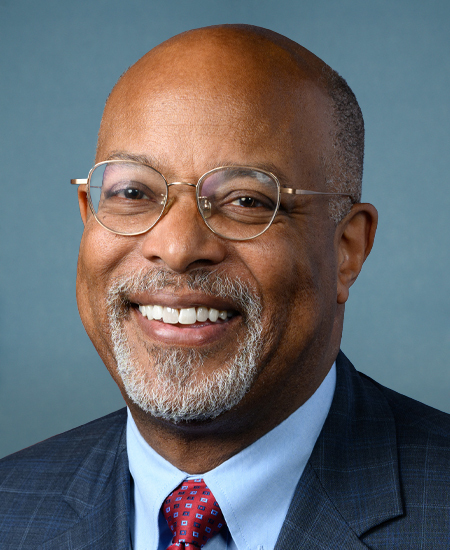
Rep. Glenn Ivey
Sponsored bills
Maddy summaryThis bill would prohibit solitary confinement in federal prisons and detention facilities, requiring all incarcerated people to have at least 14 hours per day of out-of-cell group interaction, including 7 hours of structured programming like education, mental health services, and recreation. It establishes strict limits on when confinement can be used (only in emergencies for short periods), mandates medical and mental health assessments, and requires regular reviews of placements in restrictive housing. The bill creates a community monitoring body to oversee implementation and provides financial incentives for states to adopt similar policies for their facilities. The law would take effect within 60 days of enactment, with specific requirements for facility reporting and due process protections.
Maddy summaryHR 5033, the Ensuring Accountability for Equity at USDA Act, requires the USDA to improve transparency and accountability for farmers and ranchers from historically underserved groups. It amends reporting rules to mandate detailed data compilation on program access trends over 5- and 10-year periods, plus implementation plans for equity improvements. The bill also creates new requirements for USDA to collect and act on customer feedback through multilingual channels, provide cultural competency training, and build frontline staff capacity to connect applicants with eligible programs. Additionally, it mandates USDA to notify Congress when lacking authority or resources to address equity gaps in its programs. These changes apply directly to USDA's program delivery systems serving agricultural communities.
Maddy summaryHR 4987, the Democracy Restoration Act of 2023, would restore voting rights for people with felony convictions who are living in their communities (not incarcerated), directly affecting approximately 4.6 million disenfranchised Americans. The bill requires states to automatically restore voting rights upon completion of sentences, including probation or parole, without requiring payment of fines or fees. It mandates notification to individuals about their restored voting rights and prohibits states from conditioning voting rights on payment of legal financial obligations. The legislation addresses the disproportionate impact of voting restrictions on racial minorities, particularly Black and Latino communities, who face significantly higher rates of disenfranchisement. This bill would apply to all federal elections held on or after its enactment date.
Maddy summaryHR 4963, the Tax Fairness for Workers Act, would restore tax deductions for certain employee expenses. It creates an above-the-line deduction for union dues and expenses paid by wage-earning employees, and allows miscellaneous itemized deductions for other work-related expenses (like uniforms or supplies) that were previously disallowed after 2017 tax law changes. These provisions directly affect employees who pay union dues or incur qualifying job-related costs. The bill amends specific sections of the Internal Revenue Code to make these deductions available for taxable years beginning after December 31, 2022. It does not change tax rates or provide new benefits, only reinstating previously eliminated deductions for eligible workers.
Maddy summaryThe Rebuild America's Schools Act of 2023 creates a $20 billion annual federal grant program to fund long-term improvements to public school facilities across the United States. It requires states to prioritize school districts serving high-poverty students (with high percentages of students eligible for free/reduced lunch) and those with deteriorating infrastructure, while mandating that recipient schools develop 10-year facilities master plans. The bill specifies that funds must be used for construction, renovation, and modernization projects that improve energy efficiency, address environmental health hazards (including lead, asbestos, and poor air quality), and ensure school safety, while requiring the use of American-made materials for construction projects.
Maddy summaryThis bill prevents juvenile offenders and their families from being jailed or forced to pay court fees, fines, or child support as a condition of probation. States must certify they prohibit these fees (including costs for attorneys, prosecution, or detention) to qualify for federal grants. The grants fund evidence-based mental health services and diversion programs for at-risk youth in detention, aiming to reduce reliance on incarceration. A national report will track how fees impact different demographic groups and incarceration rates.
Maddy summaryThis bill removes an age restriction for expunging certain criminal records. It amends federal law to eliminate the requirement that a nonviolent offender must have been under 21 years old at the time of a simple possession conviction involving controlled substances. As a result, individuals convicted of these offenses who are now 21 or older can now qualify for record expungement, regardless of their age at the time of the offense. The bill directly affects nonviolent offenders with past simple possession convictions who previously could not seek expungement due to their age when convicted. This change expands eligibility for record clearance under federal expungement provisions.
Maddy summaryThe Safer Supervision Act of 2023 requires federal courts to make individualized assessments before imposing supervised release, considering factors like public safety and rehabilitation needs rather than applying blanket rules. It establishes a presumption for early termination of supervised release after 50% of the term (66.6% for certain offenses) if the defendant has good conduct and termination won’t jeopardize public safety. The bill also mandates a GAO study on federal post-release supervision and proposes equal pay for probation officers through law enforcement availability pay. These changes directly affect defendants on supervised release, courts, and probation officers.
Maddy summaryHR 4973, the Community-Based Gang Intervention Act, creates a new federal grant program to fund nonprofit organizations with expertise in gang intervention. These agencies receive funding to directly reduce gang violence by providing street mediation, negotiating truces between rival gangs, offering 24/7 crisis intervention, and delivering mental health services, job training, and victim support to gang-involved youth, their families, and affected communities. The bill mandates that grant recipients must provide services without discrimination based on race, gender, or criminal history. It specifically targets reducing gang-related violence through community-level engagement and specialized support, rather than punitive measures. The program applies to all communities experiencing gang violence, with services designed for youth under 18 (or the maximum age for juvenile jurisdiction in their state).