

Maddy summaryHRES 341 is a symbolic House resolution expressing support for Earth Day, not a substantive bill. It urges the President to issue an Earth Day proclamation, encourages Americans to address environmental challenges (like climate change and litter), and calls for rejoining the Paris Agreement - though these are non-binding recommendations with no legal force. The resolution references historical environmental legislation (like the Clean Air Act) but does not create new policies, allocate funds, or change regulations. It directly affects no specific group, as it solely serves to affirm environmental values through symbolic recognition. (Note: The document header incorrectly lists "Federal Water Pollution Control Act" as the bill text, but this is a formatting error; the actual resolution is about Earth Day.)
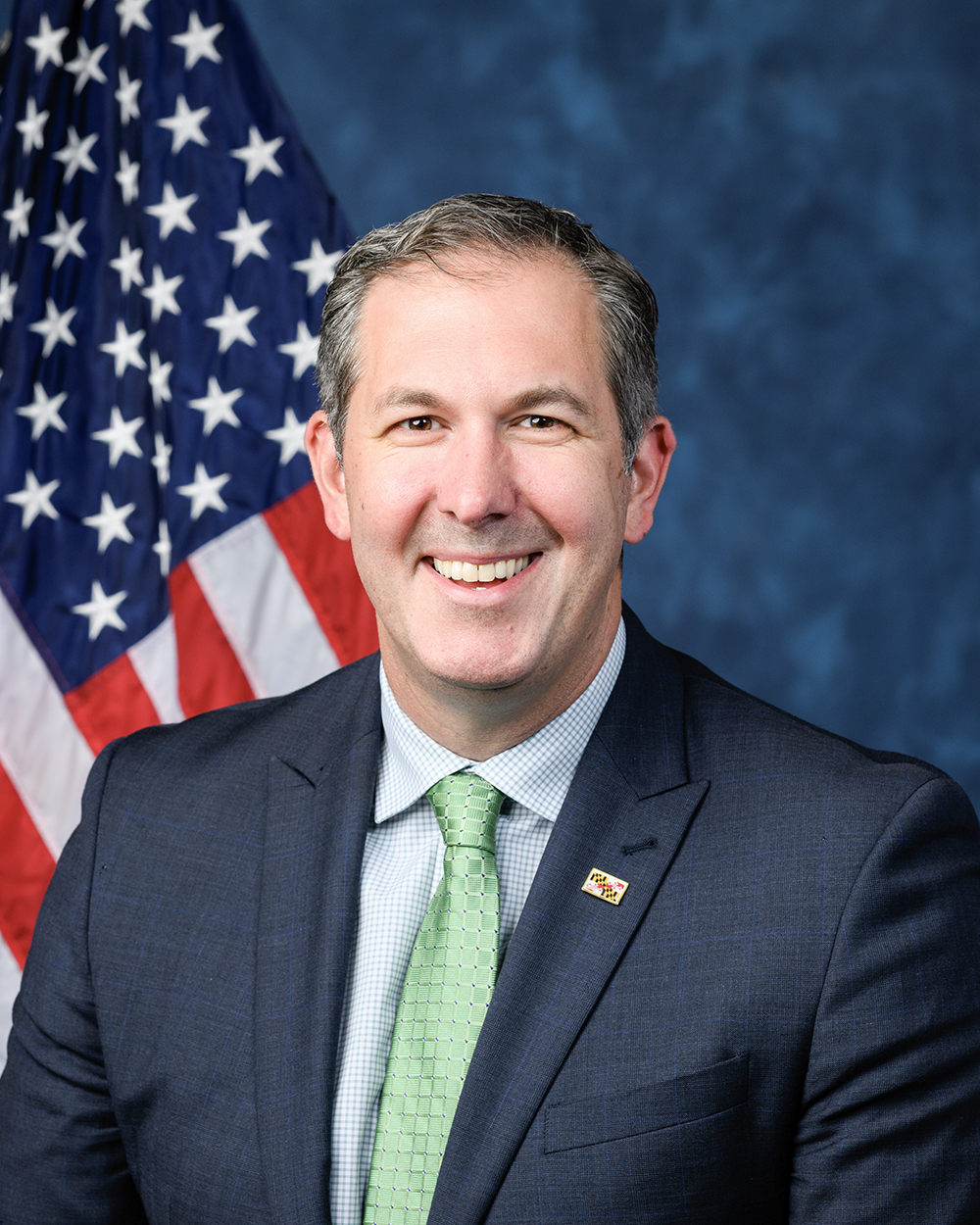
Rep. Johnny Olszewski, Jr.
Sponsored bills
Maddy summaryHR 2357, the Food Secure Strikers Act of 2025, removes a restriction that previously barred workers on strike from receiving Supplemental Nutrition Assistance Program (SNAP) benefits. The bill amends the Food and Nutrition Act of 2008 to eliminate language making workers ineligible for SNAP "as a result of being on strike," ensuring striking workers are not automatically denied food assistance during labor disputes. This change directly affects workers participating in strikes who would otherwise lose access to SNAP benefits. The key mechanism updates the eligibility rules to prevent SNAP ineligibility solely due to strike participation.
Maddy summaryHR 2880 provides due process protections for federal employees who are promoted to career positions (in the competitive service, excepted service, or Senior Executive Service) and serve under a probationary period. It requires these employees to be covered by existing federal employment laws, including special protections for Department of Veterans Affairs staff. The bill also allows employees removed from such positions between January 20, 2025, and the law's enactment to be reinstated to their former or equivalent role with backpay. Political appointees are excluded from these protections and reinstatement provisions.
Maddy summaryHR 2888, the "Stopping a Rogue President on Trade Act," terminates specific executive orders imposing tariffs (EOs 14257, 14193, and 14194) and requires congressional approval for new tariffs or trade restrictions. It directly affects the President, who can no longer unilaterally impose or increase tariffs without Congress passing a joint resolution approving the action. Key mechanisms include mandating a formal joint resolution process for tariff decisions (with limited exceptions for existing antidumping duties and trade agreements) and applying expedited congressional procedures. This bill shifts authority from the executive branch to Congress for major trade policy changes.
Supplemental Oxygen Access Reform Act of 2025 or the SOAR Act of 2025 This bill establishes certain requirements with respect to the payment and provision of supplemental oxygen and related services under Medicare. For example, the bill provides for separate payments, indexed to inflation, of oxygen and related equipment, supplies, and services under Medicare (rather than under the competitive acquisition program). It also specifically covers services that are provided by respiratory therapists under Medicare and provides for an additional payment adjustment for these services. Additionally, the bill (1) requires the Centers for Medicare & Medicaid Services to develop an electronic template for providers to use when prescribing oxygen and related equipment, supplies, and services; and (2) establishes certain rights for beneficiaries receiving these items and services, such as the right to choose their suppliers and to receive clear communications and be informed about the services provided.
Maddy summaryH.J. Res. 91 terminates the national emergency declared by the President on April 2, 2025, under Executive Order 14257. The resolution ends this emergency status by invoking Section 202 of the National Emergencies Act (50 U.S.C. 1622). This action would halt the use of emergency powers associated with the declaration, such as special authorities or funding mechanisms. The bill directly affects federal agencies and the executive branch by removing the legal basis for operating under the emergency framework.
Maddy summaryHRES 317 is a non-binding resolution urging the U.S. government to lead global efforts to halt and reverse the nuclear arms race. It calls on the President to pursue negotiations with nuclear-armed states to reduce arsenals, end the U.S. policy allowing first use of nuclear weapons, eliminate immediate launch readiness, stop developing new weapons, and support communities affected by nuclear programs. The resolution emphasizes diplomatic action over military modernization to reduce nuclear risks and prevent catastrophic conflict.
Maddy summaryThe American Family Act (HR 2763) establishes a new refundable child tax credit that provides monthly payments to eligible families with children. It would pay $300 per month for each child under age 6 and $360 per month (120% of $300) for each child age 6 or older, with income limits of $150,000 for joint filers and $112,500 for other filers. The bill creates a "period of presumptive eligibility" to determine eligibility for monthly payments, allowing families to receive advance payments based on information from previous tax returns. This would directly affect millions of families with children who meet the income requirements, providing more consistent financial support throughout the year rather than an annual tax credit.
Maddy summaryHR 2753, the Hands Off Medicaid and SNAP Act of 2025, is a procedural bill that would prevent Congress from using budget reconciliation to cut Medicaid or SNAP benefits. It amends the Congressional Budget Act to block reconciliation bills or amendments that reduce Medicaid enrollment/benefits (under Social Security Act Title XIX) or SNAP eligibility/benefits (under the Food and Nutrition Act of 2008). This rule would apply until January 20, 2029, and only affects the budget reconciliation process, not the programs themselves. The bill does not change current benefit levels or eligibility rules for Medicaid or SNAP recipients.
Maddy summaryThe Raise the Wage Act of 2025 gradually increases the federal minimum wage from $9.50 to $17.00 per hour over six years, with annual adjustments based on median wage growth. It raises the base wage for tipped workers from $6.00 to $17.00 per hour, phasing out their separate minimum wage structure by 2029. The bill also eliminates special minimum wage certificates for disabled workers after 2029, requiring employers to pay the standard minimum wage. These changes apply to most covered workers, including tipped employees and those under 20, with specific transition timelines for each group.