

Maddy summaryThis bill protects farmers and ranchers who apply for or receive loans or payments through the Farm Service Agency (FSA) by restricting how their personal information is shared. It prohibits FSA employees from disclosing borrower details to certain government employees (like special government employees or staff detailed to FSA under specific rules), except for anonymized statistics or with the borrower's voluntary consent. Violations could result in fines up to $10,000 or imprisonment. The law directly affects agricultural borrowers by strengthening privacy safeguards around their financial data in FSA programs.
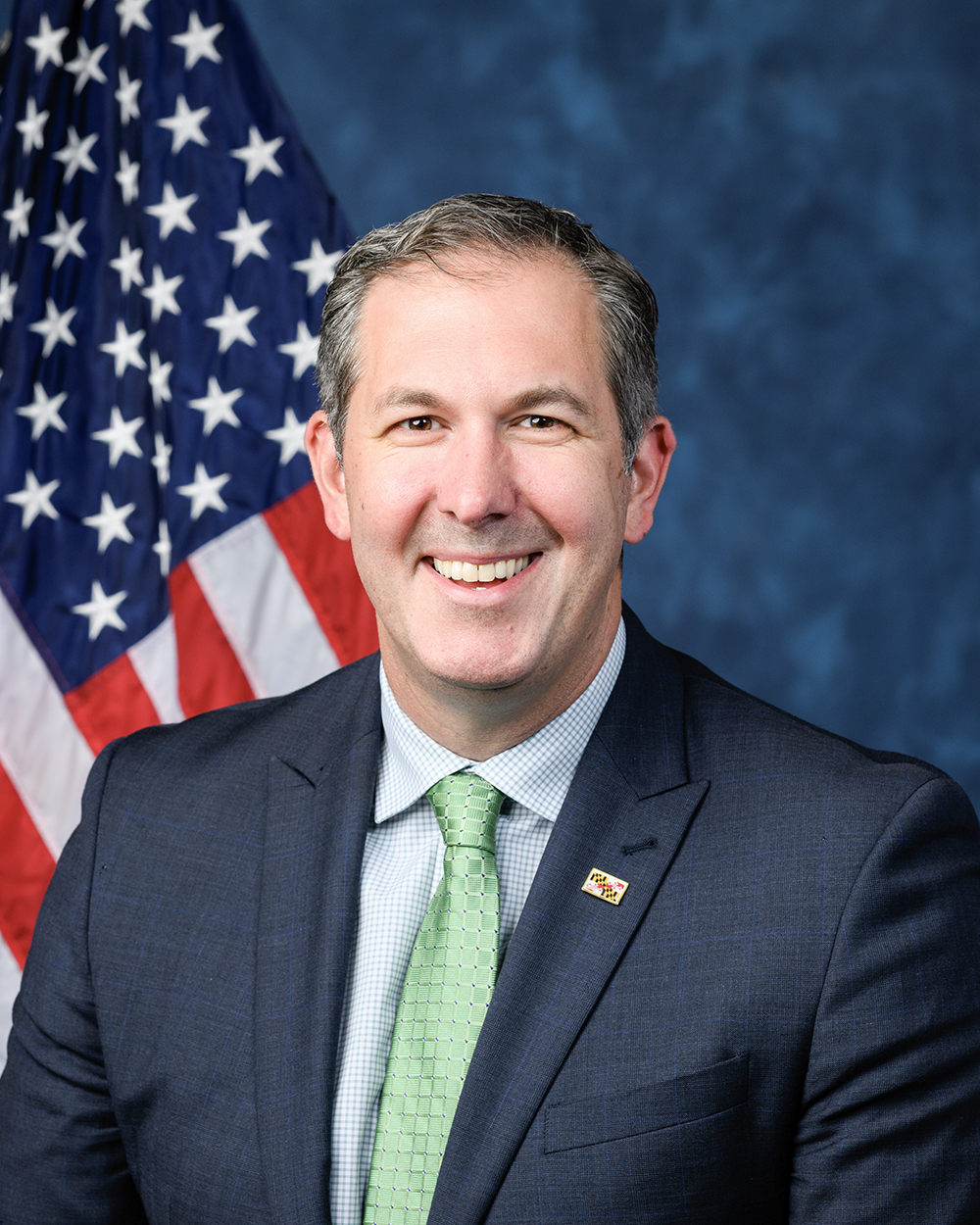
Rep. Johnny Olszewski, Jr.
Sponsored bills
Maddy summaryThis bill prohibits Members of Congress, their spouses, and dependent children from owning or trading certain investments, including stocks, commodities, and derivatives (referred to as "covered investments"). It requires affected individuals to divest these investments within 90-180 days, with specific exemptions for Treasury bonds, diversified mutual funds, small business interests, and family trusts meeting strict conditions. Violations incur penalties of 10% of the investment's value plus disgorgement of profits, paid directly to the U.S. Treasury. The law applies to all covered individuals during federal service, with exceptions for investments acquired through inheritance or occupational trading (e.g., a spouse’s finance job).
Maddy summaryThe PARTNER Act (HR 4490) authorizes the U.S. President to extend diplomatic privileges and immunities to five international organizations: the Association of Southeast Asian Nations (ASEAN), CERN (European nuclear research group), the Pacific Islands Forum, the Caribbean Community, and the African Union. It modifies existing law to allow these organizations to receive the same diplomatic protections as other international bodies the U.S. collaborates with under treaties or congressional authorization. The bill does not create new policy but adjusts legal authority for diplomatic recognition, affecting how these organizations interact with U.S. government operations. This is a procedural change, not a substantive policy shift, and applies only to diplomatic privileges, not other forms of engagement.
Maddy summaryHR 4966 prohibits grocery stores from selling items at "grossly excessive prices," defined as 120% or more above the average market price over the previous six months (with exceptions for unavoidable cost increases like supply chain issues). It bans using facial recognition or personal data to set different prices for individual customers (e.g., adjusting prices based on shopping history) and requires clear signage if facial recognition is used. Stores over 10,000 square feet must replace electronic shelf labels with physical price tags. The Federal Trade Commission enforces these rules, allowing consumers to seek $3,000 per violation or actual damages, with penalties for willful violations.
Maddy summaryThis bill requires the U.S. Department of State to include specific, detailed reporting on reproductive rights in its Annual Country Reports on Human Rights Practices. It mandates descriptions of each country's policies regarding access to contraception, abortion services, and comprehensive reproductive health care, alongside data on pregnancy-related deaths, discrimination against women and LGBTQI+ individuals, and disparities based on race, disability, or other factors. The bill also directs the State Department to consult with civil society organizations and health experts to ensure thorough reporting on these issues. This change aims to align U.S. reporting with international human rights standards and address past omissions of reproductive rights from these reports.
Maddy summaryThis bill adjusts health insurance subsidies by modifying the premium tax credit structure under the Internal Revenue Code. It replaces previous income thresholds with a sliding-scale formula, increasing subsidies for households earning between 150% and 400% of the federal poverty level - reducing their required premium payments as income rises within these tiers. The changes apply to tax years beginning after December 31, 2025, directly affecting middle-income individuals and families purchasing coverage through health insurance marketplaces. It also repeals specific provisions from a prior reconciliation law related to health care.
Maddy summaryThis bill removes a barrier preventing most low-income students from accessing SNAP benefits. It amends the Food and Nutrition Act to explicitly allow students enrolled at least half-time in recognized higher education programs to qualify for SNAP, reversing a prior exclusion. The key change eliminates the previous requirement that students meet specific exceptions (now deleted) and adds a new eligibility category under Section 3(m)(5). This directly affects low-income undergraduate and graduate students at colleges and training programs who were previously ineligible. The changes take effect January 2, 2026.
Maddy summaryHR 4796, the Restoring Essential Healthcare Act, repeals a provision that blocked Medicaid payments to certain healthcare providers during a specific period. It directly affects Medicaid beneficiaries who received care from these providers between the enactment of the prior law (Public Law 119-21) and this bill's enactment. The key provision retroactively restores Medicaid payments for services already provided during that blocked period, treating the payment restriction as if it never existed. This change ensures eligible individuals and providers receive reimbursement for covered care delivered during the prohibited timeframe.
Maddy summaryHR 4763, the PTO Act, requires most employers to provide employees with at least 1 hour of paid annual leave for every 25 hours worked, with a maximum of 80 hours per year. It applies to private-sector workers and certain government employees, protecting their right to use paid leave for any purpose without disclosing the reason. The bill mandates employers to maintain health benefits during leave, allow carryover of up to 40 hours of unused leave, and pay out unused leave upon separation. It also prohibits employers from discriminating against employees for using paid leave or requiring them to find replacements while on leave. The law includes enforcement mechanisms, allowing employees to file complaints with the Department of Labor or pursue private lawsuits.
Maddy summaryHR 4767 establishes two key programs to expand international educational exchanges. It creates a scholarship program allowing international students, scholars, and experts to study at U.S. community colleges and vocational institutions for up to one academic year in priority sectors like agriculture, engineering, health, and environmental resilience. The bill also funds a capacity-building program to help these U.S. institutions develop stronger study abroad offerings through grants, training, and resources for faculty and underrepresented students. These provisions directly affect eligible U.S. junior colleges and vocational schools by increasing their opportunities to partner with international participants and expand global education programs.