

Maddy summaryHR 4298, the Keep our Kids Safe Act of 2023, prohibits public elementary and secondary schools receiving federal education funds from using those funds for "sexualized performances" or classroom instruction about human sexuality that is not age-appropriate for students. It directly affects schools receiving federal funds under programs covered by the General Education Provisions Act, restricting how such funds can be used for topics like human sexual behavior. Key provisions ban funding for performances emphasizing secondary sexual characteristics or simulating sexual activities, and require all sexuality-related instruction to be developmentally appropriate for students from pre-kindergarten through grade 12. The bill does not ban all sex education but limits federal funding for specific types of instruction or performances deemed inappropriate for students' age groups.
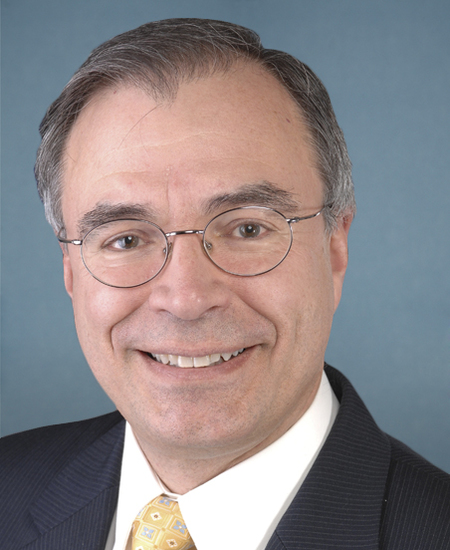
Rep. Andy Harris
Sponsored bills
Maddy summaryHR 4245, the "Enforce the Caps Act," sets specific annual spending limits for discretionary federal programs from fiscal years 2026 through 2029. It establishes new budget authority caps at $1.622 trillion for 2026, increasing to $1.671 trillion for 2029. The bill directly affects how Congress allocates funds for non-mandatory programs like education, transportation, and defense by legally binding these spending levels. This is a procedural adjustment to existing budget control law, not a new policy affecting specific groups or creating new programs.
Maddy summaryHR 277 would require Congress to approve major federal regulations before they take effect. Major rules are defined as those with significant economic impact ($100 million+ annually), major cost increases for consumers or industries, or significant adverse effects on competition, employment, or innovation. Agencies must submit detailed information about these rules to Congress, including cost-benefit analyses, before they can take effect. Congress would have 70 session days to approve the rule with a joint resolution; if they don't act within that timeframe, the rule would not take effect. This would increase congressional oversight of federal regulations and require more detailed information about proposed rules before they become law.
This resolution declares that the life of each human person begins at fertilization and calls upon Congress to enact legislation to enforce the Fourteenth Amendment's guarantee of equal protection for unborn children nationwide.
This bill generally prohibits Title X grants for family planning services, research, and training from being used for a hotline, website, or other system that provides individuals with counseling and referrals regarding abortion services. However, the prohibition does not apply (1) in cases of rape or incest, or (2) when a physician certifies that the individual suffers from a physical condition that is life-threatening unless an abortion is performed.
Maddy summaryThis bill prohibits the Department of Veterans Affairs from changing its anesthesia care policies to allow nurse anesthetists (CRNAs) to provide anesthesia independently without a physician anesthesiologist. It specifically blocks implementation of a 2016 proposed rule that would have expanded CRNAs' authority in VA facilities. The law maintains current requirements that physician anesthesiologists must oversee or provide anesthesia care for veterans during surgical procedures. Emergency orders for veteran safety during surgery remain permitted under the bill's exception clause.
Maddy summaryHR 3212, the "Shall Not Be Infringed Act of 2023," repeals or prevents funding for numerous gun control measures across federal agencies. The bill eliminates funding for Bureau of Alcohol, Tobacco, Firearms and Explosives (ATF) modernization efforts, blocks Department of Veterans Affairs programs related to firearm storage, and prohibits CDC and NIH from funding research on firearm injury prevention. It also repeals specific provisions from the Bipartisan Safer Communities Act related to background checks and domestic violence restrictions, and prevents the use of federal funds for red flag laws or gun registries. The bill directly affects federal agencies and programs that implement gun control measures, including ATF, VA, HHS, CDC, NIH, and the Department of Education.
Biden Time Act of 2023 This bill rescinds certain unobligated funds that were provided to address COVID-19 and for activities of the Internal Revenue Service (IRS). Specifically, the bill rescinds unobligated funds that were provided by the American Rescue Plan Act of 2021; the Coronavirus Preparedness and Response Supplemental Appropriations Act, 2020; the Families First Coronavirus Response Act; the Coronavirus Aid, Relief, and Economic Security Act (CARES Act); the Paycheck Protection Program and Health Care Enhancement Act; and Divisions M and N of the Consolidated Appropriations Act, 2021. The bill also rescinds specified unobligated funds that were provided for activities of the IRS by the Inflation Reduction Act of 2022.
Stop Our Scourge Act of 2023 or the SOS Act of 2023 This bill directs the Department of Homeland Security to designate illicit fentanyl as a weapon of mass destruction and requires the Office of National Drug Control Policy to conduct an assessment regarding that substance. Specifically, the office must assess foreign manufacturing of illicit fentanyl, the tools and capabilities across federal agencies to address trafficking of that substance, the capabilities of the Mexican military to conduct counterdrug missions with respect to that substance, the capacities and willingness of China to take specified actions with respect to that substance, and illicit fentanyl being trafficked into the United States from Mexico.
Maddy summaryHR 3612, the "No ESG at TSP Act," prohibits the Thrift Savings Plan (TSP) - the federal retirement plan for government employees - from offering investment funds that use environmental, social, or governance (ESG) criteria in their investment decisions. It specifically bans mutual funds, ETFs, or other vehicles marketed with ESG criteria (such as climate policies, diversity metrics, or gun industry focus) from the TSP's "mutual fund window." The bill requires the TSP Board to remove existing ESG-linked funds within 90 days, notify participants about switching to non-ESG options, and automatically move unselected funds to a government securities fund. This directly affects federal employees and retirees who use the TSP for retirement savings.