

Maddy summaryThis bill directs the Department of Homeland Security to implement the Migrant Protection Protocols (MPP) as outlined in a 2019 policy memo. It requires migrants seeking asylum at the U.S. border to remain in Mexico while their cases are processed, rather than being allowed to stay in the U.S. pending a hearing. The bill does not create new rules but mandates the reinstatement of a policy that was previously in effect from 2019 to 2021. This would directly affect asylum seekers arriving at the U.S.-Mexico border. The policy change would apply to all migrants covered by the existing MPP framework.
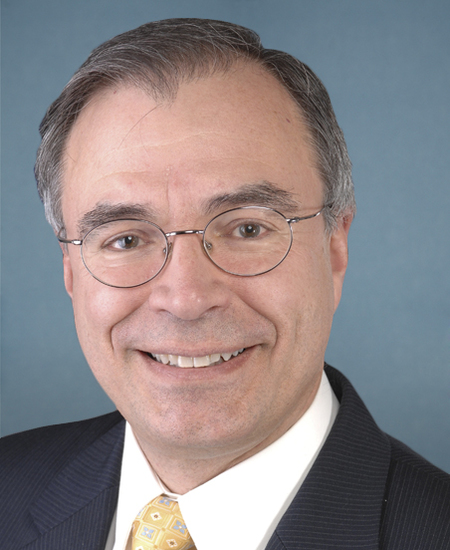
Rep. Andy Harris
Sponsored bills
Maddy summaryHR 259 prohibits using federal funds to advertise the Immigration Detention Ombudsman's office or functions through billboards or other public advertising. The bill amends the Homeland Security Act to prevent the Secretary from obligating or spending money on such advertisements. This directly affects the Ombudsman's ability to publicly promote their office using federal resources. The provision is strictly procedural, restricting how existing funds may be spent, not changing the Ombudsman's role or responsibilities.
Maddy summaryThis bill blocks federal funding for Planned Parenthood Federation of America and its clinics for one year unless they certify they won't perform abortions. Exceptions apply for pregnancies resulting from rape or incest, or when a woman's life is in danger due to a medical condition. The bill redirects the redirected funds to community health centers and other providers serving women's health needs, authorizing $235 million for this purpose. It explicitly states this will not reduce overall federal funding for women's health services. The policy change directly affects Planned Parenthood clinics receiving federal funds, requiring them to certify abortion restrictions or lose funding.
Maddy summaryHR 268, the STOP MADURO Act, increases the maximum reward for information leading to the arrest and conviction of Venezuela's President Nicolás Maduro Moros from $5 million to $100 million under the State Department's rewards program. The bill authorizes this reward using assets already frozen from Maduro and his regime under existing U.S. sanctions, including those from the Foreign Narcotics Kingpin Designation Act and multiple executive orders. It directly affects Maduro and his regime officials by offering a significantly larger financial incentive for their arrest. The key mechanism is redirecting funds from previously seized assets to fund the enhanced reward, with no new appropriations required. This is a procedural change to the rewards program, not a new sanction.
Maddy summaryHR 254, the American Science First Act, prohibits the National Science Foundation (NSF) from providing grants or funding to any entity affiliated with Chinese military-linked companies listed in U.S. government sanctions. It directly affects Chinese entities on specific federal lists, including those tied to military ownership or control, as defined by Export Administration Regulations and prior defense authorization acts. The bill’s key mechanism blocks NSF funding for research partnerships, joint ventures, or contracts involving these listed companies or their affiliates. This policy change restricts federal science funding access for targeted Chinese military-connected entities without altering broader NSF grant eligibility.
Maddy summaryThis bill requires federal employees who telework at least one day weekly (or 20% of their time under alternative schedules) to be paid at the "Rest of U.S." locality pay rate without future adjustments. It excludes employees who telework daily, those with disabilities receiving accommodations, Foreign Service members, law enforcement officers, and military personnel on active duty. Covered employees will no longer receive annual pay adjustments under standard federal pay schedules. The policy takes effect at the start of the first full fiscal year after the bill becomes law. It directly affects federal workers meeting the telework threshold, altering their pay structure based on location.
Maddy summaryHRES 15 rescinds three subpoenas issued by the January 6th Select Committee to Stephen Bannon, Mark Meadows, Daniel Scavino Jr., and Peter Navarro, and withdraws the House's prior recommendations that they be found in contempt of Congress. The bill directly affects these four individuals by removing the legal force of the subpoenas and the contempt findings. It accomplishes this by formally withdrawing specific House resolutions (H.Res. 730, H.Res. 1037, and H.Res. 851) that had been adopted. The resolution also directs the Speaker to notify the Department of Justice that the subpoenas are void.
Maddy summaryHR 24, the Federal Reserve Transparency Act of 2025, mandates a comprehensive audit of the Federal Reserve Board and Federal Reserve banks by the Government Accountability Office (GAO) within 12 months of enactment. The bill requires the GAO to submit a detailed report to Congress within 90 days of completing the audit, including findings, conclusions, and recommendations for legislative or administrative action. This audit replaces current limitations on reviewing Federal Reserve operations, particularly regarding entities like special purpose vehicles not previously subject to standard audits. The bill directly affects the Federal Reserve System by increasing congressional oversight of its financial activities and reporting mechanisms.
Maddy summaryHR 174 adds new grounds for inadmissibility and deportability related to specific fraud offenses. It targets non-citizens convicted of, or admitting to, Social Security fraud (using false account numbers/cards), identification document fraud, or fraud involving pandemic-era loans or grants (like those under the Small Business Act or American Rescue Plan). The bill amends immigration law to make such individuals ineligible for entry into the U.S. or subject to removal. It directly affects non-citizens who commit these defined offenses, not general fraud cases. The policy change is limited to these specific fraud categories tied to federal pandemic programs and Social Security/ID documents.
Maddy summaryThe FairTax Act of 2025 would repeal federal income tax, payroll taxes (Social Security and Medicare), and estate and gift taxes, replacing them with a national sales tax. It would impose a 23% tax on the final consumption of goods and services in 2027, with rates adjusting based on federal tax rates. The bill includes a monthly rebate for qualifying families based on the poverty level to offset the tax burden on lower-income households. It would establish a cooperative tax administration system between federal and state governments, with states collecting the tax under certain conditions. The tax would sunset if the 16th Amendment (which allows for income taxes) is not repealed within 7 years of enactment.