

Maddy summaryThis bill proposes changes to the Social Security system that would affect workers, retirees, and survivors. Starting in 2028, it requires individuals to pay Social Security taxes on a decreasing percentage of their earnings above the annual cap, eventually eliminating the tax on excess income by 2032. The legislation also adjusts how benefits are calculated by increasing the portion of high earnings that count toward future payments and creating a new index to track inflation specifically for elderly consumers. Additionally, it modifies benefits for widows and widowers in two-income households and ensures that Supplemental Security Income recipients are not penalized by changes to their Social Security benefits.
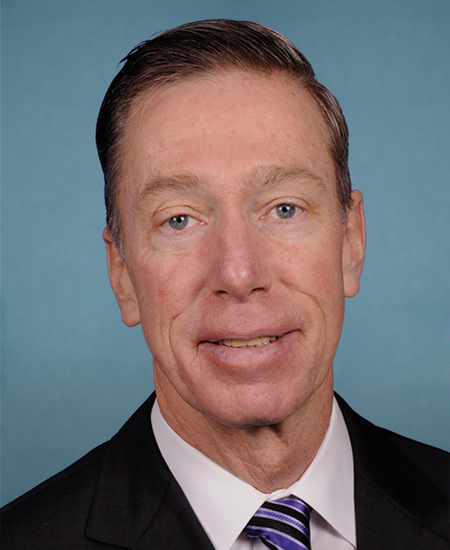
Rep. Stephen F. Lynch
Sponsored bills
Maddy summaryHR 5408, the Faster Labor Contracts Act, requires employers to begin negotiating a first contract with a newly certified union within 10 days of written request. If no agreement is reached within 90 days, the parties must seek mediation, and if unresolved after 30 days of mediation, the dispute moves to binding arbitration by a three-member panel. The arbitration decision, based on factors like employer finances, industry standards, and cost of living, becomes binding for two years. This bill directly affects newly certified unions and their employers during initial contract negotiations, aiming to reduce delays that currently average 465 days.
Maddy summaryThe No Toxic Chemicals in Food Packaging Act of 2026 prohibits the use of specific chemicals, including PFAS, certain phthalates, and bisphenols, in materials that come into contact with food. This law directly affects manufacturers and distributors of food packaging by requiring the FDA to consider potential health risks to vulnerable populations, such as children and pregnant women, when evaluating alternative substances. While the federal restrictions do not take effect for two years after enactment, the bill explicitly preserves the right of states and local governments to pass stricter regulations on food additives.
Maddy summaryThis resolution expresses support for designating June 5, 2026, as National Gun Violence Awareness Day and June 2026 as National Gun Violence Awareness Month. The bill calls on the public to wear orange on the designated day to honor victims and promote awareness of gun safety. It highlights statistics on gun-related deaths and injuries to underscore the need for community discussions on making neighborhoods safer.
Maddy summaryThis bill, known as the Closing the Digital Divide for Students Act of 2026, allows public housing utility allowances to cover high-speed internet service, equipment, and installation fees for families with children who qualify for free or reduced-price school lunches. The legislation sets the covered internet cost at the lowest monthly rate available in the area while explicitly permitting families to choose more expensive plans or bundled services if they prefer. Additionally, the bill requires internet service providers to offer a specific filtering technology that blocks visual content harmful to minors, ensuring a level of protection comparable to existing certified standards. These changes directly affect households living in public housing by expanding the types of living expenses that can be subsidized through their utility benefits.
Maddy summaryH.Con.Res. 107 is a non-binding resolution that formally recognizes the importance of reducing gun violence and strengthening public safety as the United States celebrates its 250th anniversary in 2026. The bill does not create new laws or change existing policies, but instead expresses Congress's commitment to these goals and honors the lives lost to gun violence. It acknowledges the efforts of community leaders, law enforcement, and advocates while calling for continued support of victim services and data collection initiatives.
Maddy summaryThis resolution expresses support for designating May 2026 as Mental Health Awareness Month to highlight the importance of mental well-being and reduce stigma. It does not create new laws or allocate funding but serves as a formal statement acknowledging the rising rates of mental illness, suicide, and disparities in care across the United States. The text cites various statistics regarding anxiety, depression, and access to treatment to underscore the need for public awareness and continued efforts by medical and community organizations. Ultimately, the bill encourages citizens and institutions to use this month to promote mental health resources and support for individuals and families affected by mental illness.
Maddy summaryThis bill, known as the Arlington National Cemetery Viewshed Protection Act, restricts the construction of large triumphal arches in the Washington, D.C. area to preserve visual sightlines. It specifically bans the building of any such arches within Lady Bird Johnson Park and prohibits the use of federal funds for these structures there. Additionally, the law prevents the erection of triumphal arches taller than 50 feet on any land managed by the National Park Service unless Congress explicitly approves them. These measures aim to limit new monumental structures that could obstruct views of the Arlington National Cemetery from the capital region.
Maddy summaryThe Minority Fellowship Program Reauthorization Act of 2026 extends federal funding for the Minority Fellowship Program through fiscal year 2032. This legislation directly supports the National Institutes of Health by allocating $27 million annually to the program for each of the five covered years. The bill amends existing laws to ensure continued financial resources for initiatives that train and support minority health professionals. By reauthorizing these funds, the act maintains the program's ability to operate without interruption during the specified period.
Maddy summaryThis bill directs the Secretary of Defense to study whether the military justice system needs a specific law against hazing. The Department must examine how to add a new section to the Uniform Code of Military Justice and create a clear definition for what counts as hazing. Within 180 days of passing, the Secretary must submit a report with their findings and recommendations to Congress. This action directly impacts the Department of Defense and the legislative committees overseeing military affairs.