Maddy summaryThis bill designates the U.S. Postal Service facility at 340 South Loudon Avenue in Baltimore, Maryland, as the "United States Representative Elijah E. Cummings Post Office Building." It updates all federal references in laws, documents, and records to reflect this new name. The bill honors former U.S. Representative Elijah E. Cummings (D-MD), who served from 2007 until his passing in 2019, and became law on January 4, 2025.
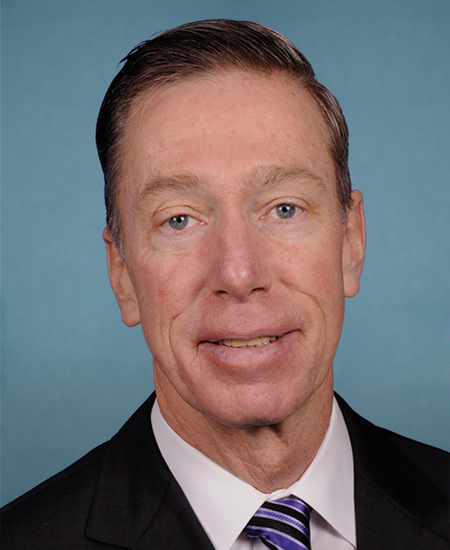
Rep. Stephen F. Lynch
Sponsored bills
Washington, D.C. Admission Act This bill provides for the establishment of the State of Washington, Douglass Commonwealth, and its admission into the United States. The state is composed of most of the territory of the District of Columbia (DC), excluding a specified area that encompasses the U.S. Capitol, the White House, the U.S. Supreme Court building, federal monuments, and federal office buildings adjacent to the National Mall and the U.S. Capitol. The excluded territory shall be known as the Capital and serve as the seat of the government of the United States, as provided for in Article I of the Constitution. The state may not impose taxes on federal property except as Congress permits. The bill provides for the DC Mayor to issue a proclamation for the first elections to Congress of two Senators and one Representative of the state. The bill eliminates the office of Delegate to the House of Representatives. The bill applies current DC laws to the state. DC judicial proceedings and contractual obligations shall continue under the state’s authority. The bill also provides for specified federal obligations to transfer to the state upon its certification that it has funds and laws in place to assume the obligations. These include maintaining a retirement fund for judges and operating public defender services. The bill establishes a commission that is generally comprised of members who are appointed by DC and federal government officials to advise on an orderly transition to statehood.

Maddy summaryThe Treat and Reduce Obesity Act of 2023 expands Medicare coverage for obesity treatment by allowing a wider range of healthcare providers - including nurse practitioners, dietitians, psychologists, and community-based counseling programs - to deliver intensive behavioral therapy for obesity, provided they coordinate with primary care providers. It also adds Medicare Part D coverage for medications used to treat obesity or for weight loss management in overweight individuals with related health conditions like diabetes or high blood pressure. These changes directly affect Medicare beneficiaries, particularly older adults (65+), who face higher obesity rates and associated costs, including $50 billion annually in Medicare spending for obesity-related care. The bill requires annual reports to Congress on implementation to improve coordination of obesity care across federal health programs.
Maddy summaryThis bill, HR 1097 (Everett Alvarez, Jr. Congressional Gold Medal Act of 2023), authorizes the award of a Congressional Gold Medal to Everett Alvarez, Jr., in recognition of his service as a U.S. Navy pilot and Vietnam War prisoner of war. It directly honors Alvarez, who was the first U.S. pilot shot down in the Vietnam War, spent over 8.5 years in captivity, and later served in the Peace Corps and Veterans Administration. The bill’s key mechanism is directing the U.S. Mint to strike a gold medal bearing his name and image, with bronze duplicates available for sale to cover costs. It does not create new policies or affect any group beyond the honoree.
Maddy summaryThis bill creates a new federal grant program to expand STEM education opportunities for girls and underrepresented minorities in K-12 schools. Qualified local educational agencies (those serving schools with at least 40% of students eligible for free/reduced lunch) can apply for up to $250,000 annually per school year to fund specific activities like mentorship programs, teacher training on addressing bias, summer STEM camps, parent engagement, and field trips to STEM workplaces. The program is authorized for $10 million yearly from 2025-2028, requiring grantees to supplement existing funding and submit annual evaluations tracking student engagement and academic progress in STEM. It directly affects schools serving underrepresented student populations by providing targeted resources to increase their participation in STEM fields.
Maddy summaryHRES 1618 is a non-binding resolution designating November 20-December 20, 2024, as "National Survivors of Homicide Victims Awareness Month." It expresses support for raising awareness about survivors of homicide victims and encourages communities to provide them with support services and resources. The resolution calls for promoting survivor-centered initiatives, addressing trauma through behavioral health services, and fostering community engagement to honor victims and support families affected by homicide.
Maddy summaryThe Steel Modernization Act of 2024 provides financial assistance and tax credits to U.S. steel manufacturers adopting technologies that reduce greenhouse gas emissions from steel production. It requires recipients to produce "near-zero emissions intensity steel" by 2035, report emissions data, and implement community benefits plans that address local environmental and economic concerns. The bill also imposes a tariff on imported steel based on its emissions intensity, with revenues funding clean energy programs and administrative costs. This affects steel manufacturers, workers, and communities near steel facilities by promoting cleaner production while supporting domestic steel industry competitiveness.
Maddy summaryThe Pharmacists Fight Back Act (HR 9096) sets new rules for Pharmacy Benefits Managers (PBMs) working with federal health care programs like Medicare Part D and Medicaid. It requires PBMs to reimburse in-network pharmacies at a rate covering the drug's actual cost plus a small fee (capped at $25), and to reduce patient cost-sharing by at least 80% of rebates received from drug manufacturers. The bill bans PBMs from steering patients to specific pharmacies, charging patients more than pharmacies are paid, or using rebates to lower pharmacy payments after claims are processed. It also mandates public reporting of drug pricing data to improve transparency, ensuring patients and pharmacies receive fairer treatment under federal health programs.
Maddy summaryThis bill requires Medicare Advantage plans to implement electronic prior authorization systems by 2027 and publish detailed data on their approval and denial rates for medical services by 2026. It directly affects Medicare Advantage plans (private insurers offering Medicare coverage) and their enrollees (seniors 65+), mandating transparency about prior authorization decisions, processing times, and appeal outcomes. Key provisions include requiring plans to report annual statistics on request approvals/denials, average processing times, and use of technology, with this data published publicly by the Centers for Medicare & Medicaid Services. The bill also sets timelines for plan responses to prior authorization requests and mandates reports to Congress on implementation and impacts.
Maddy summaryThe Telehealth Modernization Act of 2024 extends Medicare's temporary telehealth coverage rules permanently, removing the previous 2024 expiration date. It expands who can provide telehealth services by allowing more healthcare professionals (like certain nurse practitioners) to bill Medicare for these services, and ensures Federally Qualified Health Centers and Rural Health Clinics can continue billing for telehealth under existing payment rules after 2024. The bill also explicitly permits audio-only telehealth calls for Medicare coverage and allows telehealth for hospice face-to-face visits and home dialysis assessments as clinically appropriate, without time limits. These changes directly affect Medicare beneficiaries, healthcare providers, and community health centers offering telehealth services.