

Maddy summaryHCONRES 42 is a symbolic congressional resolution recognizing the persistent wage gap between Black women and White, non-Hispanic men in the U.S. It highlights that Black women earn 66 cents for every dollar earned by White, non-Hispanic men working full-time year-round, with the gap taking over 200 years to close at current rates. The resolution emphasizes how this disparity - rooted in both racial and gender discrimination - impacts Black women’s ability to afford essentials like education, childcare, and housing. It does not create new laws or policies but formally acknowledges the issue on Black Women’s Equal Pay Day (July 10, 2025) and reaffirms support for equal pay.
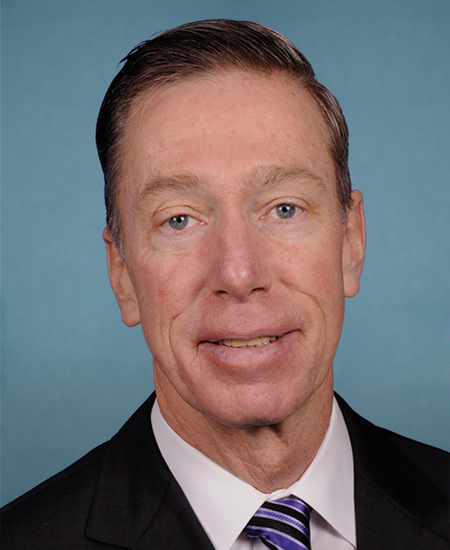
Rep. Stephen F. Lynch
Sponsored bills
Maddy summaryHRES 575 is a symbolic resolution designating July 10th as "Journeyman Lineworkers Recognition Day." It honors lineworkers who face significant risks daily - working at heights near live wires and responding to disasters like hurricanes and wildfires. The resolution specifically references Henry Miller, an early leader of the International Brotherhood of Electrical Workers, who died on July 10, 1896, while troubleshooting an outage. It encourages the public to recognize these workers' contributions but does not create new laws or allocate funding.
Maddy summaryThe Head Start for Our Future Act amends Section 441(c)(1) of the Higher Education Act of 1965 to replace "literacy training" with "child development and early learning (including Head Start programs and Early Head Start programs carried out under the Head Start Act), literacy training." This technical change formally integrates Head Start and Early Head Start programs into the federal definition of early learning initiatives under the Higher Education Act, while maintaining a separate reference to literacy training. The bill directly affects how federal grants for early childhood education are categorized and administered under the Higher Education Act. It does not alter funding levels, program requirements, or operations but updates administrative terminology to explicitly include Head Start services.
Maddy summaryThis bill prohibits federal agency personnel from using physical force, detaining, or interfering with Members of Congress while they conduct official oversight activities on federal property. It requires Members to identify themselves with valid congressional ID and confirms the law does not override standard security procedures or prevent action against immediate physical threats. The bill specifically protects oversight activities like investigations, reviews of federal programs, or site visits at government-owned or leased facilities (including detention centers), ensuring Congress can carry out its constitutional oversight role without physical obstruction.
Maddy summaryThe Wild Horse and Burro Protection Act of 2025 requires the Bureau of Land Management (BLM) to eliminate helicopter and fixed-wing aircraft use in rounding up wild horses and burros over a two-year phase-out period. It mandates that any remaining aircraft used for these operations must have cameras recording the process, with footage made public in BLM reports. The bill addresses findings that helicopter roundups cost taxpayers over $69.5 million since 2012 and that the BLM spends less than 1% of its budget on fertility controls - a more humane, cost-effective alternative. The legislation also directs the Government Accountability Office to report on humane alternatives, job opportunities, and aircraft impacts on horse populations within one year of enactment.
Maddy summaryThis bill requires online contact lens sellers to provide a secure electronic method for customers to transmit their contact lens prescriptions, directly affecting online retailers. It mandates that such electronic transmissions comply with HIPAA privacy rules and that any protected health information sent via email must be encrypted. The law updates existing rules to modernize prescription verification for online sales while maintaining privacy protections.
Maddy summaryThe Expanding Access to Mental Health Services in Schools Act of 2025 creates a federal grant program to help high-need schools hire and retain mental health professionals like counselors, psychologists, and social workers. It targets schools in the top 15% of need (based on student poverty or counts) that lack required staff ratios, such as one counselor per 250 students. Grants fund recruitment incentives (e.g., student loan repayment), retention programs, and evidence-based mental health services, with recipients required to contribute 25% of costs from non-federal funds. Schools must report annually on staff numbers, student-to-staff ratios, and retention rates to track progress toward improved mental health access.
Maddy summaryThis bill expands the requirement for federal firearm licensees (FFLs) to report multiple firearm sales. It modifies existing law to require reporting on all firearms, not just handguns (pistols or revolvers), when a single transaction involves two or more firearms. This change directly affects FFLs who sell multiple firearms at once, such as in dealer-to-dealer transfers or large retail sales. The key mechanism is updating the legal definition in the statute to include every type of firearm, streamlining the reporting process under current federal law.
Maddy summaryHRES 550 is a non-binding House resolution recognizing June 2025 as LGBTQIA+ Pride Month. It formally encourages all U.S. citizens to celebrate Pride Month to learn about LGBTQIA+ history, including the Stonewall Inn and Compton's Cafeteria uprisings. The resolution affirms that LGBTQIA+ rights are human rights and emphasizes the ongoing struggle for equality. It has no legal effect but serves as a symbolic statement of support for the LGBTQIA+ community and its history.
Maddy summaryHR 4244 prohibits Medicaid from covering conversion therapy, defined as any paid practice attempting to change a person's sexual orientation or gender identity. This applies to all Medicaid enrollees and providers starting in the first quarter after the law takes effect. The bill explicitly excludes supportive services like gender transition assistance or counseling focused on acceptance and coping. It directly affects Medicaid-funded healthcare providers who offer conversion therapy and enrollees who might otherwise access such services through Medicaid.