

Maddy summaryHR 7480, the FAIR Act, sets pay adjustments for federal employees in 2027. It increases base pay by 3.1% for most federal workers under standard pay systems and for employees paid according to local civilian wages in high-cost areas. Additionally, it raises locality pay adjustments by 1% for 2027. The bill directly affects all federal employees covered by these pay systems through concrete, formula-based adjustments.
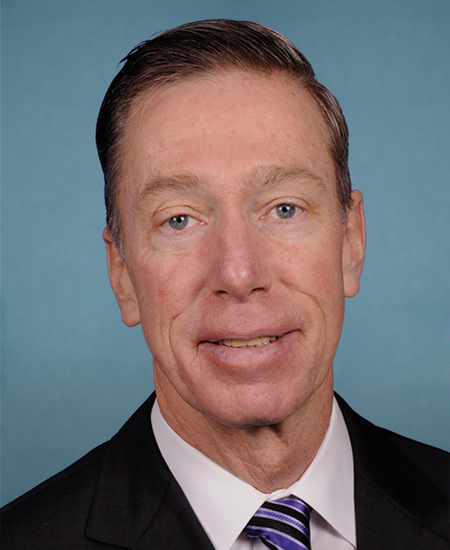
Rep. Stephen F. Lynch
Sponsored bills
Maddy summaryHR 7391, the Community Health Center Drug Pricing Protection Act, requires that Federally Qualified Health Centers (FQHCs) pay the discounted 340B ceiling price for covered drugs **at the time of purchase**, not later through rebates or adjustments. This directly affects FQHCs, which rely on 340B discounts to provide affordable care to low-income patients. The bill amends the Public Health Service Act to prohibit manufacturers from entering agreements where FQHCs initially pay more than the ceiling price, with later reimbursement. It takes effect immediately upon enactment for all new drug purchases and applies to existing agreements starting then.
Maddy summaryHR 7347, the *Stop Inhumane Conditions in ICE Detention Act of 2026*, requires all facilities detaining noncitizens under U.S. immigration law - including contracted facilities - to implement real-time health reporting systems for medical, dental, and mental health conditions. It mandates anonymous, multilingual complaint systems for detainees with anti-retaliation protections, annual DHS audits of health conditions (including gender-specific care), and full-time health liaisons at each facility. The bill triggers contract reviews for facilities with three verified health complaints and requires quarterly public reports on conditions and complaints to Congress. These provisions directly affect ICE detention facilities, detainees, and DHS oversight processes, focusing on transparency and accountability in health care.
Maddy summaryHRES 1038 is a non-binding House resolution expressing the sense of Congress that the U.S. must reaffirm its commitment to the Fourteenth Amendment’s guarantees of birthright citizenship, due process, and equal protection under the law. It calls on all federal branches to defend these rights against actions that threaten them, such as policies undermining birthright citizenship or restricting voting access. The resolution specifically urges Congress to oppose legislation or executive actions that weaken these constitutional protections and to work toward full equal protection for all people. As a symbolic resolution, it does not create new law or impose legal requirements but emphasizes the importance of upholding these constitutional principles for democratic fairness.
Maddy summaryHRES 1035 is a non-binding House resolution condemning recent and proposed workforce reductions at FEMA, which the resolution states endanger the agency's ability to prepare for, respond to, and recover from disasters. It specifically cites a 35% staffing shortage at FEMA (per GAO) and notes that over 2,000 permanent staff left FEMA in 2025, weakening disaster response during events like Hurricanes Helene and California wildfires. The resolution expresses concern that staffing cuts would delay aid, reduce assistance to vulnerable communities (including rural, coastal, and wildfire-prone areas), and undermine counterterrorism programs supporting first responders. It calls for a stable, adequately resourced FEMA workforce to ensure effective disaster management, without proposing new legislation or policy changes.
Maddy summaryHR 7385 establishes a federal grant program to expand access to HIV prevention through PrEP (pre-exposure prophylaxis) for uninsured individuals at high risk of HIV infection. The bill authorizes $400 million annually (2027-2031) to fund grants for eligible entities like clinics, community organizations, and tribal governments to cover PrEP-related costs - including medication, testing, counseling, and transportation - without requiring patient payment. Priority is given to programs serving rural areas, uninsured populations, or high-risk demographic groups, with grantees required to contribute 10% of program costs (except for certain health centers). The program also mandates a "PrEP Pass" card system to streamline access and requires annual reports tracking usage by race, gender, age, and location to measure impact on HIV prevention disparities.
Maddy summaryHR 7345 directs the Congressional Budget Office (CBO) to study the long-term economic effects of immigration policies implemented beginning January 20, 2025. The CBO must assess impacts across specific sectors (like healthcare, agriculture, STEM fields), public safety concerns, demographic shifts, small business effects, and tax revenue at federal, state, and local levels. Federal agencies - including Homeland Security, the Bureau of Labor Statistics, and the IRS - must provide requested data to support this study. The report must be completed within 180 days of the bill’s enactment or by the end of the current congressional session, whichever comes first. This is a procedural study bill, not a policy change.
Maddy summaryHR 7346, the Drain ICE Act of 2026, repeals specific funding provisions (sections 90003 and 100052) from the "One Big Beautiful Bill Act" and cancels all unspent funds allocated under those sections. This bill directly affects ICE’s detention budget by removing existing financial authority for detention operations. It does not change immigration enforcement practices or directly impact individuals; it solely modifies budgetary allocations. The bill focuses on eliminating funding mechanisms, not on policy changes for migrants or enforcement. (Procedural bill; summary limited to 2 sentences as specified.)
Maddy summaryHR 7335 establishes comprehensive humanitarian standards for individuals held in U.S. Immigration and Customs Enforcement (ICE) and U.S. Customs and Border Protection (CBP) custody. The bill requires facilities to provide immediate health screenings within 12 hours (6 hours for high-risk individuals like children, pregnant people, or those with medical conditions), ensure access to adequate water, sanitation, food (with 2,000+ calories daily for adults), and age-appropriate shelter. It mandates specific facility standards including separate housing for males and females, accessible accommodations for people with disabilities, daily outdoor access for those detained over 48 hours, and proper medical equipment and personnel on-site. The bill also requires regular inspections, staff training on humanitarian protocols, and public reporting of sexual abuse complaints. These standards directly affect all individuals detained by ICE or CBP, with special protections for vulnerable groups like children, pregnant people, and those with medical needs.
Maddy summaryHR 7265, the Vote by Mail Tracking Act, requires all government entities sending mail-in ballots for federal elections to use a standardized Postal Service barcode on ballot envelopes. This barcode enables tracking of each individual ballot, while also mandating specific envelope designs and machineability standards set by the Postal Service. The bill applies to all mail-in ballots for federal office elections starting in 2026, but excludes Federal write-in absentee ballots under the Uniformed and Overseas Citizens Absentee Voting Act. The Postmaster General must provide compliance guidance to government entities by June each year to implement the tracking system.