

Maddy summaryThis bill creates a new Subcommittee on Emerging Technology within the Defense Production Act Committee to study how advanced technologies impact national defense. The subcommittee will analyze artificial intelligence, biotechnology, quantum computing, and other specified fields to identify ways they can improve efficiency, encourage innovation, and address supply chain gaps. Additionally, the bill requires the subcommittee to submit a report to Congress within 18 months evaluating the feasibility of creating a strategic reserve for critical biomanufacturing materials needed for national defense. The legislation also updates meeting requirements for the Defense Production Act Committee and corrects a citation error in the original Defense Production Act.
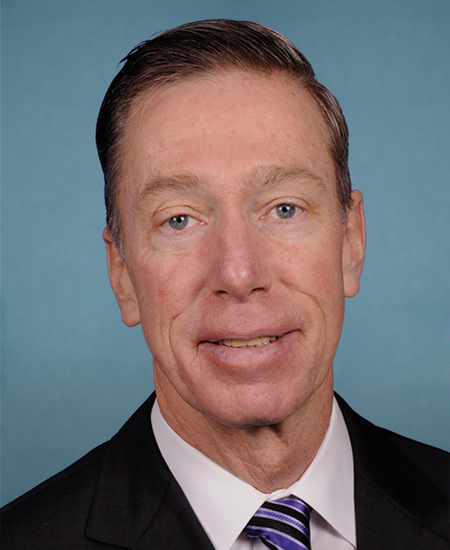
Rep. Stephen F. Lynch
Sponsored bills
Extending WIC for New Moms Act This bill amends the Special Supplemental Nutrition Program for Women, Infants, and Children (WIC) to extend the eligibility periods for breastfeeding and postpartum women. Specifically, a state program may elect to certify a breastfeeding woman for up to 24 months (currently 1 year) postpartum. The bill also expands the eligibility period for postpartum women to up to 24 months after termination of pregnancy (currently 6 months). The Department of Agriculture must submit a report to Congress evaluating the effect of these changes to the program on (1) maternal and infant health outcomes, (2) breastfeeding rates, and (3) qualitative evaluations of family experiences under WIC.
Maddy summaryHRES 1007 is a non-binding resolution expressing the House of Representatives' view on artificial intelligence (AI) in financial services and housing. It highlights AI's current uses - like mortgage underwriting, fraud detection, and compliance - and identifies concerns including risks of algorithmic bias, challenges for small financial institutions, and cybersecurity vulnerabilities. The resolution directs the House Financial Services Committee to lead policy discussions, ensure anti-discrimination laws apply to AI, support smaller institutions, and promote innovation while safeguarding consumers. It does not create new laws but urges oversight and regulatory coordination to address AI's evolving role in these sectors.
Maddy summaryThe Energy Bills Relief Act aims to lower household energy costs and accelerate the development of low-cost, clean energy by modifying federal tax credits, expanding weatherization programs, and streamlining permitting processes. Key provisions include restoring tax incentives for renewable energy projects, increasing funding for low-income heating assistance, and requiring federal agencies to treat wind, solar, and storage projects with the same procedural fairness as oil and gas projects. The bill also establishes new incentives for upgrading the electricity grid, such as tax credits for transmission lines and grants for wildfire prevention measures, while creating mechanisms to ensure utilities serve public interests and protect consumers from price volatility.
Governing Unaccredited Representatives Defrauding VA Benefits Act or the GUARD VA Benefits Act This bill imposes fines on individuals for soliciting, contracting for, charging, or receiving any unauthorized fee or compensation with respect to the preparation, presentation, or prosecution of any claim for Department of Veterans Affairs benefits. The attempted commission of such offenses is also punishable by fine.
Maddy summaryThis bill, known as the Fair Wages for Home Care Workers Act, would change federal labor rules to require overtime pay and minimum wage protections for certain babysitters. It specifically targets casual babysitting work that is irregular or intermittent, while excluding trained medical professionals like nurses and home health aides from these changes. The law would also allow babysitters to perform up to 20% of their work time on unrelated household tasks without losing their protected status. These amendments would apply to workers covered by the Fair Labor Standards Act of 1938 who provide custodial care for infants or children in private homes.
Maddy summaryThis bill reorganizes the Corporation for National and Community Service into a new executive department called the AmeriCorps Administration, which would oversee national service programs. It creates a seven-member Advisory Board with representatives from different age groups and political parties to advise on program policies and priorities. The legislation increases financial support for participants by raising living allowances and educational awards, while also establishing a new National Service Foundation to accept private donations for the programs. Additionally, the bill sets a goal of serving 1 million participants annually by 2036 and creates an outreach program to notify young people aged 17-30 about service opportunities.
Maddy summaryThis bill, known as the Diabetes Foot Health Access and Modernization Act of 2026, makes two main changes to federal healthcare programs. First, it allows Medicaid to cover foot and ankle care services provided by podiatric physicians, ensuring patients have access to this specialized care. Second, it updates Medicare rules to clarify documentation requirements for diabetic shoes, specifying conditions under which patients can receive extra-depth or custom-molded footwear. The changes take effect on January 1, 2026, for Medicaid services and January 1, 2028, for Medicare shoe coverage.
Maddy summaryThis bill, titled the Take Back Our Hospitals Act of 2026, would prohibit Medicare from paying hospitals or skilled nursing facilities owned or controlled by private equity funds, real estate investment trusts, or corporations owned by those funds. The law defines control as owning 10 percent or more of voting securities or having the power to direct management and policies through contracts or other means. Facilities currently owned by these firms would have a three-year transition period before the prohibition takes full effect. The bill also establishes joint and several liability, meaning the owning firm would be responsible for any penalties if the facility violates the rule, and provides for notice, hearings, and judicial review for affected facilities.
This concurrent resolution directs the President to terminate the use of U.S. Armed Forces from hostilities against Iran or any part of the Iranian government or military unless a declaration of war or authorization to use military force for such purpose has been enacted. The resolution specifies that it shall not be construed to prevent the United States from defending itself from imminent attack.