

Maddy summaryHRES 490 is a symbolic resolution expressing support for designating the second Saturday in June as "Veterans Get Outside Day." It does not create new laws or funding but encourages coordination between the Department of Veterans Affairs, the Forest Service, and the Department of the Interior to promote outdoor events for veterans. The resolution cites research showing nature exposure can improve mental health outcomes for veterans dealing with conditions like PTSD, depression, and traumatic brain injury. It aligns with existing initiatives like National Get Outdoors Day and aims to increase veteran access to outdoor activities. This is a procedural resolution with no direct legal effect on veterans or agencies.
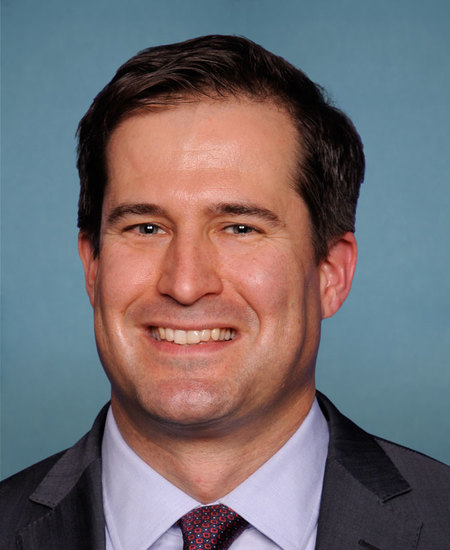
Rep. Seth Moulton
Sponsored bills
Maddy summaryHRES 491, the "NO STOCK Resolution," would amend House rules to prohibit Members of Congress from owning stocks in individual companies. This rule change would require current House members (including Delegates and Resident Commissioners) to sell any existing holdings of company shares and ban future ownership of such stocks. The provision specifically targets common stock in specific public corporations, not broader investments like mutual funds or retirement accounts. If adopted, this would be a procedural change to the House's Code of Conduct, directly affecting all current and future House members' financial investments.
Maddy summaryHRES 483 is a House resolution recognizing the 250th anniversary of the U.S. Army's founding on June 14, 1775. It expresses appreciation for the Army's service over 250 years, honors soldiers' valor and core values, and calls for public observance through ceremonies and activities. The resolution has no policy impact or funding provisions - it is purely commemorative. It was introduced by 30 bipartisan House members and referred to the Armed Services Committee.
Maddy summaryThe TRACE Act requires all new firearms manufactured in the U.S. to include a second, hidden serial number (inside the receiver or visible only under infrared light) within 12 months of enactment. It extends the retention period for background check records from 24 hours to 180 days and mandates that licensed firearm dealers conduct regular physical inventory checks of their stock. The bill also removes longstanding funding restrictions in federal appropriations laws that previously prohibited using funds to implement these measures. These changes directly affect firearm manufacturers, licensed dealers, and the Bureau of Alcohol, Tobacco, Firearms and Explosives (ATF), which must issue implementing regulations within 180 days.
Maddy summaryHR 3757, the Pride In Mental Health Act of 2025, provides $20 million annually (2026-2030) to fund grants for mental health services targeting LGBTQ+ youth, including nonbinary, intersex, and Two Spirit youth, and their families/caregivers. The bill mandates grantees to provide trauma-informed care, cultural competency training, school bullying prevention guidelines, and evidence-based practices while explicitly prohibiting the use of funds for conversion therapy or its promotion. It also requires the federal government to restore mental health reports on LGBTQ+ youth, conduct a national survey measuring mental health distress, and produce a report on mental health services for LGBTQ+ youth in foster care. The law directly affects these youth populations by expanding access to tailored mental health resources and data collection, with funding administered through the Substance Abuse and Mental Health Administration.
Maddy summaryHR 3708, the "No Place for LGBTQ+ Hate Act," repeals five specific executive orders targeting LGBTQ+ rights and blocks federal funding for their implementation. It directly affects transgender, nonbinary, intersex, and gender-nonconforming individuals by reversing policies that: mandated discrimination in employment/healthcare (EO 14168), reinstated a military ban (EO 14183), restricted transgender youth healthcare (EO 14187), barred transgender female students from sports (EO 14201), and required schools to deny transgender existence (EO 14190). The bill’s key mechanism prohibits federal funds from being used to enforce these orders, effectively nullifying them. This is a procedural repeal bill focused on reversing specific executive actions, not creating new laws.
Maddy summaryHRES 473 is a non-binding House resolution calling on the U.S. government to urgently use diplomatic efforts to ensure food and medical supplies reach civilians in Gaza. It directly addresses the needs of approximately 2.2 million Palestinians facing acute hunger, including 10,000 children identified with acute malnutrition, following a border blockade that blocked aid from March to May 2025. The resolution specifically urges the White House and State Department to secure "immediate and secure delivery and disbursement" of aid and a lasting end to the conflict, citing collapsed bakeries, exhausted food rations, and a near-total health system collapse.
Maddy summaryHRES 470 is a non-binding House resolution commemorating the events of June 4, 1989, in Beijing and condemning the Chinese government's ongoing human rights practices. It expresses support for victims' families, calls for an independent UN investigation into the 1989 events, and urges China to cease censorship, uphold Hong Kong's autonomy under the Joint Declaration, and allow peaceful remembrance of the anniversary. The resolution has no legal force but serves as a symbolic expression of congressional concern regarding human rights in China and Hong Kong.
Maddy summaryThe Family Vaccine Protection Act makes the Advisory Committee on Immunization Practices (ACIP) an official part of federal law, requiring it to provide vaccine recommendations based on strong scientific evidence. It mandates that the CDC Director must adopt ACIP's recommendations unless they don't meet the evidence standard, and if not adopted, the CDC must explain its decision and notify Congress within 48 hours. The bill establishes procedures for ACIP to review new vaccines within 90 days of licensure and to consider breakthrough therapies or public health emergencies. This act aims to strengthen transparency and evidence-based decision-making in vaccine recommendations for the public health system. It affects the CDC, ACIP, and Congress through formalized processes for vaccine policy development.
Maddy summaryThis bill repeals key provisions of the Protection of Lawful Commerce in Arms Act (PLCAA), which previously shielded gun manufacturers and dealers from civil lawsuits. It allows gun trace data from the federal Firearms Trace System to be used as evidence in civil court cases involving gun violence. Victims of gun violence (or their families) who sue gun manufacturers, dealers, or distributors in state or federal court can now access and rely on this trace information. The bill directly changes the legal landscape by removing a major barrier to holding gun industry entities accountable in civil cases. It does not alter criminal proceedings or affect gun ownership rights.