

Maddy summaryThis bill provides permanent residency (green card) status to Maria Merida de Macario by waiving standard immigration requirements. It allows her to adjust her status to lawful permanent resident without meeting typical eligibility rules, removes past grounds for removal or denial, and requires her to file an application within two years of the bill's enactment. The bill does not affect other immigrants or create new policy; it is a single-person exception to existing immigration law.
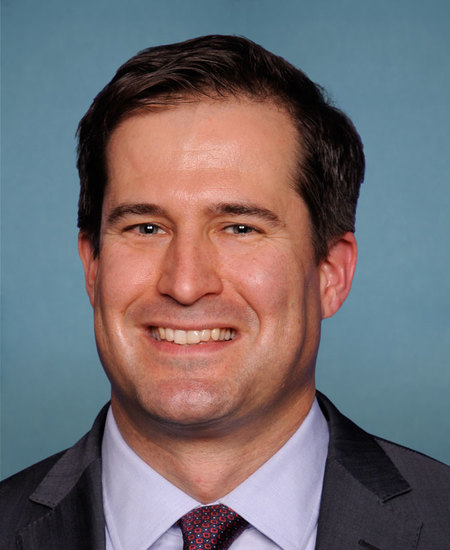
Rep. Seth Moulton
Sponsored bills
Maddy summaryThis bill amends an existing law to require the Comptroller General to review the Department of Veterans Affairs' medical care budget requests for fiscal years 2026, 2027, and 2028. It mandates that the Comptroller General examine the President's budget submissions for VA medical care accounts (including Medical Services, Support, Facilities, and Community Care) and report the findings to relevant congressional committees. The bill does not change healthcare services or access but establishes a specific review process to increase transparency in how the VA budgets its medical care spending. This procedural requirement directly affects the VA's budget submission process and congressional oversight committees.
Maddy summaryHR 6011, the VA Work-Study Improvement Act, expands opportunities for veterans and military members participating in the VA's work-study program. It allows them to work on activities with state/local governments or nonprofits that benefit veterans (e.g., community service or job training), and sets a new wage standard requiring payments to be the highest of federal employee rates, state minimum wage, or local minimum wage. The bill also requires electronic tracking of work hours and annual public reporting on program participation, including demographics, wages, hours worked, and participating schools. These changes apply to work-study payments made on or after January 1, 2028.
Maddy summaryThe FARE Act prevents the Federal Aviation Administration (FAA) from restricting commercial flights during a government shutdown unless it also restricts all private flights in the same area. Private flights for emergencies, medical needs, government work, military/diplomatic missions, agriculture, scientific research, or disaster relief can still operate. The law requires equal treatment of commercial and private flights during funding gaps, with enforcement through existing FAA penalties. It directly affects commercial airlines and private flight operators by mandating consistent restrictions during shutdowns.
Maddy summaryHRES 864 is a ceremonial resolution honoring U.S. veterans on Veterans Day 2025. It does not create new laws or policies but formally recognizes veterans' service and sacrifice, calling on all Americans to observe Veterans Day. The resolution references historical context about Veterans Day's origins (from Armistice Day to honoring all veterans) but contains no concrete policy changes. It directly addresses the general public, urging them to participate in the observance. As a non-binding resolution, it affects no specific individuals or groups through legislative action.
Maddy summaryThe CORRUPT Act (HR 5988) amends the Federal Tort Claims Act to create an exception for claims brought by the President of the United States or their spouse, child, sibling, or in-law during the President's term in office. This means the government would not be subject to standard tort claims procedures if the President or a covered relative sues for damages. The bill directly affects the President and immediate family members by removing a legal avenue to seek compensation from the federal government for torts. The key mechanism is adding a new exception to the Federal Tort Claims Act, specifically shielding these individuals from the usual legal process for suing the government.
Maddy summaryHR 5965, the Student Veteran Work Study Modernization Act, expands work-study eligibility for veterans pursuing education or rehabilitation programs at least half-time (instead of the current three-quarter-time requirement). The bill creates a 5-year pilot program allowing veterans to receive a work-study allowance from the VA while studying part-time, directly affecting veterans enrolled in qualifying programs. It requires the VA to submit annual reports tracking participation rates, four-year degree attainment, and full-time VA employment outcomes for participants. The law modernizes existing VA work-study rules without altering benefit amounts or creating new funding streams.
Maddy summaryThis bill ensures continuous funding for SNAP (food assistance) and WIC (nutrition program for mothers/children) during government funding gaps. It authorizes emergency Treasury funds to cover SNAP/WIC benefits and reimburse states for costs if Congress fails to pass regular appropriations for the Department of Agriculture by September 30, 2025. The funding covers missed payments retroactively from September 30, 2025, through the bill’s enactment date, and continues until either regular appropriations pass or September 30, 2026. It directly affects low-income households relying on these programs and state agencies administering them during funding lapses.
Maddy summaryThis bill, HR 5973, requires federal immigration enforcement personnel to follow strict limits on force use, including proportional application, mandatory de-escalation efforts, and prohibitions on equipment like flash bangs or rubber bullets except for specific public safety threats. It mandates body-worn and vehicle cameras for all operations, with footage retained for one year (three years for force incidents or complaints), and grants affected individuals the right to inspect recordings. The law also requires annual training on force policies, First Amendment compliance, and racial bias avoidance, while demanding detailed quarterly reports to Congress on force usage, assaults on agents, and equipment approvals. These provisions directly affect all federal immigration agents conducting enforcement actions, aiming to increase transparency and accountability during operations.
Maddy summaryHR 5951, the No Nuclear Testing Without Approval Act, requires the U.S. President to obtain Congressional approval before conducting any explosive nuclear testing. It applies directly to the executive branch and Congress, mandating a 180-day notice period and detailed justification for testing - either in response to foreign nuclear activity or due to a "technical need" (e.g., safety, reliability, or performance issues with nuclear weapons). Congress must pass a joint resolution approving the testing, requiring a two-thirds vote in the Senate for both scenarios. The bill does not ban testing but changes the process to ensure legislative oversight, with specific timelines and procedural rules for congressional consideration.