

Maddy summaryThis bill requires U.S. Immigration and Customs Enforcement to limit the use of short-term holding facilities to a maximum of 12 hours for detainees, unless specific exceptional circumstances like medical emergencies or natural disasters occur. To enforce this rule, the Department of Homeland Security must ensure facilities remain safe and provide meals every six hours, along with constant access to water and appropriate food for vulnerable individuals such as minors and pregnant women. The legislation also mandates that officials document any instances where a detainee is held longer than 12 hours and submit annual reports to Congress detailing the number of such cases, their duration, and the reasons given for the extended custody. Additionally, the Department's Inspector General will conduct periodic audits to verify compliance with these new standards.
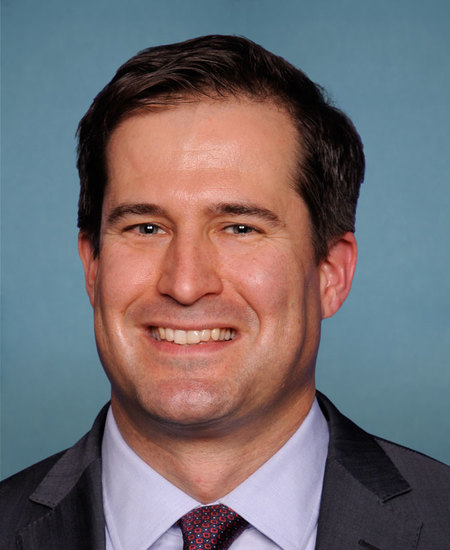
Rep. Seth Moulton
Sponsored bills
Maddy summaryThis resolution expresses the House of Representatives' support for the International Atomic Energy Agency's (IAEA) crucial role in global nuclear security and safety. It encourages the United States and other IAEA member states to ensure the Agency has reliable and sufficient resources, including financial contributions to its Nuclear Security Fund, to successfully carry out its duties.
Maddy summaryThis resolution designates April as "Community College Month" to recognize the significance of community colleges across the United States. It celebrates over 1,000 institutions for their role in providing accessible higher education and workforce training, and for contributing to the nation's economic prosperity.
Maddy summaryThe Neighborhood Tree Act of 2026 establishes a new federal "Neighborhood Tree Fund" to provide financial assistance for planting and maintaining urban trees. This fund will support states, Indian Tribes, and local governments or community groups in increasing tree canopy and improving urban forest health. The bill prioritizes projects in low-income areas, historically disadvantaged communities, and neighborhoods with less tree cover and higher summer temperatures to address environmental inequities. It authorizes substantial funding, starting at $100 million in fiscal year 2025, and also adjusts an existing advisory council's membership to include representatives from smaller and low-income communities.
Maddy summaryHR 5543, the Baltic Security Assessment Act of 2025, requires the U.S. State and Defense Departments to submit a report within 180 days of enactment. The report will assess emerging military, cyber, hybrid, and political threats to Estonia, Latvia, and Lithuania, including the roles of Russia, Belarus, China, Iran, and other actors. It will also evaluate U.S. and NATO military presence in the region, opportunities for defense cooperation, and recommendations to strengthen deterrence, cybersecurity, and democratic resilience in the Baltic countries. This bill directly affects U.S. foreign policy and defense planning regarding the Baltics, but does not create new programs or funding.
Maddy summaryThis bill, the Energy Consumer Protection Act of 2026, strengthens enforcement powers for the Federal Energy Regulatory Commission (FERC) to protect consumers in the electricity and natural gas markets. It allows FERC to ban companies or individuals who violate reporting rules or engage in deceptive practices from buying or selling energy and related services. The legislation also adds specific penalties for knowingly submitting false information about natural gas prices or availability to federal agencies. These changes apply to utilities, energy traders, and other market participants regulated by FERC.
Maddy summaryThe SERVE Act extends various Veterans Affairs benefits to former military members who were discharged specifically due to their sexual orientation or gender identity. This legislation amends existing laws to include these individuals in access to hospital care, mental health counseling, burial in national cemeteries, post-9/11 education assistance, and VA housing loans. The bill also requires the Department of Veterans Affairs to notify affected service members about available benefits and mandates a report within 15 months detailing how many individuals have received these services.
Maddy summaryThis bill establishes a grant program to help vulnerable mothers and babies in areas with high climate-related health risks, such as extreme heat and air pollution. It directs the Department of Health and Human Services to award up to $105 million over four years to community groups, healthcare providers, and local organizations for initiatives that provide cooling resources, health education, and support services. The program prioritizes areas with high rates of maternal and infant health disparities and requires grantees to address racial and ethnic inequities. Additionally, the bill creates a research consortium at the National Institutes of Health to study climate impacts on birth outcomes and funds training programs for health profession schools to better prepare providers for these risks.
Maddy summaryThis House Resolution recognizes the efforts and public safety contributions of linemen and the important role they play in maintaining the nation's energy infrastructure. It expresses support for designating April 18, 2026, as "National Lineman Appreciation Day" and acknowledges linemen as first responders.
Maddy summaryHRES 1196 is a House Resolution that formally designates April as "Cancer Prevention and Early Detection Month." The resolution expresses the House of Representatives' support for the goals and ideals of this month, affirming a national commitment to educating the public on disease prevention and commending advancements in multi-cancer early detection efforts.