

Maddy summaryHR 1770, the Consumer Safety Technology Act, requires federal agencies to study and pilot new technologies to improve consumer safety. Title I mandates the Consumer Product Safety Commission to run a one-year AI pilot program to track product injuries, identify hazards, monitor recalls, and check imports, then report findings to Congress. Title II directs the Commerce Secretary to study how blockchain technology can prevent fraud in consumer transactions, including public input and a 6-month report to Congress. Title III requires the Federal Trade Commission to report on its enforcement actions against deceptive practices involving digital tokens and recommend improvements to protect consumers. The bill affects the Consumer Product Safety Commission, Commerce Department, and FTC, focusing on research and reporting rather than immediate regulatory changes.
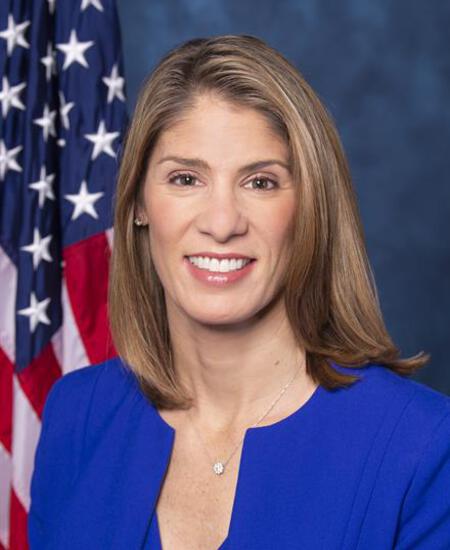
Rep. Lori Trahan
Sponsored bills
Maddy summaryHRES 579 is a non-binding resolution designating July as Uterine Fibroids Awareness Month. It supports raising public awareness about uterine fibroids - a condition affecting an estimated 80% of women by age 50 - particularly highlighting the disproportionate impact on Black and Hispanic women (3x and 2x higher rates than White women). The resolution recognizes the need for more research, treatment options, and education on fibroid prevention and symptoms. It urges the President to issue a proclamation encouraging nationwide awareness activities during July. This is a symbolic measure with no new funding or legal requirements.
Maddy summaryHR 4382 authorizes the U.S. Mint to produce commemorative coins for the 2028 Los Angeles Olympics/Paralympics and 2034 Salt Lake City Winter Olympics/Paralympics. It specifies gold, silver, and half-dollar coin designs with defined mintage limits (e.g., up to 100,000 $5 gold coins for each event), all bearing inscriptions like "2028" or "2034" and standard coin features. A surcharge ($5-$50 per coin) is added to sales, with all funds directed to the respective Olympic committees to support event hosting and legacy programs like youth sports. The bill ensures no net cost to the government by requiring surcharge revenues to cover all design, production, and marketing expenses before funds are disbursed.
Maddy summaryHRES 575 is a symbolic resolution designating July 10th as "Journeyman Lineworkers Recognition Day." It honors lineworkers who face significant risks daily - working at heights near live wires and responding to disasters like hurricanes and wildfires. The resolution specifically references Henry Miller, an early leader of the International Brotherhood of Electrical Workers, who died on July 10, 1896, while troubleshooting an outage. It encourages the public to recognize these workers' contributions but does not create new laws or allocate funding.
Maddy summaryThe Expanding Access to Mental Health Services in Schools Act of 2025 creates a federal grant program to help high-need schools hire and retain mental health professionals like counselors, psychologists, and social workers. It targets schools in the top 15% of need (based on student poverty or counts) that lack required staff ratios, such as one counselor per 250 students. Grants fund recruitment incentives (e.g., student loan repayment), retention programs, and evidence-based mental health services, with recipients required to contribute 25% of costs from non-federal funds. Schools must report annually on staff numbers, student-to-staff ratios, and retention rates to track progress toward improved mental health access.
Maddy summaryHR 4265, the Reproductive Health Travel Fund Act of 2025, would provide $350 million annually (2026-2030) in federal grants to cover travel and logistical costs for people seeking abortion care in states with bans or severe restrictions. The bill directly affects individuals who must travel across state lines for abortion services, particularly those facing systemic barriers like Black, Indigenous, and low-income people. Grants can cover round-trip travel, lodging, childcare, meals, translation, and lost wages, but cannot fund the abortion procedure itself. Eligible recipients are community-based abortion funds meeting specific criteria, with priority given to organizations serving those impacted by state abortion bans.
Maddy summaryThe No Secret Police Act of 2025 requires U.S. Immigration and Customs Enforcement (ICE) and other Department of Homeland Security officers working on border security or immigration enforcement to visibly display their official badges or uniforms and provide identification during detentions or arrests. It prohibits officers from wearing face coverings that conceal their face during these interactions. The bill also mandates that the Department report to Congress about tactical gear policies and research technology to improve badge visibility in different conditions like weather or lighting. These changes aim to increase transparency in immigration enforcement encounters.
Maddy summaryThe CONNECT for Health Act of 2025 expands Medicare telehealth coverage by removing geographic restrictions that limited where patients could receive care, expanding the types of health care providers who can offer telehealth services, and eliminating the requirement for an in-person visit before receiving telemental health services. The bill includes specific provisions to support telehealth use for Native American health facilities, rural health clinics, and Federally Qualified Health Centers. It requires the Centers for Medicare & Medicaid Services to collect and publish data on telehealth usage and impacts, and to develop resources to improve accessibility for people with disabilities and limited English proficiency. Program integrity measures are added to monitor telehealth billing practices and prevent fraud while maintaining coverage for telehealth services during public health emergencies.
Maddy summaryHR 4167, the Expanding Access to Lending Options Act, amends the Federal Credit Union Act to extend the maximum time federally chartered credit unions can hold mortgage loans from 15 years to 20 years (or longer by NCUA regulation). This change directly affects federally chartered credit unions by allowing them to offer longer-term mortgage products to members. The key provision modifies Section 107(5) of the Federal Credit Union Act, specifically updating the time limit for mortgage loans held by credit unions. The bill also includes a non-binding sense of Congress statement emphasizing safety and soundness in NCUA oversight, but the core policy change is the extended mortgage holding period.
Maddy summaryHR 4153, the STRONG Act, increases maximum loan limits for two key Small Business Administration (SBA) programs. It raises the cap for standard 7(a) loans from $3.75 million to $7.5 million (and the threshold for higher amounts from $5 million to $10 million), and doubles the cap for development company loans from $5 million to $10 million (for both standard and higher thresholds). These changes directly affect small businesses seeking SBA financing by allowing them to access larger loans for growth, expansion, or recovery. The bill modifies specific provisions in the Small Business Act and Small Business Investment Act to expand access to capital.