

Diversifying Investigations Via Equitable Research Studies for Everyone Trials Act or the DIVERSE Trials Act This bill requires activities to increase diversity in clinical trials. It also expands reporting by laboratories that test for and diagnose COVID-19 and requires a study on data collection and data sharing during public health emergencies. Specifically, the Food and Drug Administration (FDA) must issue guidance on decentralized clinical trials to promote meaningful demographic and geographic diversity in patient engagement, enrollment, and participation. Decentralized clinical trials include those executed through telemedicine or other digital technologies to allow for the remote collection and assessment of clinical trial data. The FDA may also work with foreign regulators to harmonize international regulations governing decentralized clinical trials and the use of digital health technology. In addition, the Department of Health and Human Services (HHS) may support community education, outreach, and recruitment activities for clinical trials of treatments for conditions that disproportionately impact populations underrepresented in clinical trials. The bill also specifies that drug or device manufacturers may provide, subject to some limits, free digital health technologies and other remuneration to patients in approved clinical trials without violating laws that address fraud and abuse in federal programs. Furthermore, laboratories that test for and diagnose COVID-19 must report additional demographic data, including information about social determinants of health. HHS must also contract with the National Academy of Medicine to study and propose a design for an interoperable platform to facilitate data sharing during public health emergencies.
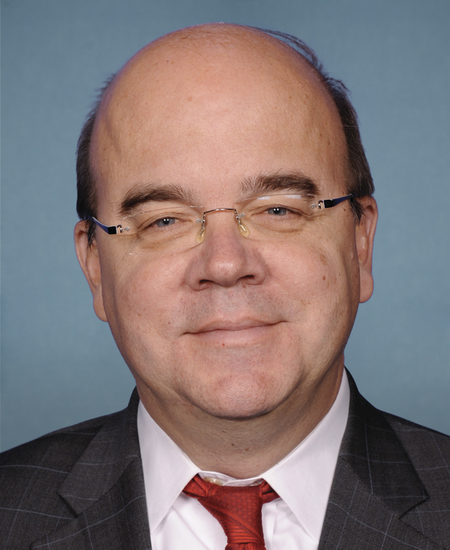
Rep. James P. McGovern
Sponsored bills
This resolution supports (1) fair and equitable access to COVID-19 vaccines, and (2) investments in the vaccine supply chain and other efforts to meet global needs for vaccines.
This resolution urges the United States to protect the human rights of unhoused individuals, to establish regulations and enforcement tools to protect unhoused individuals from violations of civil and human rights, and to establish blanket legal protections for third parties providing goods or services to unhoused individuals. The resolution also urges the United States to establish a process to award appropriate damages, attorney's fees, and costs to a prevailing plaintiff in an action alleging a violation of the human and civil rights of unhoused individuals. Relatedly, the resolution urges the United States to allow the court in such an action to consider housing status and apply leniency in compiling records, receipts, and documentation from those plaintiffs. The resolution also expresses the intention of the House of Representatives to address the unhoused crisis in the United States by providing funding and imposing requirements on the Department of Housing and Urban Development and the Department of Health and Human Services.
Fiscal Analysis by Income and Race Scoring Act or the FAIR Scoring Act This bill requires the Congressional Budget Office's (CBO's) cost estimates for legislation to include a distributional analysis by race and income if the legislation will have a gross budgetary effect of at least 0.1% of gross domestic product in any fiscal year during the 10-year budget window. CBO's analysis must show the transfers that would result by race and income level, and the effects must be shown both in dollars and as a percent change in after-tax-and-transfer-income. The bill also requires CBO to report to Congress on methods for conducting such a distributional analysis by gender.
Farm System Reform Act of 2021 This bill places a moratorium on large concentrated animal feeding operations; requires country-of-origin labeling for beef, pork, and dairy products; and otherwise revises provisions related to the marketing of livestock, poultry, and meat.
School Food Modernization Act This bill provides for loan guarantees and grants to support healthy meals under the National School Lunch Program and School Breakfast Program. The bill directs the Department of Agriculture (USDA) to issue loan guarantees to local educational agencies (LEAs), school food authorities, tribal organizations, and other eligible entities to finance infrastructure improvements or equipment purchases to facilitate their provision of healthy meals through the school meal programs. USDA must also award competitive matching grants to assist LEAs, school food authorities, and tribal organizations in purchasing the durable equipment and infrastructure they need to serve healthier meals and improve food safety. USDA must give preference under both programs to applicants that demonstrate a substantial or disproportionate need for food service infrastructure or durable equipment, and shall establish fees for the loan guarantee program. In addition, USDA must award competitive matching grants to experienced third-party training institutions to provide school food service personnel with the training and technical assistance they need to (1) meet or exceed nutrition standards under the school meal programs, and (2) improve the efficacy and efficiency of the school meal programs.
This resolution commemorates the Assyrian Genocide and urges Turkey to officially recognize the Assyrian Genocide.
This resolution urges the International Olympic Committee to consider that the Olympic Charter's principles of solidarity and nondiscrimination are hard to reconcile with holding the 2022 Winter Games in China, a country that the resolution states stands credibly accused of perpetuating crimes against humanity and genocide against ethnic and religious minorities.
Central American Women and Children Protection Act of 2021 This bill temporarily authorizes the Department of State to enter into bilateral compacts with the governments of El Salvador, Guatemala, and Honduras to strengthen criminal justice systems, social supports, and other means to protect women and children from domestic and gender-based violence. At least 15 days before entering a compact, the State Department must submit to Congress a copy of the proposed agreement and related materials. Authority to enter a compact terminates on September 30, 2023, and a compact may last no more than six years. To support the objectives outlined in a compact, the State Department may provide assistance to international organizations, civil society, or other private entities for programs and activities to prevent and respond to domestic and gender-based violence in a compact country. The bill bars the provision of assistance to the government of a compact country as direct budgetary support. The State Department may suspend or terminate the assistance if a compact country or entity receiving the assistance engaged in conduct contrary to U.S. national security interests or inconsistent with the objectives of the compact. The State Department must notify Congress at least 15 days before suspending or terminating assistance. The bill also requires the State Department to annually report on progress made under each compact, including its effect on reported violence against women and children and other domestic and gender-based violence indicators.
This concurrent resolution recognizes the disparity in wages paid to Black women and its impact on women, families, and the nation, and reaffirms Congress' support for ensuring equal pay and closing the gender wage gap.