

Maddy summaryThis bill would require Medicare to cover FDA-approved blood tests that screen for multiple cancers simultaneously (like breast, lung, or colorectal cancer) for beneficiaries. It directly affects Medicare recipients aged 65+ who could access these new screenings once per year, without prior authorization. The key provision adds "multi-cancer early detection screening tests" to Medicare's covered services under Part B, defining them as blood tests analyzing cell-free DNA, while maintaining existing coverage for standard screenings like mammograms. The bill does not change current coverage for individual cancer screenings but ensures Medicare keeps pace with new medical technology.
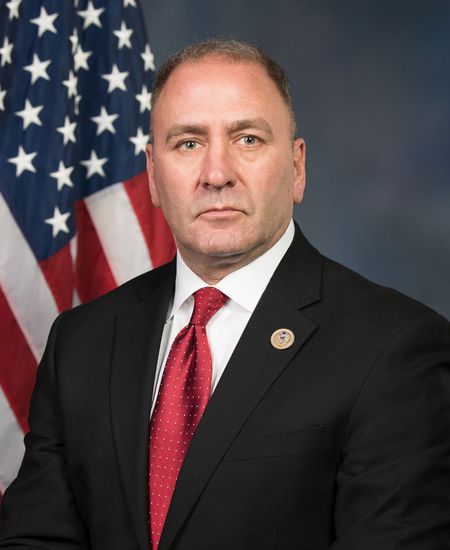
Rep. Clay Higgins
Sponsored bills
Maddy summaryHR 1401, the END FENTANYL Act, requires U.S. Customs and Border Protection (CBP) to review and update its field inspection manuals at least every three years. This ensures CBP's border inspection practices consistently address new smuggling methods used to hide drugs like fentanyl and human trafficking. The bill mandates that CBP submit reports to specific congressional committees after each update, detailing the changes made to inspection policies. This directly affects CBP officers and border security operations by standardizing how they detect and respond to evolving smuggling tactics.
Maddy summaryHR 1399, the "Protect Children's Innocence Act," prohibits medical gender-affirming care for minors under 18 by making it a class C felony for providers to perform such care. The bill defines gender-affirming care broadly to include surgical procedures, hormone treatments, and certain cosmetic procedures, with exceptions for medical conditions like reproductive cancers or intersex conditions. It prohibits federal funding for gender-affirming care through programs like Medicaid, Medicare, and the Affordable Care Act, and bans such care in federal health facilities. The bill also prevents institutions of higher education from teaching gender-affirming care and adds immigration consequences for individuals who provide such care to minors.
Maddy summaryHR 1276, the "Protect Minors from Medical Malpractice Act of 2023," creates a legal right for minors who undergo gender-transition procedures before age 18 to sue medical practitioners for harms (physical, psychological, or emotional) related to those procedures. It allows such individuals to file civil lawsuits up to 30 years after turning 18, seeking damages, injunctions, or attorney fees. The bill defines "gender-transition procedure" broadly to include puberty blockers, cross-sex hormones, or surgeries, but excludes treatments for intersex conditions, medical emergencies, or injuries caused by prior procedures. This law directly affects minors receiving such care, medical practitioners performing these procedures, and states that might require them. The bill does not prohibit gender-transition care but establishes a liability framework for practitioners.
Maddy summaryThis bill repeals specific provisions from the Affordable Care Act and its 2010 amendment that restricted certain physician referrals to hospitals under Medicare. It directly affects hospitals and physicians who previously faced limitations on referring Medicare patients to facilities they owned or had financial ties with. The key mechanism restores the original rules that allowed such referrals without the prior restrictions, effectively undoing the 2010 changes. This is a procedural change to existing law, not a new policy.
Maddy summaryThe Secure the Border Act of 2023 is a comprehensive immigration bill that focuses on strengthening border security, reforming asylum processes, and updating employment verification systems. The bill requires the immediate resumption of border wall construction, mandates specific staffing levels for Border Patrol agents, and establishes new technology investment plans for Customs and Border Protection. It also introduces stricter asylum eligibility rules, expands penalties for visa overstays, and creates a new employment eligibility verification system that requires employers to check worker authorization status. Additionally, the bill includes provisions for family detention standards, child repatriation policies, and increased funding for border security operations while prohibiting certain types of funding for organizations that facilitate illegal immigration.
Maddy summaryThis bill extends a temporary COVID-19 emergency waiver that allows nurse aides in training to count hours worked during the pandemic toward their certification requirements at nursing facilities. It specifically permits these hours to satisfy the 75-hour minimum training requirement and allows facilities to conduct competency evaluations on-site if states don’t offer them weekly. The waiver remains in effect for at least 24 months after enactment, with a requirement for the Secretary to study its continued appropriateness within one year. The policy directly affects nurse aides working in skilled nursing facilities and nursing facilities under federal Medicare/Medicaid rules. It does not create new training programs but maintains pandemic-era flexibility for staffing.
Maddy summaryThis bill bans federal funding for abortions in most cases, prohibiting the use of taxpayer money for abortion services or health insurance plans covering abortion. Exceptions allow funding for abortions resulting from rape, incest, or when a pregnancy endangers a woman's life. It requires health insurance plans sold through the Affordable Care Act (ACA) marketplaces to clearly disclose any separate costs for abortion coverage and prohibits ACA subsidies from being used for plans that cover abortion (except in the specified exceptions). The law directly affects federal programs like Medicaid, ACA marketplace plans, and insurers offering health coverage to individuals using federal subsidies.
Maddy summaryHR 10414 seeks to repeal the Impoundment Control Act of 1974 (2 U.S.C. 681 et seq.), a law that limited the President's authority to withhold funds Congress had appropriated. This bill would remove the legal restrictions requiring the President to seek Congressional approval before delaying or refusing to spend money already approved by Congress. The repeal would directly affect the executive branch's budget implementation powers, restoring the pre-1974 practice where the President could withhold funds without specific Congressional consent. This is a procedural change altering the legal framework governing federal spending, with no new provisions or direct impact on specific programs or citizens.
Maddy summaryHR 9668, the SHIELD Against CCP Act, establishes a DHS Working Group to assess and coordinate efforts against specific threats posed by the Chinese Communist Party. The Working Group examines issues like immigration system exploitation (e.g., identity theft, human trafficking), predatory economic practices (e.g., forced labor, IP theft), and threats to critical infrastructure, including fentanyl trafficking and cybersecurity risks. It requires DHS to produce annual threat assessments for Congress, coordinate with federal and local partners, and report on program efficacy, with the Working Group terminating after seven years. The bill directly affects DHS operations and its collaboration with intelligence and fusion centers to address these security concerns.