

Maddy summaryHR 3757, the Pride In Mental Health Act of 2025, provides $20 million annually (2026-2030) to fund grants for mental health services targeting LGBTQ+ youth, including nonbinary, intersex, and Two Spirit youth, and their families/caregivers. The bill mandates grantees to provide trauma-informed care, cultural competency training, school bullying prevention guidelines, and evidence-based practices while explicitly prohibiting the use of funds for conversion therapy or its promotion. It also requires the federal government to restore mental health reports on LGBTQ+ youth, conduct a national survey measuring mental health distress, and produce a report on mental health services for LGBTQ+ youth in foster care. The law directly affects these youth populations by expanding access to tailored mental health resources and data collection, with funding administered through the Substance Abuse and Mental Health Administration.
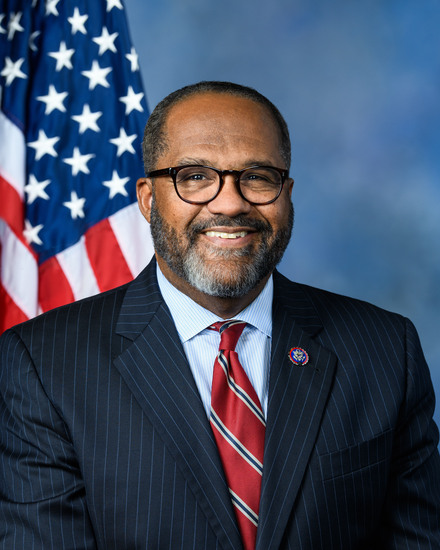
Rep. Troy A. Carter
Sponsored bills
Maddy summaryThe Complete Streets Act of 2025 requires states to establish programs that help local governments, transit agencies, Tribal governments, and other eligible entities design and build transportation infrastructure accommodating all users - including pedestrians, cyclists, transit riders, and people with disabilities. States must provide technical assistance and grants for complete streets projects, with funding coming from 5% of transportation funds apportioned to each state. The bill establishes new design standards requiring protected bike lanes, accessible sidewalks, and appropriate lighting for many road projects, with compliance required for certain new construction and reconstruction projects on Federal-aid highways within metropolitan areas. It also mandates that states develop "complete streets prioritization plans" focusing on improving safety, mobility, and accessibility, particularly in underserved communities.
Maddy summaryHRES 473 is a non-binding House resolution calling on the U.S. government to urgently use diplomatic efforts to ensure food and medical supplies reach civilians in Gaza. It directly addresses the needs of approximately 2.2 million Palestinians facing acute hunger, including 10,000 children identified with acute malnutrition, following a border blockade that blocked aid from March to May 2025. The resolution specifically urges the White House and State Department to secure "immediate and secure delivery and disbursement" of aid and a lasting end to the conflict, citing collapsed bakeries, exhausted food rations, and a near-total health system collapse.
Maddy summaryThe Family Vaccine Protection Act makes the Advisory Committee on Immunization Practices (ACIP) an official part of federal law, requiring it to provide vaccine recommendations based on strong scientific evidence. It mandates that the CDC Director must adopt ACIP's recommendations unless they don't meet the evidence standard, and if not adopted, the CDC must explain its decision and notify Congress within 48 hours. The bill establishes procedures for ACIP to review new vaccines within 90 days of licensure and to consider breakthrough therapies or public health emergencies. This act aims to strengthen transparency and evidence-based decision-making in vaccine recommendations for the public health system. It affects the CDC, ACIP, and Congress through formalized processes for vaccine policy development.
Maddy summaryHRES 465 is a resolution expressing the House of Representatives' support for Congress to enact the Older Americans Bill of Rights. It calls for future legislation establishing specific rights for older Americans, including access to dignified healthcare (like affordable prescriptions and caregiver support), financial security (such as strengthened Social Security), and community participation (like accessible housing and voting). The resolution itself does not create new laws but urges Congress to draft such a bill. It directly addresses older Americans, particularly those facing poverty, health disparities, or isolation, based on cited statistics about their challenges.
Maddy summaryThe FBI Animal Cruelty Taskforce Act of 2025 establishes a dedicated FBI unit to investigate federal animal cruelty crimes, specifically targeting dogfighting, cockfighting, and "crush videos." This taskforce will create training materials for local law enforcement to help them detect and investigate these offenses. It also requires the taskforce to coordinate with agencies like the Department of Agriculture and U.S. Customs, and to submit annual reports to Congress detailing filed charges, convictions, and unresolved investigations. The bill directly affects local police departments through new training resources and federal agencies through mandated coordination and reporting.
Maddy summaryHR 3661, the Extreme Weather and Heat Response Modernization Act, requires FEMA to review and update how it defines "incident periods" (timeframes for disaster response) for extreme weather events. Within one year, FEMA must form an advisory panel with diverse emergency management representatives to assess current procedures, particularly for slow-onset, compound, or cascading disasters, and submit findings to Congress. The bill also mandates FEMA to issue new guidance on community cooling centers, resilience centers, and extreme heat/cold mitigation projects within a year, and conduct a study on impacts to vulnerable communities, infrastructure, and emergency alerts. These changes directly affect FEMA, state/local emergency managers, and communities facing extreme heat or cold events by modernizing response protocols and funding eligibility.
Maddy summaryThis bill reorganizes collective bargaining rules for Veterans Health Administration (VHA) employees by removing existing subsections (b), (c), and (d) from Section 7422 of Title 38 and redesignating the current subsection (e) as (b). It directly affects VA health care employees by altering the structure of their collective bargaining framework. The bill explicitly states it does not change the Secretary of Veterans Affairs' existing authorities over incentive pay or expedited hiring under Section 706 of Title 38. The change is purely procedural, focusing on the internal organization of bargaining rules without introducing new employee benefits or obligations.
Maddy summaryHR 3585 establishes the Capacity Building for Business Districts Pilot Program to provide targeted support for business districts in low-income, rural, minority, and Native communities. The program awards competitive grants through intermediary organizations ("specified recipients") to deliver technical assistance, training, and capacity-building services directly to local business district organizations ("eligible subrecipients"). These organizations must provide services to business districts in underserved areas, with grants requiring annual reporting on job impacts, geographic reach, and fund usage. The pilot mandates geographic diversity in grant distribution and prioritizes applicants serving distressed communities or multiple regions. Grants must last at least two years, focusing on enhancing local business districts' ability to attract investment and support small businesses.
Maddy summaryHRES 446 is a symbolic House resolution supporting the designation of July 3-10, 2025, as "National Extreme Heat Awareness Week." It aims to raise public awareness about extreme heat dangers to health, infrastructure, agriculture, and safety through educational campaigns and community initiatives. The resolution encourages federal and local efforts to promote heat safety knowledge and preparedness, citing that extreme heat causes over 1,300 U.S. deaths annually. It does not create new laws or allocate funding but formally expresses congressional support for this awareness observance.