

Maddy summaryHR 4482, the Stop NOAA Closures Act, imposes a temporary moratorium on closing, suspending, or limiting access to National Oceanic and Atmospheric Administration (NOAA) facilities, effective until a report is submitted to Congress by January 21, 2029. The bill requires NOAA and the General Services Administration to submit detailed reports to specific congressional committees before any future facility closure, suspension, lease termination, or consolidation - outlining cost-benefit analyses, service impacts, and justification. Exceptions apply only for emergencies posing immediate threats to personnel safety. This bill directly affects NOAA's facility management decisions and mandates congressional oversight for future closures.
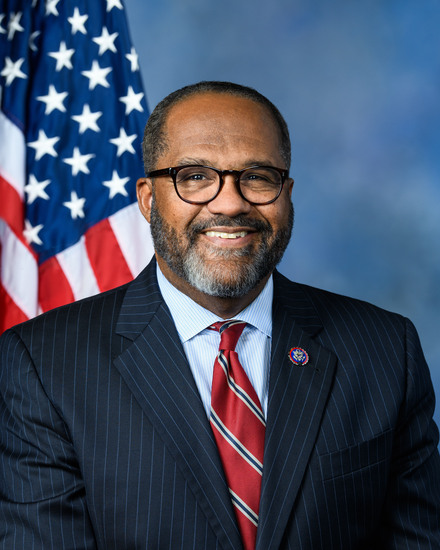
Rep. Troy A. Carter
Sponsored bills
Maddy summaryHR 4497, the Extreme Heat Emergency Act of 2025, amends the Stafford Act to explicitly include "extreme heat" in the definition of a "major disaster" alongside events like floods and droughts. This change would allow communities experiencing severe, life-threatening heatwaves to qualify for federal disaster assistance under existing Stafford Act programs. The bill directly affects local governments and residents in areas hit by extreme heat events that meet the new definition, enabling them to access federal aid previously unavailable for heat emergencies. It does not create new programs or funding but adjusts eligibility criteria for current disaster relief mechanisms.
Maddy summaryThe Black Farmers and Socially Disadvantaged Farmers Increased Market Share Act creates a new grant program to support food hubs that increase market access for socially disadvantaged farmers and ranchers. The program provides competitive grants for food hubs to develop infrastructure, equipment, and marketing services, with priority given to projects benefiting underserved communities. The bill also establishes a 25% tax credit for businesses that purchase agricultural products from these food hubs and requires USDA to prioritize purchasing from socially disadvantaged farmers in domestic food assistance programs. These provisions aim to address historical barriers to market access for socially disadvantaged farmers by supporting their participation in food distribution systems.
Maddy summaryThis resolution (HRES 585) is a symbolic congressional statement recognizing that extreme weather events - like heatwaves, wildfires, and poor air quality - pose unique health risks to children, including respiratory issues, heat illness, mental health impacts, and disruptions to education. It calls on Congress to prioritize rapid, equitable solutions tailored to children’s needs, such as improved school air filtration, accessible emergency alerts, and child-focused disaster planning. The resolution specifically highlights vulnerable groups like young farmworkers, pregnant people, and children in urban heat islands. As a non-binding resolution, it does not create new laws but urges future legislation and funding to address these climate-related health threats for children.
Maddy summaryHR 4444 would replace the current "undue hardship" standard for discharging student loan debt in bankruptcy with a new, more accessible standard. This change directly affects the 43 million Americans with federal student loans, particularly those struggling with payments (over 6 million are 90+ days delinquent as of June 2025), who currently face an extremely low success rate (less than 0.01%) under the existing Brunner test. The bill amends Section 523(a)(8) of the bankruptcy code to remove "undue hardship," giving courts flexibility to use reasonable criteria while maintaining existing bankruptcy requirements like means testing. This aims to provide a fairer path to relief for borrowers who cannot repay their debts, addressing a system where most bankruptcy filings for student loans fail.
Maddy summaryThis bill establishes federal worker heat protection standards to prevent heat-related illness and injury. It requires employers to provide a workplace free from heat stress hazards, including access to cool water, scheduled rest breaks, shaded cooling areas, and training on heat illness symptoms. The Secretary of Labor must create these standards within one year, incorporating evidence-based practices like engineering controls (e.g., ventilation), administrative measures (e.g., adjusted schedules), and employer-paid personal protective equipment. The law directly affects all employers in high-heat work environments - such as construction, agriculture, and manufacturing - and strengthens whistleblower protections for workers reporting safety violations.
Maddy summaryThe Cool Corridors Act of 2025 expands the existing Healthy Streets program to fund tree planting, shade structures, and green infrastructure along transportation corridors - like bus stops, transit hubs, and school zones - to reduce heat exposure. It directly affects communities facing extreme heat and limited tree canopy (especially low-income or historically underserved areas), as well as state/local transit agencies, schools, and environmental groups. Key provisions include requiring projects to prioritize heat-vulnerable regions, mandate annual reporting on temperature reduction and equity outcomes, and ensure tree planting doesn’t obstruct traffic safety. The bill also extends program funding through 2030 and mandates coordination with agencies like the EPA and Forest Service.
Maddy summaryThe Child Care for Working Families Act creates a federal program to provide affordable, high-quality child care for working families with children under age 6. It would provide direct child care assistance through certificates or grants to parents, with no copayment required for families at or below 85% of state median income. The program requires states to implement quality standards for child care providers, including a tiered quality system and minimum wage requirements for staff (at least a living wage equivalent to elementary educators). The bill appropriates $20 billion for the program over five years, with additional funding for quality improvement initiatives and universal preschool services.
Maddy summaryHR 4396, the Uterine Cancer Study Act of 2025, mandates a study by the Department of Health and Human Services (HHS) into the potential link between chemical hair straighteners and uterine cancer, with a specific focus on higher incidence rates among women of color. The study will review existing research, examine impacts across all racial and ethnic groups, analyze different hair straightener types (including those with dyes or bleach), and assess whether the FDA should require additional safety testing for these products. HHS must submit its study methodology within 45 days of the bill's enactment, begin the study within 180 days, and deliver a final report to Congress within two years. This bill does not create new regulations but directs a specific research effort to gather evidence on a potential health concern. The study directly affects women, particularly women of color, who use hair straightening products and may face elevated uterine cancer risks.
Maddy summaryThis bill directs the Department of Health and Human Services to significantly increase federal research funding for uterine fibroids ($30 million annually from 2026-2030), expand coordination of NIH research, and establish a Medicaid data system to track treatment access and costs. It mandates public education on fibroid symptoms, prevalence (especially among Black women, who face higher risk and severity), and non-hysterectomy treatment options. The bill also requires disseminating evidence-based provider resources on managing fibroids while preserving fertility. These provisions directly affect the estimated 26 million U.S. women with fibroids - particularly women of color - and aim to address the current lack of research and treatment data.