

Maddy summaryThe Affordable Connectivity Program Extension Act of 2024 allocates $7 billion in funding for the Affordable Connectivity Program (ACP) during fiscal year 2024. The ACP provides subsidies to low-income households to help cover the cost of internet service and connected devices like laptops or tablets. This funding ensures the program can continue supporting eligible households throughout the year, with the money remaining available until fully spent. The bill extends existing program funding without changing eligibility criteria or service requirements.
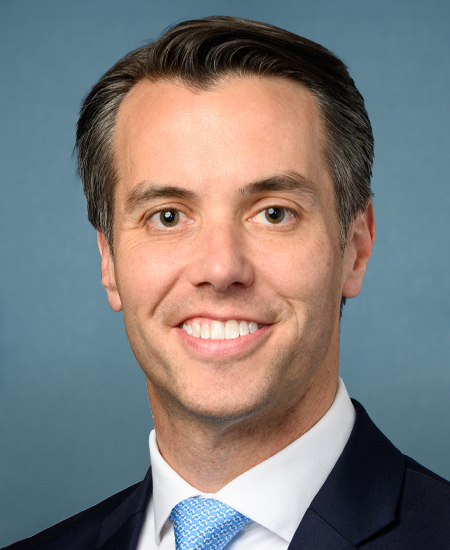
Rep. Morgan McGarvey
Sponsored bills
Maddy summaryThe Brittany Clardy Missing and Murdered Black Women and Girls Act establishes a new Office within the Department of Justice to address the disproportionate rates of missing and murdered Black women and girls in the U.S. The Office will collect and analyze data on these cases - including case resolution times, Amber Alert usage, and trafficking links - and create a public dashboard for tracking. It also creates a grant program for community organizations to provide culturally appropriate prevention services, law enforcement training, and victim support. The Office must submit biennial reports to Congress with findings and recommendations to improve the criminal justice response to these cases. This bill directly affects Black women and girls facing violence, law enforcement agencies, and community organizations providing related services.
Maddy summaryThe Relief for Survivors of Miners Act of 2023 helps survivors of miners who died from black lung disease (pneumoconiosis) qualify for benefits by creating rebuttable presumptions: if a miner worked at least 10 years in coal mining or was totally disabled by the disease at the time of death, the government must prove the death wasn’t caused by the disease. It restores older rules allowing survivors to claim benefits if the miner was disabled by black lung disease before death. The bill also establishes a program to cover up to $4,500 in attorneys’ fees and $3,000 in medical expenses for contested claims taking over a year to resolve, paid from the Black Lung Benefits fund and later reimbursed by the mining operator. These changes directly affect surviving family members of miners who died from black lung disease and simplify the process for securing benefits.
Maddy summaryHR 6720 creates a grant program administered by the U.S. Department of Agriculture to provide stabilization payments to farmworkers, meat processing workers, and grocery workers affected by natural or other disasters designated by the Secretary. Eligible entities - such as labor unions or membership organizations representing these worker groups - can apply for funding to support affected workers. The program is authorized to spend up to $50 million, with the Secretary required to report on its outcomes within four years. This bill directly affects workers in specific food industry sectors during disaster events, offering financial stabilization through grants administered by the Agricultural Marketing Service.
Maddy summaryThe Rent Relief Act of 2023 creates a new refundable tax credit for renters whose rent exceeds 30% of their adjusted gross income. It directly affects low-to-moderate income renters in their principal residence, with credit percentages ranging from 100% (for incomes under $25,000) down to 0% (for incomes over $100,000). The credit is limited to rent within HUD's fair market rent guidelines, and the IRS will make monthly advance payments starting July 2024 for eligible taxpayers who elect this option. The bill requires no additional tax filing for the credit but includes $50 million for outreach to help eligible households enroll.
Maddy summaryHRES 921 is a ceremonial resolution honoring the 30th anniversary of the National Guard Youth Challenge Program. It recognizes the program’s work supporting at-risk youth aged 16-18 by providing free, structured education and discipline through a 5.5-month residential phase (covering life skills, leadership, academics, and physical fitness) followed by a 12-month mentoring phase. The resolution highlights that the program, operating in 28 states and territories, has served over 8,000 cadets annually and helped more than 200,000 youth graduate with academic credentials since its inception. The resolution expresses the House’s reaffirmed commitment to the program’s mission of developing character and preparing youth for societal success.
Maddy summaryThe YouthBuild for the Future Act increases annual funding for the YouthBuild program, authorizing $159.5 million for 2024 with incremental growth through 2029. It reserves 20% of funds above $125 million for rural programs and tribes, while adding new requirements like meal assistance, benefits counseling for programs like SNAP, and support services for participants with disabilities. The bill updates participant eligibility terms (e.g., "youth justice-involved" instead of "youth offender") and mandates annual consultation with program providers to set performance goals. It directly affects low-income youth in rural areas, tribal communities, and justice-involved youth through expanded workforce training and support services.
Maddy summaryThe Workers POWER Act (HR 6634) strengthens federal labor enforcement by expanding staffing and resources for the Department of Labor's Wage and Hour Division and Occupational Safety and Health Administration (OSHA). It creates new paid student positions (5 in Washington, DC, plus 2 per regional office), establishes child labor fellowships (5 per agency), and increases student loan repayment benefits for eligible employees. The bill also authorizes performance-based bonuses, retention incentives, and $250 million annually in grants to states to improve their labor enforcement capacity. These changes directly affect Department of Labor enforcement staff and state/local labor agencies working to address wage theft, child labor, and workplace safety violations.
Maddy summaryThe Elizabeth Dole Home Care Act of 2023 increases the expenditure cap for home- and community-based care for veterans from 65% to 100% of costs, with exceptions for certain cases based on clinical need and geographic factors. It establishes new programs including Veteran-Directed Care, which allows veterans to select and manage their own in-home care services, and Home-Based Primary Care, which provides in-home health care overseen by VA providers. The bill requires improved coordination with existing programs like the Program of All-Inclusive Care for the Elderly (PACE) and mandates a centralized website with information about available services. It specifically targets veterans who would otherwise require nursing home care or face increased risk of hospitalization, and includes provisions to address home health aide shortages through pilot programs.
Maddy summaryHR 6592, the Fight Book Bans Act, provides federal grants to reimburse public school districts for legal costs when they choose to keep instructional or library materials after parental objections. It directly affects school districts (covered local educational agencies) that select materials for students and handle challenges to their removal. The bill authorizes up to $100,000 per case in grants to cover attorney fees and court costs, provided the district didn’t remove the materials and wasn’t reimbursed by the state. Funding of $15 million is authorized for fiscal years 2024-2028. The grants are strictly for legal challenges to decisions not to remove materials, not for the content of the materials themselves.