

Maddy summaryThis bill allows Medicaid programs to enter into value-based purchasing (VBP) arrangements with drug manufacturers for innovative treatments like gene therapies. It codifies these arrangements by requiring states to report pricing structures based on patient outcomes and best prices for drugs sold under these agreements. The bill enables payments to be tied to treatment effectiveness, potentially reducing long-term healthcare costs by decreasing hospitalizations and other medical expenses. It also creates a requirement for a GAO study to evaluate how these arrangements impact patient access, outcomes, and healthcare system costs. The bill will sunset after 5 years, though existing VBP arrangements will continue beyond that date.
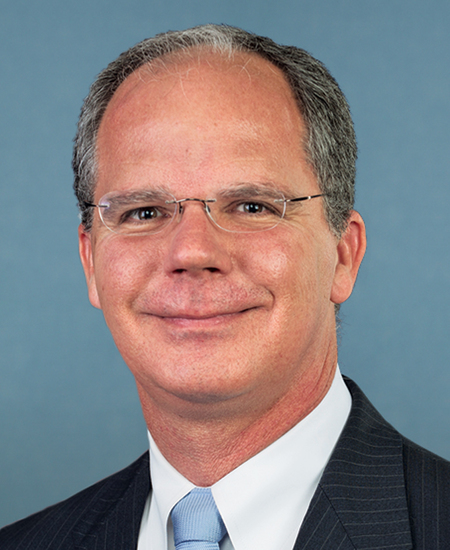
Rep. Brett Guthrie
Sponsored bills
Maddy summaryThe Save Our Sequoias Act establishes a coordinated approach to protect giant sequoia groves in California from wildfires, insects, and drought. It creates a Giant Sequoia Lands Coalition including federal agencies, state governments, and the Tule River Indian Tribe to assess grove health, develop protection projects, and recommend forest management activities. The bill streamlines implementation of certain projects through categorical exclusion from environmental reviews, authorizes $10-40 million annually for conservation efforts, and establishes a fund for philanthropic support of sequoia protection.
Maddy summaryThe FOCA Act of 2023 requires federal agencies to stop mandating or banning contractor agreements with labor organizations (like union contracts) in construction project bids and contracts. It directly affects federal contractors, subcontractors, and agencies managing construction projects funded by the government. The bill prohibits favoring or penalizing contractors based on their labor affiliation status, aiming to promote fair competition and reduce costs. It also mandates updates to federal contracting rules within 60 days of enactment to implement these changes.
Maddy summaryThe ANTE Act gives the U.S. International Trade Commission (USITC) new authority to investigate whether companies owned by non-market economy countries (like China or Russia, as defined by U.S. trade agencies) are using third countries (e.g., Vietnam or Mexico) to avoid U.S. tariffs on their goods. If the USITC finds evidence of tariff evasion - such as production in a third country to bypass tariffs on goods from a non-market economy - it can recommend trade remedies to the President or Congress. These remedies could include targeted tariffs on the third-country investment or broader import restrictions, requiring Congress to act within 60 days via a joint resolution. The policy would last 3-8 years, with automatic review before expiration to assess if the evasion threat persists. This directly affects companies in non-market economies seeking to circumvent U.S. trade penalties through third-country operations.
Maddy summaryThis bill prohibits the import of eight specific minerals (including copper, nickel, palladium, and platinum) from Russia or Russian entities starting 90 days after enactment. It directly affects U.S. importers and businesses relying on these Russian-sourced minerals. The ban ends one year after the President certifies Russia has ceased hostilities against Ukraine, but resumes immediately if Russia restarts military action, with no presidential waivers allowed. The law remains in effect until a new certification confirms Russia's cessation of hostilities.
Maddy summaryThe Patient Access Act of 2024 allows drug manufacturers to cover certain travel, lodging, and meal expenses for patients prescribed specialty drugs who live more than 1 hour driving distance (or 50 miles) from a treatment facility and have income below the median for their area. It permits manufacturers to pay for transportation, lodging near the facility, and meals during treatment periods, but only if patients aren’t already receiving these services for free from the facility and manufacturers don’t advertise the program before a prescription is issued. The bill also requires manufacturers to certify they won’t shift costs to Medicare or Medicaid and mandates a GAO study to track impacts on access, costs, and disparities for these patients. This applies specifically to patients needing transformative therapies like rare disease treatments, with the program starting January 1, 2025.
Maddy summaryThis bill creates temporary waivers for skilled nursing facilities and nursing facilities in areas with severe nurse aide shortages. It allows states to waive specific training and certification requirements for facilities located in designated shortage areas that haven't had recent quality-of-care deficiencies. Key provisions include extending the required nurse aide training period from 4 to 12 months, counting on-the-job hours toward training requirements, and offering flexibility in competency evaluations when state options are limited. The waivers apply to both Medicare and Medicaid-certified facilities meeting the defined shortage and quality criteria.
Maddy summaryHR 7836 would permanently remove import duties (taxes) on basketballs entering the United States. This bill directly affects businesses that import basketballs by eliminating the 30% tax they previously paid. The key mechanism is adding a new tariff classification (9506.62.70) to the US import rules, designating basketballs as duty-free. The change takes effect 15 days after the bill becomes law.
Maddy summaryThis bill changes the negotiation period for small-molecule drugs under the federal Drug Price Negotiation Program from 7 years to 11 years, matching the existing 11-year period for biologic drugs. It directly affects drug manufacturers participating in the program by extending the timeframe for price negotiations with the government. The amendment applies to all small-molecule drugs covered under the program, creating a uniform negotiation timeline for both drug types. The change takes effect as if included in the Inflation Reduction Act of 2022.
Maddy summaryThis bill amends the Social Security Act to require states to establish child support obligations for the biological father of an unborn child when the mother requests it. Key provisions include allowing support to begin from the month of conception (as determined by a physician), permitting retroactive payments even if paternity is established after birth, and requiring court determination of payment amounts based on the mother's and child's best interests. It prohibits forced paternity testing for unborn children if it risks harm and explicitly bans any experimental programs from modifying these provisions. The bill directly affects mothers of unborn children and biological fathers, expanding child support enforcement to cover pregnancy.