

Maddy summaryThe POWER Act of 2023 prevents the President from blocking or delaying new oil, gas, coal, or mineral leases on federal lands without explicit Congressional approval. It specifically stops executive actions that would delay or cancel permits for energy development on National Forests, public lands, the outer continental shelf, or energy-managed lands. The bill requires Congress to pass new laws if it wants to restrict energy leasing or withdraw land from development under existing federal land laws. This directly affects energy companies seeking to develop resources on federal property by limiting executive authority over lease approvals.
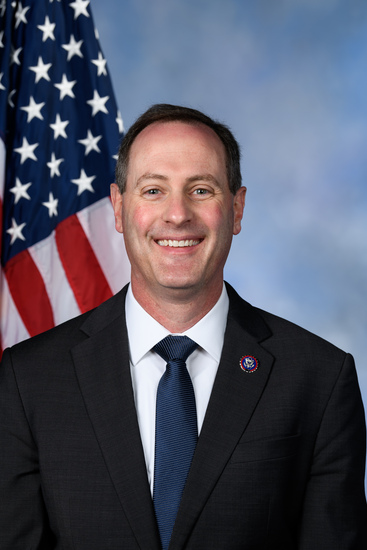
Rep. Tracey Mann
Sponsored bills
Maddy summaryThis bill expands the use of 529 college savings accounts to cover career training and credentialing costs. It allows funds to pay for tuition, fees, books, and testing expenses related to recognized postsecondary credential programs (like vocational certifications) that meet specific standards under the Workforce Innovation and Opportunity Act. The change directly affects workers seeking industry-recognized credentials - such as nursing certifications or IT certifications - instead of traditional degrees. It treats these expenses the same as traditional college costs for 529 account withdrawals, making it easier to save for career-focused training. The provision applies to expenses paid after the bill's enactment date.
Maddy summaryThe Modern, Clean, and Safe Trucks Act of 2023 would remove a 12-percent federal excise tax on new heavy trucks, tractors, and trailers. This tax, in place since 1917, adds $12,000 to $22,000 to the cost of a new truck and is argued to discourage replacing older, less efficient vehicles. The bill aims to lower costs for buyers - especially for electric and alternative-fueled trucks, which face higher upfront prices - by eliminating the tax, thereby encouraging adoption of newer, cleaner models. The repeal would apply to sales occurring on or after the bill's introduction date.
Maddy summaryThis bill renames the Bureau of Consumer Financial Protection as the Consumer Financial Protection Commission and updates its governance structure. It establishes a 5-member Commission (with no more than 3 from the same political party), sets staggered 5-year terms for members, and designates a Chair as the principal executive officer. The bill requires all federal laws referencing the "Bureau" to instead cite the "Consumer Financial Protection Commission," affecting over a dozen statutes including the Dodd-Frank Act and mortgage disclosure laws. The changes are administrative, updating titles and references without altering the agency's regulatory authority or policy functions.
Maddy summaryThe TABS Act of 2023 would rename the Consumer Financial Protection Bureau (CFPB) to the Consumer Financial Empowerment Agency (CFEA) throughout U.S. federal law. This bill would change the agency's name in the Consumer Financial Protection Act of 2010 and over 25 other federal statutes, including the Dodd-Frank Act and Truth in Lending Act. The bill does not alter the agency's responsibilities, authority, or budget structure - only its name. This is a procedural change affecting all federal documents, regulations, and references to the agency.
Maddy summaryHR 1388 authorizes the minting of commemorative coins to honor the 1865 Sultana steamboat disaster, the deadliest maritime tragedy in U.S. history. It specifies three coin types ($5 gold, $1 silver, and half-dollar) with defined weights and compositions, to be sold at face value plus surcharges ($35, $10, and $5 per coin, respectively). All surcharges collected will fund the Sultana Historical Preservation Society for museum development, including exhibits, artifact preservation, and facility construction. The coins are legal tender but intended for collectors, with sales limited to a one-year period starting January 2023.
Maddy summaryThis bill requires the President to assess the inflation impact of major executive orders before issuing them. For any executive order projected to cost at least $1 billion annually in budget effects (excluding emergency relief, national security actions, or treaty implementation), the President must prepare a statement estimating its effect on inflation - whether it has no impact, quantifiable impact, or significant but undeterminable impact. Federal agencies must provide necessary data to support this assessment, and the President must submit an annual report to Congress detailing all such assessments. The bill does not change inflation policy but mandates a new procedural review for major executive actions.
This resolution supports the designation of National FFA Week. It also (1) recognizes the important role of the National FFA Organization (Future Farmers of America) in developing the next generation of leaders who will change the world, and (2) celebrates the 90th anniversary of the iconic FFA jacket.
Maddy summaryThe Military Spouse Hiring Act expands the Work Opportunity Tax Credit to include military spouses. Employers who hire a spouse of an active-duty military member - certified by a local agency as meeting eligibility requirements on the hiring date - can claim this tax credit. The credit reduces the employer's federal tax liability for hiring such individuals. This provision applies to new hires after the bill's enactment date.
Maddy summaryHR 1310 (SHARE Act) requires the FBI to share criminal history records with state licensing agencies when needed for professional licensing checks across state lines through existing interstate compacts. It directly affects state licensing boards (like those for nurses or contractors) and individuals applying for licenses in multiple states. The bill mandates that states use this data *only* for license applications and prohibits sharing it with other agencies or the public, while allowing a simple "pass/fail" notification to the compact’s governing body.