

Maddy summaryHR 6344, the Simon Crosier Act, requires Medicare and Medicaid providers to establish written policies for do-not-resuscitate (DNR) orders involving unemancipated minors (under 18 without legal independence). It mandates that providers must inform at least one parent or legal guardian in person or by phone (with 72 hours of effort) before considering a DNR, allow parents/guardians to refuse consent, and prohibit overriding parental objections to life-sustaining treatment. The bill also requires providers to continue life-sustaining care for 15 days if a parent requests a transfer and explicitly prohibits using disability as the sole basis for DNR decisions. These requirements apply to all Medicare/Medicaid-covered facilities and directly affect minors, their parents, and healthcare providers.
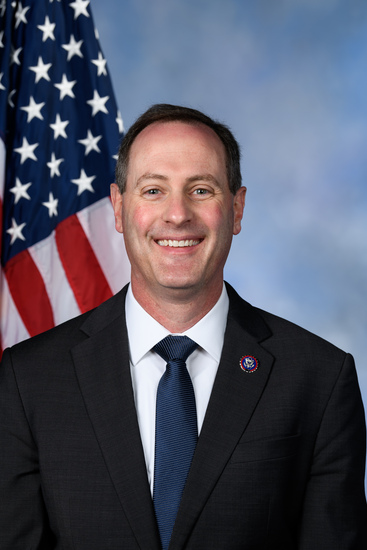
Rep. Tracey Mann
Sponsored bills
Maddy summaryThe Maximum Pressure Act (HR 6114) is a legislative proposal that would maintain and expand U.S. sanctions against Iran. The bill would codify existing sanctions, require Iran to meet 12 specific conditions before sanctions could be lifted (including ending support for terrorism, releasing hostages, and ending nuclear enrichment), and expand sanctions on Iran's Revolutionary Guard Corps and missile programs. It also establishes new reporting requirements for the U.S. government to monitor Iran's activities and the impact of sanctions. The legislation would require congressional review before any sanctions could be lifted or modified, preventing the executive branch from unilaterally easing restrictions.
Maddy summaryThis bill, titled "Freezing HAMAS Act" (though it concerns Iran sanctions, not Hamas), reinstates U.S. sanctions on Iran that were previously waived or suspended under agreements with Iran. It specifically targets sanctions from the 2012 Iran Freedom and Counter-Proliferation Act and the 2012 National Defense Authorization Act, including a September 2023 waiver related to fund transfers. The bill prohibits the U.S. government from releasing funds or assets to Iran or granting further waivers related to these sanctions. It directly affects U.S. government actions regarding Iran financial transactions and enforcement of existing sanctions.
Maddy summaryHR 5840, the Transportation Security Screening Modernization Act of 2024, simplifies the process for transportation workers to obtain multiple TSA security credentials. It requires the TSA to allow individuals to apply for and renew programs like the TWIC (Transportation Worker Identification Credential) and HAZMAT Endorsement through a single enrollment at any TSA center, with a combined fee lower than separate applications. The bill mandates coordinated expiration dates for all credentials and ensures state-issued commercial driver's licenses reflect the correct HAZMAT endorsement validity. These changes aim to reduce duplication and costs for workers needing multiple security clearances. The TSA must implement these changes within two years and publish details online.
Maddy summaryThis bill, HR 5796, prohibits the Department of Health and Human Services from implementing a proposed rule requiring minimum staffing levels in nursing homes. It creates an advisory panel of 15 members - including rural nursing home staff and experts - to study workforce shortages and report on access barriers for seniors, especially in rural areas. The panel must submit an initial report within 60 days, analyzing staffing challenges and recommending solutions to strengthen the nursing home workforce. These provisions directly aim to prevent nursing home closures (like the 129 that occurred in 2022) that threaten rural seniors’ access to care.
Maddy summaryThis bill establishes an Agricultural Trade Enforcement Task Force to address foreign trade barriers harming U.S. agricultural exports, specifically targeting India's WTO-violating price support programs for rice, wheat, and other commodities. The Task Force, led by the U.S. Trade Representative and Agriculture Department, must identify systemic trade barriers, develop enforcement strategies, and file a WTO dispute against India within 60 days of consultations if needed. It requires quarterly reports to Congress on progress, including a specific plan to challenge India's subsidies that exceed WTO limits (e.g., rice supports at 93.9% of production value). The bill directly affects U.S. farmers, ranchers, and exporters who face market access barriers due to these foreign subsidies.
Maddy summaryThis bill makes permanent Medicare coverage for telehealth services provided by Federally Qualified Health Centers (FQHCs) and Rural Health Clinics (RHCs), including audio-only visits. It directly affects Medicare beneficiaries who use these services and the FQHCs/RHCs delivering them by removing location restrictions - allowing telehealth visits to occur regardless of the patient's geographic location. Key provisions include permanently covering audio-only telehealth (previously temporary), treating telehealth visits as equivalent to in-person visits for payment, and ensuring costs for telehealth are included in FQHC/RHC payment calculations. These changes simplify access to telehealth for rural and underserved communities while maintaining consistent Medicare reimbursement for providers.
Maddy summaryThe DRA of 2023 adjusts Medicare payment rates for specific durable medical equipment (DME) items that were part of the 2021 competitive bidding program but for which no supplier contracts were finalized. It directly affects DME suppliers and Medicare beneficiaries by establishing a new 2024 payment formula: 90% of the adjusted payment amount plus 10% of the unadjusted fee schedule for eligible items. The bill also extends a temporary transition rule for non-rural areas through December 31, 2024, while delaying a regulatory change until 2025. These provisions aim to stabilize payments for DME items that did not transition to standard pricing under prior rules.
Maddy summaryHR 5408, the SSI Savings Penalty Elimination Act, increases the resource limits for Supplemental Security Income (SSI) program eligibility. It raises the individual resource limit from $2,250 to $20,000 (and the couple limit from $1,500 to $10,000) for 2023, with future annual increases tied to inflation using the Consumer Price Index. This change directly affects low-income SSI recipients who currently lose benefits if their savings exceed the current thresholds. The key mechanism is raising these savings limits to reduce the "penalty" for saving modest amounts, while maintaining program integrity through automatic inflation adjustments.
Maddy summaryHR 5213 requires Medicare Advantage plans, Part D drug plans, and Medicare Administrative Contractors to base prior authorization decisions on evidence-based medical necessity standards, not arbitrary rules. It mandates input from practicing physicians when creating coverage rules, requires clear public posting of all preauthorization requirements on websites, and demands that coverage denials be reviewed by licensed physicians in the relevant specialty. This affects Medicare beneficiaries (primarily seniors and people with disabilities) by reducing arbitrary coverage denials for necessary care, while directly impacting healthcare providers and Medicare plans through new transparency and review requirements. The bill aims to streamline access to covered services by making coverage decisions more consistent, transparent, and clinically grounded.