

Maddy summaryHR 563 requires the Bureau of Alcohol, Tobacco, Firearms and Explosives (ATF) to destroy all firearm transaction records from discontinued businesses within 90 days of the law's enactment. It also amends a federal law to prevent future registration of such transactions by removing language that required these records to be delivered to the Attorney General. The bill mandates that the ATF submit a report to Congress detailing how many records were destroyed. This legislation directly affects ATF record-keeping procedures, not individual gun owners or firearm ownership rights.
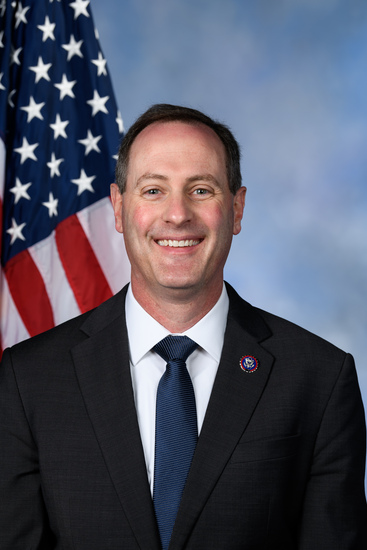
Rep. Tracey Mann
Sponsored bills
Maddy summaryHR 502, the Protecting Infrastructure Investments for Rural America Act, modifies the rural surface transportation grant program under Title 23, U.S. Code. It redefines "small community" as areas outside urbanized zones with populations of 5,000 or less (down from 200,000), and requires that 5% of annual program funds support projects in these communities. The bill increases the federal share for eligible projects in small communities to 90% and mandates that projects must benefit economic development or quality of life in the community. These changes directly affect rural areas and small towns by prioritizing infrastructure funding for the smallest communities.
Maddy summaryHRES 50 is a symbolic resolution, not a bill with policy changes. It declares that states bordering Mexico have the constitutional right under Article I, Section 10 to defend against "paramilitary, narco-terrorist cartels" and criminal actors at the southern border. The resolution states that states like Texas, Arizona, New Mexico, and California were "invaded" or faced "imminent danger" from these groups from 2021-2024, and that the federal government failed to protect them. It makes no new laws or allocate funds - only asserts a constitutional interpretation for states to act unilaterally. (Note: This is a procedural resolution; no concrete policy change is enacted.)
Chiropractic Medicare Coverage Modernization Act of 2025 This bill expands Medicare coverage of chiropractic services to include all services provided by chiropractors, rather than only subluxation corrections through manual manipulation of the spine.
This bill increases the annual limit on the tax credit for qualified railroad track maintenance expenses (also referred to as the short line railroad tax credit) and expands eligibility for claiming the credit. Under current law, the tax credit is limited each tax year to $3,500 multiplied by the sum of the number of miles of railroad track owned or leased by the taxpayer (miles owned or leased) and the number of railroad track miles assigned to the taxpayer by a Class II or III railroad (miles assigned). This bill increases the annual limit to $6,100 multiplied by the sum of miles owned or leased and miles assigned. The $6,100 amount used in the calculation of the tax credit limit is adjusted for inflation for tax years beginning after 2025. The bill also expands eligibility for the tax credit to include gross expenses for maintaining railroad tracks owned or leased as of January 1, 2024. Under current law, the tax credit is limited to gross expenses for maintaining railroad tracks owned or leased as of January 1, 2015.
Maddy summaryThis bill makes a 2021 Small Business Administration (SBA) rule permanent, requiring equal treatment for religious organizations in SBA loan and disaster assistance programs. It directly affects faith-based groups applying for SBA financial support, ensuring they cannot be excluded solely due to religious affiliation. The key provision incorporates the existing SBA rule - issued January 19, 2021 - into law without creating new requirements. This policy change ensures religious organizations have the same access to federal small business programs as other entities.
Maddy summaryHR 526, the Declaration of Energy Independence Act, reduces costs for oil and gas leaseholders on federal lands. It lowers royalty rates from 16.67% to 12.5%, cuts minimum bids from $10 to $2 per acre, and adjusts annual rental rates (from $3-$15 to $1.50-$2 per acre). The bill also creates new noncompetitive leasing options for existing leases meeting production thresholds (e.g., 15 barrels/day oil or 60,000 ft³/day gas), allowing continued operation without bidding. These changes directly affect companies holding federal oil/gas leases, particularly those with older leases or low-production sites.
Maddy summaryHR 431, the "Pony Up Act," requires the United States Postal Service (USPS) to reimburse citizens for fees or penalties incurred due to late delivery of their bills or payment notices. If a bill notice is delivered late (defined as USPS receiving mail more than 12 days before the due date but delivering it less than 6 days before the due date), USPS must pay the full amount of late fees charged to the citizen. Citizens can apply for reimbursement online, by mail, or in person at post offices, with appeals available to a Judicial Officer if denied. The bill also mandates annual USPS reports to Congress on mail delivery delays, including data on different mail classes and presorting effects. This directly affects citizens who face late fees due to USPS delivery errors.
Maddy summaryHR 404, the "Hearing Protection Act," reclassifies firearm silencers (devices that reduce gunfire noise) as firearms for federal tax and regulatory purposes. It imposes a 10% federal tax on silencers, requires the destruction of all existing federal silencer registration records within one year, and preempts state laws that tax or regulate silencers. The bill clarifies that silencers are treated as firearms under federal law, including for licensing and marking requirements, and defines "firearm silencer" to include specific components. Note: The bill’s title is misleading - it addresses firearm silencer regulation, not hearing protection for people.
Maddy summaryHCONRES 3 is a symbolic congressional resolution expressing support for the Geneva Consensus Declaration, an international agreement signed by 39 countries that affirms women’s health, family protection, and opposes international abortion rights. It urges the U.S. to rejoin the declaration, which emphasizes that no country has an obligation to fund or facilitate abortion and that families are foundational to society. The resolution does not create new laws but reaffirms existing U.S. policies prohibiting federal funding for abortions or coercive family planning abroad. It directly affects U.S. foreign policy direction but has no binding effect on government actions.