

Maddy summaryThis resolution recognizes June 19, 2024, as Juneteenth Independence Day, acknowledging its historical significance as the anniversary of the end of slavery in the U.S. (specifically referencing Union soldiers' announcement in Galveston, Texas, on June 19, 1865). It does not create new policy but formally encourages all Americans to observe the day through ceremonies and educational activities. The resolution emphasizes Juneteenth's role in honoring African American freedom and its importance to U.S. history and cultural heritage. It follows the 2022 law that established Juneteenth as a federal holiday, focusing solely on symbolic recognition and annual observance.
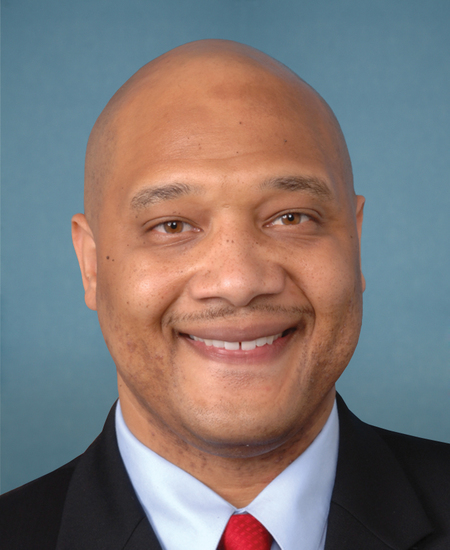
Rep. André Carson
Sponsored bills
Maddy summaryHRES 1304 is a symbolic resolution designating June 19, 2024, as "World Sickle Cell Awareness Day" to raise public awareness about sickle cell disease (SCD) globally. It does not create new laws but urges increased focus on SCD research, early detection screenings, equitable access to treatments, and preventative care programs for those affected. The resolution specifically calls on the Department of Health and Human Services to develop global policies supporting newborn screening and treatment access, and recommends forming an interagency group to address barriers in Medicare/Medicaid for SCD therapies. It directly affects public awareness efforts and healthcare policy discussions for the estimated 100,000 SCD patients in the U.S. and millions worldwide, particularly in communities disproportionately impacted by the disease.
Maddy summaryThis resolution (HRES 1309) calls for federal recognition and support of freedmen's settlements - historical Black communities established by formerly enslaved people after emancipation - by preserving their history and investing in their revitalization. It specifically targets communities like Sand Branch, Texas (facing water contamination and poverty) and Africatown, Alabama (struggling with industrial pollution), which have endured systemic disinvestment and environmental hazards. Key provisions include urging federal agencies (like the EPA and HUD) to coordinate funding for historic preservation, economic justice initiatives, and infrastructure improvements, while prioritizing community-led efforts to protect against gentrification and pollution. The resolution does not create new laws but sets a framework for collaboration to address long-standing inequities in these historically marginalized communities.
Maddy summaryThis bill designates Eid al-Adha and Eid al-Fitr as official public holidays for federal employees. It amends federal law to require the Office of Personnel Management (OPM) to determine the annual dates for these holidays based on the Islamic calendar and publish them publicly. The bill directly affects federal workers and agencies, granting them paid time off on these days. Key provisions include OPM's annual determination of dates and the specific definition of "Eid Day" as the first day of each Eid holiday.
Maddy summaryHR 8760, the Reverend James Lawson, Jr., Congressional Gold Medal Act, authorizes the awarding of a Congressional Gold Medal to Reverend James Lawson, Jr., in recognition of his lifetime contributions to the civil rights movement and nonviolent activism. The bill directs the Treasury Secretary to strike a gold medal bearing his name and image, with bronze duplicates available for sale to cover production costs. This ceremonial honor, intended to commemorate his role in key movements like the Nashville sit-ins, Freedom Rides, and the March on Washington, does not create new laws or affect any government programs or individuals beyond the medal's presentation.
Maddy summaryThis bill creates designated dog relief areas on the U.S. Capitol Grounds for visitors and staff with dogs. It requires dog owners to dispose of waste in sealed bags placed in trash receptacles, with fines of up to $100 for first violations and $500 for repeat offenses enforced by Capitol Police. Collected fines fund Capitol Grounds maintenance. The bill directly affects Capitol visitors, staff, and Capitol Police, and mandates that relief area designs follow ADA accessibility standards while preserving historic character.
Maddy summaryThis bill requires employers to provide safety warnings and materials in English and a language workers actually understand, tailored to their literacy level and education. It directly affects workers with limited English proficiency (including those whose native language differs from English or who live in non-English-speaking communities) in workplaces like agriculture and service industries. Key provisions include amending OSHA to mandate multilingual safety information, directing the Labor Secretary to update safety standards within 180 days, and creating competitive grants to fund translation services for covered workers. Grants prioritize organizations serving migrant workers or those in agriculture/service sectors, with reporting requirements to track assistance.
Maddy summaryHR 8732, the Domestic Workers Bill of Rights Act, would establish new labor protections for domestic workers including nannies, housekeepers, and caregivers who work in private homes. The bill requires written agreements between employers and domestic employees, provides earned sick days, ensures fair scheduling practices, and prohibits unfair wage deductions for cash shortages or communications. It also creates a Domestic Employee Standards Board to recommend workplace standards and establishes a National Domestic Employee Hotline for assistance. The bill specifically targets domestic workers who have historically been excluded from labor protections under the Fair Labor Standards Act and Civil Rights Act, benefiting an estimated 2.2 million domestic workers in the U.S. who are disproportionately women of color and immigrants.
Maddy summaryHR 8722 establishes a new entitlement program guaranteeing housing choice vouchers (HCVs) for homeless youth and young adults aged 18-30 (or emancipated minors) who qualify under existing HCV rules. It directly affects approximately 4.2 million annually experiencing homelessness, particularly in marginalized communities, by removing systemic barriers like long wait times (132-140 days) and restrictive eligibility. Key provisions include requiring HUD to fund vouchers for eligible households starting in 2026, mandating support services (housing navigation, job training, safety planning), ensuring housing choice without discrimination based on credit or background, and protecting privacy and immigration status. The bill also requires HUD to improve language access for limited English proficiency applicants through translation services and a dedicated resource center.
Maddy summaryThis bill allows veterans who served between 1944 and 1977 (and never used VA home loan benefits) to transfer those benefits to family members. Living veterans can transfer benefits to spouses, children, grandchildren, or other direct descendants. For deceased veterans who served in that period and never used benefits, the VA will transfer benefits to eligible family members who apply within 10 years of the law's enactment. Legatees receive full benefits immediately but cannot transfer them further and must still pay applicable fees. The bill updates VA definitions to treat transferred-benefit recipients as "veterans" for home loan purposes.