

Maddy summaryThis resolution (HRES 1558) is a symbolic House of Representatives measure supporting October as "National Domestic Violence Awareness Month." It does not create new laws or allocate funding but formally expresses the House's support for raising awareness about domestic violence and its impacts, and urges continued backing for existing programs that address domestic violence. The resolution cites statistics on domestic violence prevalence (e.g., 24 people per minute affected by intimate partner violence) to underscore the importance of the observance. It directly affects public awareness efforts but does not change policies or directly impact individuals.
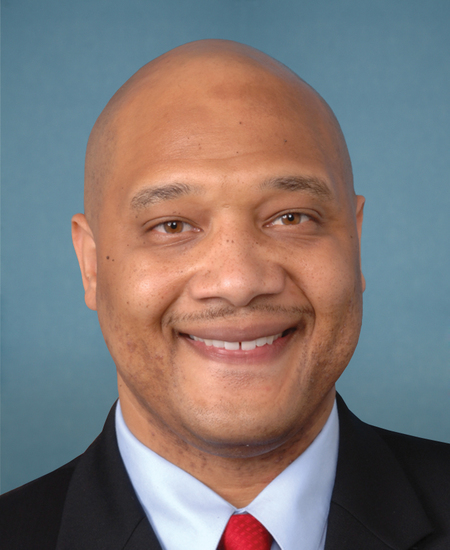
Rep. André Carson
Sponsored bills
Maddy summaryHRES 1555 is a symbolic House resolution condemning the spread of false claims and malicious rumors about disaster response efforts, which have led to credible threats against FEMA personnel and disrupted aid for survivors. It specifically references incidents after Hurricanes Helene and Milton, including a pause in North Carolina door-to-door assistance due to safety threats and antisemitic targeting of officials. The resolution formally condemns those spreading disinformation for political gain and commits Congress to supporting FEMA’s efforts to combat misinformation and promote accurate recovery information. As a non-binding resolution, it does not create new laws but expresses congressional support for protecting disaster response workers and ensuring survivors receive timely aid.
Maddy summaryThis bill establishes the Advisory Council on African Diaspora Engagement within the U.S. Department of State. The council, composed of up to 12 members representing diverse African American and African immigrant communities, advises the Secretary of State on strengthening U.S. government connections with the African diaspora in the United States. Key functions include recommending strategies to advance equity, support UN initiatives, expand cultural and economic programs (like the Young African Leaders Initiative), and foster diaspora engagement in trade and development. The council meets quarterly, reports to relevant congressional committees, and operates using existing Department of State funding.
Maddy summaryThe Victims of Agent Orange Relief Act of 2024 would provide medical care, environmental remediation, and support services for people affected by Agent Orange exposure during the Vietnam War. The bill directly affects Vietnamese residents exposed to Agent Orange (including those living near contaminated areas), their children and descendants, Vietnamese Americans, and American veterans' families, particularly expanding VA benefits to cover birth defects for children of male veterans (previously limited to children of female veterans). Key provisions include creating new USAID programs for medical care, housing repairs, and environmental cleanup at Agent Orange hotspots, requiring health assessments for Vietnamese Americans, and mandating research into intergenerational effects. The bill sets implementation deadlines for federal agencies (180 days for plans, 18 months for full implementation) and expands VA benefits to address gaps in current support. This legislation aims to address longstanding gaps in assistance for victims across Vietnam, Laos, Cambodia, and the United States affected by Agent Orange exposure.
Maddy summaryThis bill amends VA policy to allow headstones or markers for cremated veterans buried alongside other eligible veterans. It specifically permits the VA to provide such markers when the cremated veteran shares a burial site with another eligible veteran (per 38 U.S.C. §2402(a)), the marker includes both individuals' names, and the cost does not exceed current limits. The change directly affects cremated veterans interred with other eligible veterans at VA cemeteries. It does not expand eligibility but adjusts how existing markers are provided under specific conditions.
Maddy summaryThe VA Employee Fairness Act of 2024 modifies collective bargaining rules for employees of the Veterans Health Administration (VHA). It removes existing subsections (b), (c), and (d) from the law governing VHA employee bargaining and renumbers the remaining provision. This change streamlines the collective bargaining framework but does not alter the Secretary of Veterans Affairs' existing authorities over incentive pay and expedited hiring. The bill directly affects VHA employees by changing how their collective bargaining rights are structured under federal law. The law remains neutral, focusing solely on procedural adjustments to the existing bargaining framework.
Maddy summaryHRES 1539 is a symbolic resolution recognizing certified nurse-midwives (CNMs) and certified midwives (CMs) for their role in providing maternal and women’s health care. It acknowledges their contributions during National Midwifery Week (October 6-12, 2024), highlighting their work in rural and underserved communities where they attend over 30% of rural births. The resolution does not create new laws or alter funding; it simply formally recognizes CNMs/CMs as essential providers of evidence-based care for women and childbearing families. It encourages broader awareness of their credential and profession through National Midwifery Week activities.
Maddy summaryThis bill removes a key barrier preventing student loan debt from being discharged in bankruptcy. It amends the U.S. Bankruptcy Code by eliminating the exception that previously made most federal student loans non-dischargeable, meaning borrowers could not erase this debt through bankruptcy proceedings. The change applies only to bankruptcy cases filed on or after the bill's enactment date, affecting new cases where student loan borrowers may now seek relief. This is a procedural change to bankruptcy law, not a direct loan forgiveness or repayment program.
Maddy summaryHRES 1462 is a symbolic resolution supporting the designation of September 16-20, 2024, as "Malnutrition Awareness Week." It does not create new laws or funding but recognizes the significance of malnutrition as a public health issue affecting vulnerable groups, including older adults, children, and communities of color. The resolution highlights existing programs like the Older Americans Act and Federal child nutrition initiatives, while encouraging awareness and access to nutrition services. It serves as a non-binding acknowledgment of malnutrition's impact and ongoing efforts to address it.
Maddy summaryHRES 1525 is a non-binding resolution calling for the U.S. government to address policies contributing to forced migration and displacement. It urges reforms such as overhauling economic sanctions, investing in developing countries to reduce poverty and instability, and reforming trade agreements to protect workers. The resolution also calls for expanding legal immigration pathways, improving asylum processing, and creating a roadmap to citizenship for immigrants living in the U.S. As a resolution, it does not create new laws but sets policy priorities for future legislative action.