

Maddy summaryHR 4119 requires the U.S. State Department to submit a detailed report within 180 days of enactment on the Polisario Front’s leadership, military activities, and ties to Iran, Russia, Hezbollah, the IRGC, and the PKK. It also mandates that the State Department and Treasury submit within 90 days whether the Polisario Front meets criteria for designation as a foreign terrorist organization or for sanctions under existing laws. The bill establishes a process for potential sanctions but includes a waiver if the Polisario Front engages in good-faith negotiations toward Morocco’s 2007 autonomy plan for Western Sahara. This legislation focuses on gathering evidence for future designations rather than immediately imposing sanctions. It directly affects U.S. foreign policy decisions regarding the Polisario Front and Western Sahara.
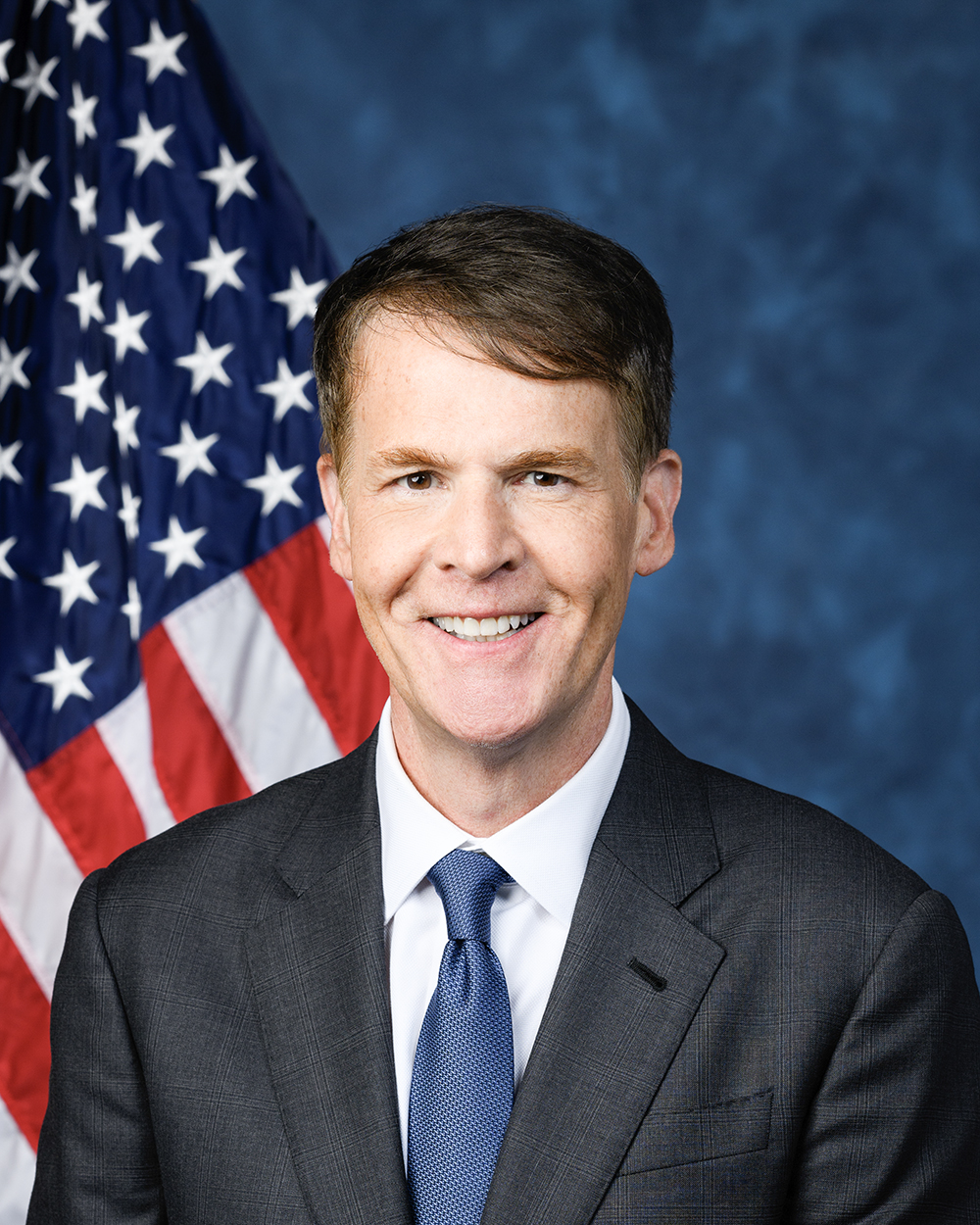
Rep. Jefferson Shreve
Sponsored bills
Maddy summaryThe LEDGER Act (HR 4091) requires the Treasury Department to create a system tracking every government payment within 180 days of enactment. It mandates that all federal departments, agencies, and branches (executive, legislative, judicial) must report disbursements from every funding source, including how long funds remain available for spending. This system will detail each payment's origin, recipient, and timing across all government accounts. The bill directly affects all federal spending entities by standardizing expenditure tracking previously handled inconsistently.
Maddy summaryThe GOLDEN DOME Act of 2025 establishes a comprehensive homeland missile defense system designed to protect U.S. citizens and critical infrastructure from ballistic, hypersonic, cruise, and unmanned system threats. The bill creates a new Golden Dome Direct Report Program Manager with significant authority to accelerate development, testing, and deployment of integrated missile defense capabilities across all domains (land, sea, air, space, and cyberspace). It requires a holistic strategy with all-domain awareness, mandates accelerated testing schedules including live-fire exercises, and allocates specific funding for components like space-based sensors, interceptors, and command and control systems. The legislation also includes provisions to protect the space industrial base and secure critical supply chains for missile defense systems.
Maddy summaryHR 3972, the Highway Funding Flexibility Act of 2025, redirects unobligated funds from two existing federal highway programs to allow states greater flexibility in how they use these resources. Specifically, it permits states to use unused funds from the National Electric Vehicle Infrastructure Formula Program and charging/fueling infrastructure grants for highway construction, bridge repairs, wildlife crossing projects, commercial vehicle parking, and related engineering - instead of being restricted to EV charging infrastructure. The bill requires that these funds be distributed to states based on their standard highway funding apportionment and ensures they remain available for their intended highway purposes without new obligation limits. This change affects states receiving federal highway funds who have unobligated balances from these specific programs.
Maddy summaryHR 3934, the Water Quality Standards Attainability Act, amends the Clean Water Act to make water quality standards more achievable for states and communities. It requires states to review standards for water bodies receiving combined sewer discharges, specifically assessing cost-effective controls for overflows, and mandates that the EPA consider the cost and availability of treatment technologies when developing water quality criteria. This directly affects states setting water quality standards and the EPA in its regulatory role. The bill aims to ensure that pollution control requirements are practical and feasible for municipalities and utilities.
Maddy summaryHR 3946, the FIGHT Act of 2025, amends the Animal Welfare Act to specifically prohibit gambling on animal fighting events and restrict the interstate transport of roosters used in such ventures. It defines "rooster" as male chickens over six months old and makes it unlawful to sponsor, exhibit, attend (for those under 16), or gamble on animal fighting events - whether in-person or broadcast. The bill creates a civil enforcement mechanism allowing any person to file a lawsuit to stop violations after providing 60 days' notice to authorities, with potential fines up to $5,000 per violation. It also establishes seizure of property used to facilitate violations and clarifies that state laws on animal fighting remain in effect unless directly conflicting with federal provisions.
Maddy summaryHR 3787, the Emergency Spending Accountability Act, requires the Office of Management and Budget to implement mandatory spending cuts equal to 20% of all emergency spending approved in a fiscal year. These cuts would occur over five years (starting October 1 of the next fiscal year) and apply to most federal programs, though they exempt Social Security benefits, national defense (budget function 050), Department of Veterans Affairs programs, and Medicare. The bill also mandates that any congressional measure containing emergency spending must include a detailed justification explaining why the spending qualifies as "emergency" under existing budget laws. This aims to create accountability for spending that bypasses standard budget limits.
Maddy summaryHR 3870, the COAL POWER Act, repeals a specific Environmental Protection Agency (EPA) rule issued on May 7, 2024, which set emission standards for coal- and oil-fired power plants. This bill directly affects coal and oil-fired electric utilities by removing their requirement to comply with that particular EPA regulation (89 Fed. Reg. 38508). The key mechanism is a straightforward repeal, treating the rule as if it never took effect. The bill does not create new rules or alter existing environmental standards beyond this specific EPA action.
Maddy summaryThis resolution (HRES 488) is a symbolic House of Representatives statement condemning an antisemitic terrorist attack in Boulder, Colorado, on June 1, 2025. It specifically denounces Mohammed Sabry Soliman for attacking peaceful demonstrators supporting Hamas hostage release with Molotov cocktails, injuring 14 people (including a Holocaust survivor). The resolution affirms the importance of law enforcement cooperation to prevent such attacks but does not create new laws or policies. As a non-binding resolution, it expresses condemnation and gratitude to law enforcement without altering immigration or security procedures.
Maddy summaryHRES 481 is a symbolic resolution condemning recent antisemitic attacks in the U.S., specifically referencing the June 1, 2025, Boulder, Colorado, assault on a Jewish community gathering and other incidents like the May 2025 Washington, D.C., embassy shooting. It formally recognizes a pattern of violence targeting Jewish individuals and institutions, including attacks during religious events. The resolution calls on law enforcement to thoroughly investigate and prosecute such incidents and urges elected officials to publicly oppose antisemitism and politically motivated violence. As a non-binding resolution, it does not create new laws or allocate funding but serves to affirm congressional stance against antisemitism.