

Women in Criminal Justice Reform Act This bill establishes programs and requirements to address the health and wellness of women in the criminal justice system. For example, the bill requires the Bureau of Prisons to (1) ensure that all incarcerated women have access to basic standards of health care specific to their needs, and (2) develop and implement gender-responsive training for its officers and employees.
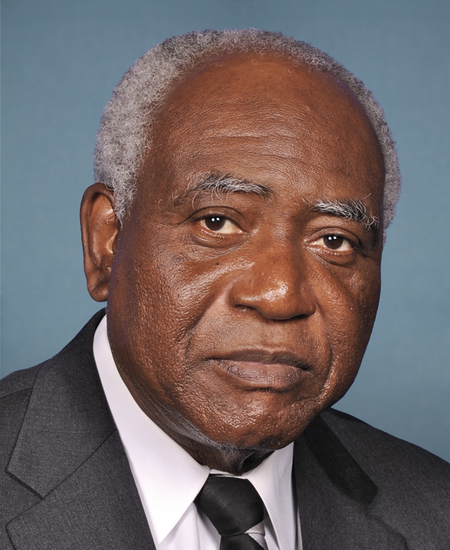
Rep. Danny K. Davis
Sponsored bills
Stopping Harmful Image Exploitation and Limiting Distribution Act of 2022 or the SHIELD Act of 2022 This bill establishes a new criminal offense related to the distribution of intimate visual depictions. Specifically, it makes it a crime to knowingly distribute (or intentionally threaten to distribute) an intimate visual depiction of an individual (1) with knowledge of or reckless disregard for the individual's lack of consent and reasonable expectation of privacy, and (2) without a reasonable belief that distributing the depiction touches a matter of public concern. A violator is subject to criminal penalties—a fine, a prison term of up to two years for each individual victim depicted, or both.
Maddy summaryThis bill grants permanent residency to Igor Klyuchenko by waiving standard immigration requirements. It allows him to apply for an immigrant visa or adjust his status to lawful permanent resident within two years of the bill's enactment, with specific provisions for his entry date and fee payments. The bill also requires a reduction of two immigrant visas in his country's annual quota and prohibits his parents, siblings, and brothers from receiving preferential immigration benefits due to their relationship with him. This is a specific exception for one individual, not a general policy change.
Maddy summaryHR 6909 grants permanent resident status to Tetyana Zvarychuk by waiving standard immigration requirements under the Immigration and Nationality Act. It allows her to apply for an immigrant visa or adjust status within two years of the bill's enactment, with a reduction of two immigrant visas for her country of origin. The bill also explicitly denies immigration benefits to her parents, siblings, and brothers based on their relationship to her. This is a case-specific legislative measure for one individual, not a general policy change.
Maddy summaryThis bill grants permanent resident status (green card eligibility) to two specific individuals, Mykhaylo Gnatyuk and Melnik Gnatyuk, bypassing standard immigration rules. It allows them to apply for permanent residency within two years of the bill's enactment, and if approved, the U.S. will reduce the annual immigrant visa quota for their country of origin by two. The bill also explicitly prevents their parents, siblings, or other relatives from gaining immigration benefits based on their relationship to these individuals. This is a direct legislative exception for named persons, not a broad policy change.
Amir Locke End Deadly No-Knock Warrants Act This bill establishes requirements and restrictions related to the authorization and execution of warrants at the federal, state, and local levels.
Latonya Reeves Freedom Act of 2022 This bill prohibits government entities and insurance providers from denying community-based services to individuals with disabilities that require long-term service or support that would enable such individuals to live in the community and lead an independent life. Specifically, these entities may not discriminate against such individuals in the provision of community-based services by such actions as imposing prohibited eligibility criteria, cost caps, or waiting lists or failing to provide a specific community-based service. Additionally, community-based services must be offered to individuals with such disabilities prior to institutionalization. Institutionalized individuals must be notified regularly of community-based alternatives. The bill requires the Department of Justice to issue regulations requiring government entities and insurance providers to offer community-based long-term services to individuals with such disabilities who would otherwise qualify for institutional placement. Government entities must ensure sufficient availability of affordable, accessible, and integrated housing that is not a disability-specific residential setting or a setting where services are tied to tenancy. Regulations shall also (1) require government entities and insurance providers to perform self-evaluation on current services, policies, and practices and concerning compliance with requirements of this bill; and (2) require government entities to submit a transition plan. The bill provides funds for FY2022 for the Department of Health and Human Services to provide technical assistance with respect to transition plans. The bill allows civil actions by individuals subjected to, or about to be subjected to, a violation of its requirements.
Preventing Pretrial Gun Purchases Act This bill prohibits the sale or disposition of a firearm or ammunition to a person who is subject to a pretrial release order that prohibits the person from purchasing, possessing, or receiving firearms. It also establishes grants for states and Indian tribes to report information about pretrial release orders to the National Instant Criminal Background Check System.
Schedules That Work Act This bill provides employees with the right to request changes to their work schedules related to the number of hours they are required to work or be on call, the location of the work, the amount of notification about work schedule assignments, and fluctuations in work hours. Employers must negotiate in good faith with employees who make such requests and comply with certain work schedule notice and split shift pay requirements for retail, food service, cleaning, hospitality, or warehouse employees.
Maddy summaryThis bill grants permanent residency eligibility to Reverend Olusegun Samson Olaoye by bypassing standard immigration requirements under the Immigration and Nationality Act. It waives grounds for removal or denial of admission based on past records, requires an application within two years of enactment, and specifies that his family members (parents, siblings) will not receive immigration benefits due to their relationship. The bill is a specific, one-time exception for an individual, not a broader policy change.