

This joint resolution proposes a constitutional amendment authorizing Congress and the states to (1) regulate and impose reasonable viewpoint-neutral limitations on the raising and spending of money by candidates and others to influence elections; and (2) regulate and enact public campaign financing systems, including those designed to restrict the influence of private wealth by offsetting the raising and spending of money by candidates and others with increased public funding. The amendment grants Congress and the states the power to implement and enforce this amendment by legislation. They are allowed to distinguish between natural persons and corporations or other artificial entities created by law, including by prohibiting such entities from spending money to influence elections.
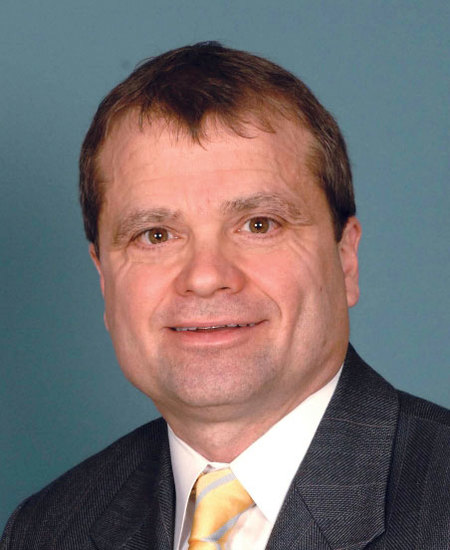
Rep. Mike Quigley
Sponsored bills
Maddy summaryHR 51, the Washington, D.C. Admission Act, would admit Washington, D.C. as the 51st state, named "Washington, Douglass Commonwealth," granting its residents full representation in Congress with two Senators and one Representative. The bill establishes procedures for admission, including elections for state officials, with the state initially having one Representative until the next congressional apportionment. It would create a "Capital" area (including the White House, Capitol, and other key federal buildings) that remains under federal jurisdiction as the seat of the U.S. government, while the rest of the District becomes the new state. The bill also includes provisions to ensure continuity of federal services, property management, and legal procedures during the transition to statehood.
Commission to Study and Develop Reparation Proposals for African Americans Act This bill establishes the Commission to Study and Develop Reparation Proposals for African Americans. The commission must (1) compile documentary evidence of slavery in the United States; (2) study the role of the federal and state governments in supporting the institution of slavery; (3) analyze discriminatory laws and policies against freed African slaves and their descendants; and (4) recommend ways the United States may recognize and remedy the effects of slavery and discrimination on African Americans, including through a formal apology and compensation (i.e., reparations). The commission consists of individuals from civil society and reparations organizations and individuals appointed by the President and congressional leadership; Members of Congress and governmental employees may not serve on the commission. The commission may hold hearings, subpoena witnesses and records, and contract with other entities to conduct its work. The commission must submit its final report within 18 months of its first meeting.
Maddy summaryHR 208, the Pet Safety and Protection Act of 2023, restricts where research facilities can obtain dogs and cats for laboratory use. It requires facilities to source animals only from licensed breeders, registered shelters meeting specific criteria, owners who've had the pet over a year, or other research facilities - banning purchases from pet stores or random sources. The bill amends the Animal Welfare Act to define permissible sources and imposes $1,000 fines per violation for non-compliance. It affects research facilities, shelters, and breeders by changing their legal sourcing options for animals used in research. The changes take effect 90 days after the bill becomes law.
Illegal Fishing and Forced Labor Prevention Act This bill sets forth and revises federal law concerning activities to combat human trafficking and illegal, unreported, or unregulated fishing in the seafood industry. The National Oceanic and Atmospheric Administration (NOAA) shall expand the Seafood Import Monitoring Program to apply to all seafood and seafood products imported into the United States. The Departments of Commerce, Homeland Security, Labor, and Health and Human Services must jointly execute a memorandum of understanding to codify and improve interagency cooperation on seafood safety, preventing illegal, unreported, or unregulated fishing and human trafficking, including forced labor, and seafood fraud prevention, enforcement, and inspections. NOAA shall engage with each flag, coastal, port, and market nation that exports seafood to the United States to collect information sufficient to evaluate the effectiveness of such nation's management of fisheries and control systems to prevent illegal, unreported, or unregulated fishing.
Environmental Justice For All Act This bill establishes several environmental justice requirements, advisory bodies, and programs and modifies the scope of environmental review under the National Environmental Policy Act of 1969. The bill sets forth provisions to address the disproportionate adverse human health or environmental effects of federal laws or programs on communities of color, low-income communities, or tribal and indigenous communities. It also prohibits disparate impacts on the basis of race, color, or national origin as discrimination. Aggrieved persons may seek legal remedy when faced with such discrimination. In addition, the bill directs agencies to follow certain requirements concerning environmental justice. For example, agencies must prepare community impact reports that assess the potential impacts of their actions on environmental justice communities under certain circumstances. It also raises coal, oil, and gas royalty rates to create a funding source to support fossil fuel-dependent communities and displaced workers as they transition away from fossil fuel industries. Additionally, the bill creates a variety of advisory bodies and positions, such as the White House Environmental Justice Interagency Council. Among other things, the council must issue an environmental justice strategy. It also establishes requirements and programs concerning chemicals or toxic ingredients in certain products. For example, the bill (1) requires certain products (e.g., cosmetics) to include a list of ingredients or warnings; and (2) provides grants for research on designing safer alternatives to chemicals in certain consumer, cleaning, toy, or baby products that have an inherent toxicity or that are associated with chronic adverse health effects. Finally, it creates a variety of funding programs, such as a grant program to enhance access to park and recreational opportunities in urban areas.
This act designates the facility of the United States Postal Service located at 301 East Congress Parkway in Crystal Lake, Illinois, as the Ryan J. Cummings Post Office Building.
This act designates the facility of the United States Postal Service located at 450 West Schaumburg Road in Schaumburg, Illinois, as the Veterans of Iraq and Afghanistan Memorial Post Office Building.
Uyghur Forced Labor Prevention Act This bill imposes various restrictions related to China's Xinjiang Uyghur Autonomous Region, including by prohibiting certain imports from Xinjiang and imposing sanctions on those responsible for human rights violations there. Goods manufactured or produced in Xinjiang shall not be entitled to entry into the United States unless U.S. Customs and Border Protection (1) determines that the goods were not manufactured by convict labor, forced labor, or indentured labor under penal sanctions; and (2) reports such a determination to Congress and to the public. The President shall periodically report to Congress a list of foreign entities and individuals knowingly facilitating (1) the forced labor of Uyghurs, Kazakhs, Kyrgyz, and members of other Muslim minority groups in Xinjiang; and (2) efforts to contravene U.S. laws regarding the importation of forced labor goods from Xinjiang. The President shall impose property-blocking sanctions on the listed individuals and entities and impose visa-blocking sanctions on the listed individuals. Securities issuers required to file annual or quarterly reports with the Securities Exchange Commission shall disclose in such reports instances in which the issuer knowingly engaged in certain activities related to Xinjiang, such as working with an entity building detention facilities or surveillance systems there. After such a disclosure, the President shall determine whether to investigate if sanctions or criminal charges are warranted. The Forced Labor Enforcement Task Force and the Department of State shall report to Congress strategies to address forced labor in Xinjiang or any other part of China. The State Department shall also report to Congress a determination of whether the treatment of Muslim groups in Xinjiang constitutes crimes against humanity or genocide under U.S. law.
GI Internship Program Act This bill requires the Department of Veterans Affairs (VA) to establish a program to match veterans who are entitled to educational assistance with internships to provide such veterans with work experience and marketable skills. The VA shall establish criteria that employers must meet to participate in the program. The following employers are excluded from participating in the program: (1) government agencies, (2) employers who cannot provide the VA with certain assurances, and (3) employers who have previously participated in the program and failed to abide by its requirements. The VA shall pay individuals who are full-time participants in such an internship the amount of educational assistance payable to those participating in a full-time apprenticeship or other on-job training programs. Interns shall be considered as employees of the VA, not the program employer, for purposes of the Patient Protection and Affordable Care Act. Additionally, each intern and employer shall provide the VA with a monthly certification that the intern worked at least 35 hours each week performing functions that provided the individual with valuable experience. The VA and the Department of Labor shall create and publicize a website to serve as a portal for the program. The VA shall (1) minimize the administrative burdens incurred by employers due to their participation in the program, and (2) ensure that employer participation is at no cost to the employer.