

Maddy summaryThis bill ensures continuous funding for SNAP (food assistance) and WIC (nutrition program for mothers/children) during government funding gaps. It authorizes emergency Treasury funds to cover SNAP/WIC benefits and reimburse states for costs if Congress fails to pass regular appropriations for the Department of Agriculture by September 30, 2025. The funding covers missed payments retroactively from September 30, 2025, through the bill’s enactment date, and continues until either regular appropriations pass or September 30, 2026. It directly affects low-income households relying on these programs and state agencies administering them during funding lapses.
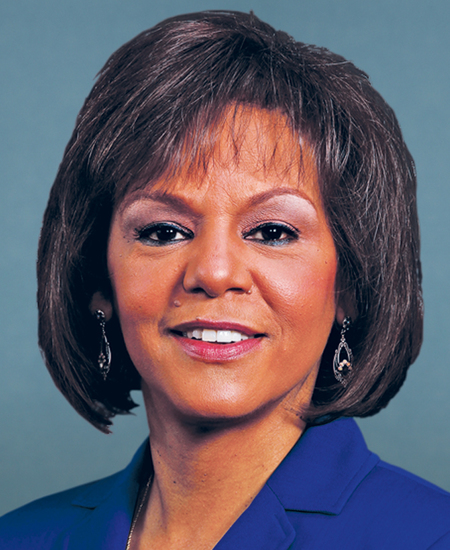
Rep. Robin L. Kelly
Sponsored bills
Maddy summaryThis bill, HR 5973, requires federal immigration enforcement personnel to follow strict limits on force use, including proportional application, mandatory de-escalation efforts, and prohibitions on equipment like flash bangs or rubber bullets except for specific public safety threats. It mandates body-worn and vehicle cameras for all operations, with footage retained for one year (three years for force incidents or complaints), and grants affected individuals the right to inspect recordings. The law also requires annual training on force policies, First Amendment compliance, and racial bias avoidance, while demanding detailed quarterly reports to Congress on force usage, assaults on agents, and equipment approvals. These provisions directly affect all federal immigration agents conducting enforcement actions, aiming to increase transparency and accountability during operations.
Maddy summaryThis joint resolution designates October 2025 as Head Start Awareness Month to symbolically recognize the program's 60-year impact. It highlights Head Start's service to over 40 million children and families nationwide, emphasizing its role in early childhood development, health screenings, and educational support. The resolution serves as a ceremonial acknowledgment of the program's legacy and achievements, not as a policy change or funding measure. It was introduced by multiple representatives to honor Head Start's contributions to child well-being and educational outcomes.
Maddy summaryHRES 846 is a symbolic resolution designating October 2025 as National Domestic Violence Awareness Month. It expresses the House's support for raising awareness about domestic violence and its impacts, and calls for continued congressional attention to ending domestic violence through existing programs. The resolution does not create new laws, allocate funding, or directly affect any specific groups - it is purely a statement of support. It references statistics on domestic violence prevalence but focuses on awareness rather than policy changes.
Maddy summaryThe American Energy Independence and Affordability Act extends multiple clean energy tax credits that were set to expire between 2025 and 2026. It specifically extends residential clean energy credits through 2034, clean electricity investment credits for wind and solar through 2032, and clean vehicle credits for electric vehicles through 2032. The bill also reinstates special rates for sustainable aviation fuel and modifies requirements for energy-efficient home improvements. These provisions directly affect homeowners installing solar panels, businesses investing in clean energy infrastructure, and manufacturers producing clean energy equipment.
Maddy summaryThis bill requires federal agencies to report detailed spending data on advertising contracts starting with the 2027 budget. Specifically, agencies must disclose total advertising expenditures and break down spending for contracts with women-owned, minority-owned, and socially/economically disadvantaged small businesses (as defined by law). The reporting applies to both past fiscal year spending and estimated future spending for each agency. This is a transparency measure focused solely on data collection, not on changing how contracts are awarded or funding levels.
Maddy summaryHCONRES 57 is a symbolic resolution honoring Wadee Alfayoumi, a 6-year-old Palestinian-American boy murdered in a hate crime in Illinois on October 14, 2023. It commemorates his life and condemns the perpetrator’s anti-Muslim, anti-Palestinian hate speech that led to his death. The resolution states that the U.S. has "zero tolerance for hate crimes, Islamophobia, anti-Semitism, and anti-Palestinian and anti-Arab discrimination." As a concurrent resolution, it does not create new laws or policies but serves to recognize the victim and affirm national principles against hate-based violence.
Maddy summaryThis resolution formally recognizes the vital role of Spanish-language media in serving over 41 million U.S. residents who speak Spanish at home. It affirms that access to Spanish-language news and entertainment is essential for community engagement, combating misinformation, and supporting democratic participation. The House resolution specifically commends Spanish-language media professionals and encourages policies that sustain this media sector, which provides culturally relevant information on elections, health, and civic life. As a symbolic gesture (not a law), it has no direct policy changes but highlights the sector's importance to Latino communities and national inclusivity.
Maddy summaryThis bill makes federal funding for the WIC program mandatory by requiring Congress to appropriate necessary funds annually for fiscal year 2026 and each subsequent year. It removes discretionary language from WIC funding requirements and clarifies that eligible participants must be served without participation limits. The bill directly affects low-income pregnant women, new mothers, and young children who rely on WIC for nutrition assistance, ensuring continued access to critical food, health, and education services.
Maddy summaryHR 5705 requires the federal government to reimburse state agencies for funds they use to maintain participation in the WIC program during a government shutdown. It directly affects states that cover WIC costs using their own money when federal funding lapses. The bill establishes a process where states can seek reimbursement from the federal government after the shutdown ends. This ensures states aren’t burdened with costs for a federal funding gap that impacts nutrition assistance for women, infants, and children.