

Maddy summaryHR 1806, the Small LENDER Act, reduces reporting burdens for small lenders by creating a phased transition period for new data collection rules under the Equal Credit Opportunity Act. It requires regulators to give qualifying small lenders a 3-year period to comply with new rules and a subsequent 2-year "safe harbor" period during which they aren’t penalized for non-compliance. A "small business lender" is defined as one originating at least 500 small business loans (defined as loans to entities with $1 million or less in annual revenue) in each of the two prior calendar years. This directly affects small lenders meeting these volume thresholds, easing their administrative burden without changing existing lending standards.
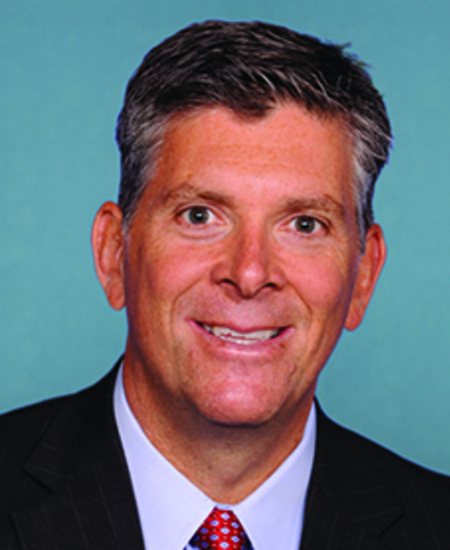
Rep. Darin LaHood
Sponsored bills
Maddy summaryHR 5, the Parents Bill of Rights Act, would require public schools receiving federal funding to provide parents with greater access to educational information. The bill mandates that schools post curricula online or widely distribute it to parents, include school budgets in report cards, and provide specific information about school activities including violent incidents and plans to eliminate gifted programs. It also guarantees parents the right to meet with teachers twice a year, review library materials, and address school boards. These requirements would apply to all local educational agencies and schools covered by the Elementary and Secondary Education Act. The bill amends existing education laws to strengthen parental transparency and involvement in their children's education.
Historic Tax Credit Growth and Opportunity Act of 2023 This bill increases the rehabilitation tax credit and modifies certain requirements for the credit. The bill increases the rate of the credit for qualified rehabilitation expenditures in taxable years beginning after December 31, 2020, and before January 1, 2028, after which the rate reverts to 20%. The bill increases the rate of the credit to 30% for certain small projects whose qualified rehabilitation expenditures do not exceed $2.5 million. The bill also expands the types of buildings eligible for rehabilitation by decreasing the rehabilitation threshold from 100% to 50% of project expenses. It also eliminates the basis adjustment requirement for the credit and modifies rules relating to tax-exempt use property eligible for the credit.
Maddy summaryThis bill creates a new visa category for temporary workers in mobile entertainment, such as carnival and circus staff who travel across the U.S. It directly affects carnival operators, seasonal workers, and food/concession vendors at fairs and festivals. The key provision requires Department of Labor certification to ensure U.S. workers are not displaced and that hiring foreign workers won’t lower wages or working conditions. It defines "mobile entertainment provider" to include traveling carnivals, circuses, and affiliated seasonal services like food concessions at local events.
Maddy summaryHR 1791, the Classified Documents Accountability Act, requires outgoing presidents to certify to the National Archives and Attorney General whether they retained classified documents before the new administration takes office. Failure to certify could result in loss of federal funding for office space/staff and up to a 50% reduction in pension payments. The bill also establishes civil penalties of up to $500,000 per violation for unauthorized removal or retention of classified materials. These provisions apply to all outgoing presidents except those serving a second consecutive term.
Maddy summaryHR 1637 establishes a Medicare pilot program called the Dementia Care Management Model to improve care for beneficiaries with Alzheimer's disease or related dementia. It requires participating providers to offer comprehensive services - including continuous monitoring, personalized care plans, medication management, and caregiver support - while excluding hospice care. Payments are made monthly based on patient needs (with pathways for uncomplicated vs. complex cases) and include quality-based bonuses, with no cost-sharing for beneficiaries. The model tests whether this approach improves health outcomes, care quality, and caregiver support while reducing Medicare spending, targeting Medicare beneficiaries not in nursing homes or hospice who meet specific diagnosis and enrollment criteria.
Maddy summaryHR 1622 prohibits federal agencies (like the Education Department and Treasury) from canceling student loans on a large scale, except for existing programs under the Higher Education Act of 1965. It blocks agencies from modifying loan terms, forgiveness, or repayment without explicit congressional approval, and repeals certain existing loan forgiveness provisions. The bill also prevents using tax data to administer unapproved student loan cancellation plans. This directly affects how federal agencies manage student debt relief and limits new forgiveness initiatives.
Maddy summaryThis bill amends the Clean Air Act to modify how the EPA handles waivers for ethanol in gasoline, specifically regarding "Reid Vapor Pressure" (a measure of fuel evaporation). It simplifies the process for fuel retailers to introduce certain ethanol blends into commerce by allowing them to meet vapor pressure standards through existing vehicle certification or approved waivers, rather than requiring new EPA approval for each blend. The key change removes barriers for retailers selling ethanol blends that comply with existing vehicle standards or approved waivers, directly affecting fuel manufacturers and retailers who must meet EPA fuel regulations. This is a technical regulatory adjustment focused on streamlining compliance, not creating new consumer benefits or programs.
Maddy summaryHCONRES 28 is a symbolic resolution expressing Congress's view that tax-exempt fraternal benefit societies - organizations providing life, health, and accident benefits to members - have long delivered critical community support. It states these societies, with about 7 million members nationwide, generate significant annual value through charitable work and volunteer activities (estimated at over $3.8 billion yearly). The resolution affirms that their tax-exempt status under Section 501(c)(8) of the tax code is essential for sustaining their volunteer-driven model and relieving pressure on government safety programs. As a non-binding expression of congressional sentiment, it does not alter existing laws or create new obligations.
This resolution supports the preservation of the stepped-up basis tax rule that allows recipients of inherited assets such as land, equipment, or buildings to adjust the cost basis of the assets to reflect their fair market value. The resolution opposes any efforts to impose new taxes on family farms or small businesses and recognizes the importance of generational transfers of farm and family-owned businesses.