

Maddy summaryHCONRES 130 is a symbolic concurrent resolution commending state and local governments that treat reproductive rights as human rights following the *Dobbs* decision. It recognizes efforts by cities like Austin, Texas, and Montgomery County, Maryland, to expand abortion access and condemn criminalization of pregnancy outcomes. The resolution affirms that reproductive rights are human rights, urges states to repeal restrictive laws, and references U.S. obligations under international human rights treaties. As a non-binding resolution, it does not create new laws or alter existing policies.
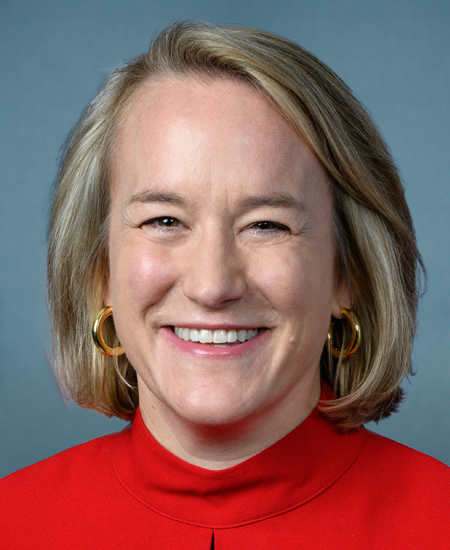
Rep. Nikki Budzinski
Sponsored bills
Maddy summaryHRES 1495 designates September 2024 as "Sickle Cell Disease Awareness Month" to raise public education about sickle cell disease (SCD), which affects approximately 100,000 people in the U.S., predominantly in African American communities. The resolution urges the Department of Health and Human Services to address access barriers for SCD treatments in Medicare and Medicaid, calls for increased National Institutes of Health research funding, and proposes forming a federal interagency cabinet to coordinate SCD policy. It also encourages public events during September to highlight early detection, treatments, and preventative care for SCD complications. As a symbolic resolution, it does not create new laws but directs federal agencies to prioritize equitable access and research for SCD.
Maddy summaryHR 9787, the Farmer First Fuel Incentives Act, extends and modifies clean fuel production tax credits under the Internal Revenue Code. It prohibits the use of foreign feedstocks for qualifying clean fuels after December 31, 2024, requiring that all feedstocks be produced or grown in the United States. The bill also extends the clean fuel production credit period from December 31, 2027, to December 31, 2034. These changes directly affect clean fuel producers seeking tax credits, mandating domestic feedstock sourcing while providing longer eligibility for the credit. The law aims to incentivize U.S.-based clean fuel production through specific tax policy adjustments.
Maddy summaryThis bill clarifies Medicare rules to allow doctors to provide certain critical medications directly in their offices without extra administrative hurdles. It specifically amends a Medicare provision (Section 1877(b)(2) of the Social Security Act) to remove a requirement that drugs furnished in-office must follow specific administrative rules, effective May 11, 2023. The bill also directs the removal of conflicting Medicare guidance published in 2021 and 2023, which had previously restricted this practice. This change directly affects Medicare beneficiaries (seniors) and doctors' offices that supply covered medications during patient visits. It streamlines access to necessary drugs by eliminating an unnecessary barrier to in-office medication administration under Medicare.
Maddy summaryHR 3433, the "Give Kids a Chance Act of 2024," requires pharmaceutical companies developing certain cancer drugs to conduct pediatric studies if the drugs target molecular pathways relevant to childhood cancers. It directly affects drug manufacturers submitting new applications for cancer treatments, particularly those combining previously approved adult cancer drugs or containing a single new active ingredient. The bill amends FDA regulations to mandate these pediatric investigations only when specific conditions are met, such as when a drug's molecular target is relevant to pediatric cancer growth. The FDA must issue implementing guidance within 12 months, and reports to Congress will track implementation and effectiveness starting 2 years after enactment.
Maddy summaryHCONRES 129 designates the week of September 22-28, 2024, as "National Fall Prevention Awareness Week" to raise public awareness about falls among older adults. The resolution cites CDC data showing falls cause approximately 14 million incidents, 3 million emergency visits, and $80 billion in annual medical costs for adults aged 65+. It supports existing evidence-based prevention strategies - such as balance exercises, home safety modifications, and medication management - without creating new legal requirements or funding. The bill focuses on awareness and collaboration among government agencies, healthcare providers, and community organizations to reduce fall risks.
Maddy summaryHRES 1489 is a symbolic House resolution designating the week of September 23-27, 2024, as "National Clean Energy Week." It expresses congressional support for recognizing clean energy's role in economic growth (citing 8.35 million jobs in the sector) and encourages voluntary actions like public awareness, investment in clean energy technologies, and supporting local clean energy jobs. The resolution does not create new laws, funding, or obligations - it only formally endorses the week-long observance to highlight clean energy’s economic and environmental benefits. It directly affects no specific group but aims to raise national awareness of the clean energy sector.
Maddy summaryThis bill amends the tax code to allow certain unpaid family caregivers to access IRA catch-up contribution rules. It defines a "qualified family caregiver" as someone who provided at least 500 hours of in-home care (for children or adults with special needs, including elderly adults) while working fewer than 500 hours in paid employment during the same year. Eligible individuals can then contribute more to their IRAs in the same way as people aged 50+, subject to a maximum 5-year total eligibility period. The change applies to taxable years starting after December 31, 2024, and relies on self-certification by caregivers.
Maddy summaryHR 9765, the Improving Retirement Security for Family Caregivers Act of 2024, allows certain unpaid family caregivers to contribute to Roth IRAs at the standard annual limit. It directly affects unpaid caregivers who provided at least 500 hours of in-home care (e.g., bathing, meal prep, medication management) for a child or an adult with special needs (including elderly adults with age-related conditions) while working fewer than 500 hours paid during the year. The bill amends tax rules to treat these caregivers as if they meet the standard Roth IRA contribution income limits, enabling them to build retirement savings without being disqualified due to low paid employment. This change applies to taxable years beginning after December 31, 2024.
Maddy summaryHR 9742 extends the expiration dates for multiple existing Department of Veterans Affairs (VA) programs and authorities from 2024 to 2025. It specifically updates deadlines for health care services (like copayment collection, nursing home care, rural health access, and animal therapy programs), memorial headstone eligibility, homeless veteran assistance programs, and administrative authorities (such as transportation services and IG subpoena powers). These extensions ensure continuity of current VA services for veterans without creating new benefits or changing program eligibility. The bill directly affects veterans receiving VA healthcare, burial benefits, housing assistance, and homeless support services.