

Maddy summaryThis bill establishes new requirements for pharmacy benefit managers (PBMs) working with Medicare Part D prescription drug plans and Medicaid programs. It mandates that PBMs pay pharmacies a specific reimbursement amount based on drug acquisition costs plus a fixed fee, pass through manufacturer rebates directly to beneficiaries at the point of sale, and prohibits steering practices that direct patients to specific pharmacies. The bill applies to Medicare Part D plans and Medicaid managed care organizations beginning January 1, 2027, affecting how PBMs interact with pharmacies and handle drug rebates. Violations could result in criminal penalties of up to $1 million or 10 years in prison for willful noncompliance. The bill aims to increase transparency and fairness in pharmacy drug pricing for Medicare and Medicaid beneficiaries.
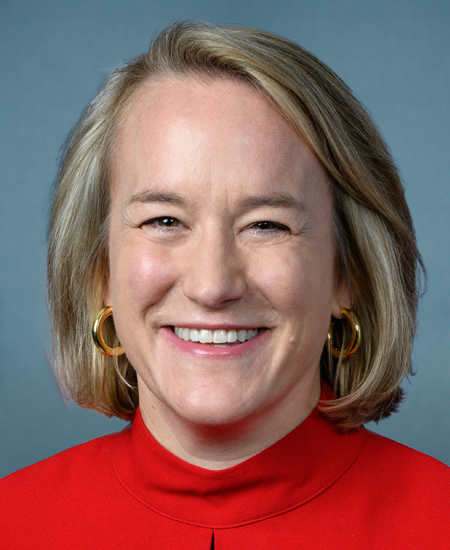
Rep. Nikki Budzinski
Sponsored bills
Maddy summaryHR 6672 creates a federal loan repayment program for mental health professionals working in designated shortage areas. It allows eligible individuals (such as psychologists, social workers, or counselors with qualifying student loans) to have up to $250,000 in federal education debt repaid over six years in exchange for full-time service in a shortage area. The program covers loans including federal student loans for mental health degrees and Direct Stafford/PLUS loans, with payments structured as 1/6 of the debt per year for the first five years and the remainder in the sixth year. The bill authorizes $25 million annually from 2026 to 2035 to fund this initiative, targeting areas with critical mental health provider shortages.
Maddy summaryThis concurrent resolution (HCONRES 65) is a symbolic congressional commendment of state and local governments that have affirmed reproductive rights as human rights. It recognizes efforts by jurisdictions like Carrboro, North Carolina; Austin, Texas; and Fulton County, Georgia, which passed resolutions or proclamations declaring abortion access a human right and condemning criminalization of pregnancy outcomes. The resolution urges states to repeal restrictive abortion laws and protect access to reproductive care, but it does not create new legal requirements or fund programs. As a procedural resolution, it has no binding effect on federal or state law.
Maddy summaryThis bill authorizes $250 million over five years to fund grants for states, school districts, and eligible Tribal schools to expand computer science education. It requires grantees to provide computer science courses for all high school students within five years, create early access from pre-K through middle school, and implement plans to close equity gaps for underrepresented groups (including minority students, girls, and low-income youth). Grant funds must cover teacher training, high-quality learning materials, and targeted support for underrepresented students, with strict limits on equipment spending (max 15%). Grantees must report annually on student participation data disaggregated by race, gender, and socioeconomic status.
Maddy summaryHR 6597, the LET’S Protect Workers Act, increases civil penalties for employers violating key labor laws to strengthen worker protections. It raises fines for child labor violations to up to $700,000 per incident causing death or serious injury, and doubles penalties for repeated wage/hour violations (up to $50,000 per violation). The bill also significantly boosts OSHA penalties (e.g., up to $800,000 for serious violations), adds new retaliation penalties for mine safety violations (up to $200,000 for repeat offenses), and clarifies that recordkeeping violations continue until corrected. These changes apply to employers across sectors, including manufacturing, agriculture, and mining, under the Fair Labor Standards Act, Occupational Safety and Health Act, and Mine Safety Act.
Maddy summaryThis bill authorizes the placement of a memorial honoring women who supported the U.S. war effort during World War II (including those working as pilots, engineers, and in factories) on federal land in Washington, D.C. It specifies two locations: Area I on the National Mall map or the National Mall Reserve, as defined in existing law. The memorial was previously authorized by Section 702 of the 2023 Consolidated Appropriations Act (Public Law 117-328), and this bill clarifies its permitted locations.
Maddy summaryThis bill directs the American Battle Monuments Commission to correct historical errors by identifying Jewish World War I and II veterans buried overseas under incorrect Christian markers (Latin crosses) and replacing them with appropriate markers. It establishes a 10-year program to contact families of affected veterans, with the Commission funding the effort at $500,000 annually through nonprofit contracts. The program specifically targets veterans buried in foreign U.S. military cemeteries with markers indicating non-Jewish faith, addressing a documented mistake affecting approximately 900 Jewish servicemembers. This directly affects Jewish veterans' families by honoring their heritage and correcting past burial inaccuracies.
Right to Read Act of 2025 This bill expands access to school libraries and literacy skills support for elementary and secondary school students. It also outlines certain constitutional rights and liability protections related to school libraries. Specifically, the bill reauthorizes through FY2030 (1) the Comprehensive Literacy State Development Program, which provides grants to ensure high-quality instruction and effective strategies in reading and writing for children through 12th grade; and (2) the Innovative Approaches to Literacy Program, which provides grants to support the development of literacy skills in low-income communities. Additionally, the bill allows Supporting Effective Instruction State Grants to be used to assist local educational agencies (LEAs) and schools in recruiting, hiring, and retaining state-certified school librarians. Further, the bill authorizes states and LEAs to use Student Support and Academic Enrichment grants for programs and activities that promote the development of digital literacy and information literacy skills. The Department of Education (ED) must direct the National Center for Education Statistics to biennially collect data on school libraries. ED must require an assurance from each state and LEA receiving certain funds confirming that it will (1) protect the First Amendment rights of students in school libraries, and (2) provide equal protection in the conduct of school libraries in compliance with the requirements of the Fourteenth Amendment and nondiscrimination laws. The bill also provides liability protection to teachers, school librarians, school leaders, paraprofessionals, and other staff for actions that conform with state or local policies regarding the right to read.
Maddy summaryHRES 856 is a non-binding resolution expressing the House of Representatives' view that the U.S. Department of Agriculture (USDA) should use its existing contingency funds and interchange authority to fund the Supplemental Nutrition Assistance Program (SNAP) for November 2025. The resolution cites that the USDA holds over $5 billion in contingency funds set aside for emergencies and has legal authority under the Department of Agriculture Organic Act to transfer funds between nutrition programs to maintain SNAP benefits. This would directly support approximately 42 million people relying on SNAP, including 16 million children, 8 million seniors, 4 million people with disabilities, and 1.2 million veterans, preventing disruption during a potential funding gap. The resolution does not create new law but urges the administration to use existing resources to ensure continued food assistance.
Maddy summaryHR 6358, the Veteran Education Empowerment Act, creates a federal grant program to help colleges establish or improve dedicated Student Veteran Centers. These centers provide veterans, active-duty service members, and their families with lounge space, benefits counseling, academic support, and mental health services. Institutions must serve significant numbers of veterans and have sustainability plans to qualify for grants, with funding capped at $500,000 per institution over four years. The bill directly affects colleges serving veterans and aims to address challenges like isolation and transition difficulties through centralized campus support.