

Fallen Heroes Flag Reauthorization Act of 2022 This bill reauthorizes through FY2027 a program through which a Member of Congress may provide, at no cost, a Capitol-flown flag to commemorate a firefighter, law enforcement officer, or other public safety officer who died in the line of duty if an immediate family member of the deceased requests such a flag.
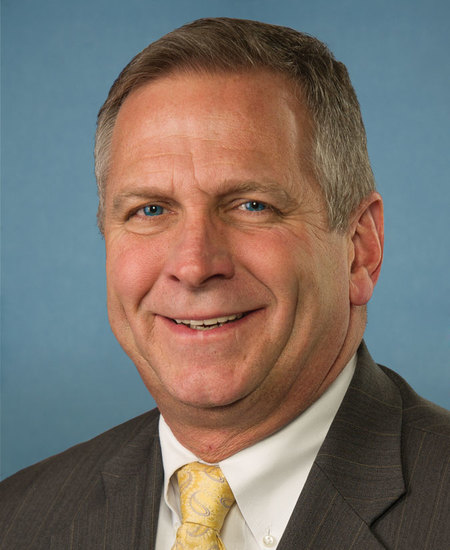
Rep. Mike Bost
Sponsored bills
Bridge Corrosion Prevention and Repair Act This bill requires states to implement a corrosion management system that utilizes industry-recognized standards and corrosion mitigation and prevention methods for bridge construction, repair, and maintenance projects that receive federal assistance. It also requires certain aspects of the bridge projects to be carried out by certified contractors that provide appropriate training for their employees.
This resolution expresses support for the designation of a national day of remembrance for members of the U.S. Armed Forces who were killed or injured by the terrorist attack on the Marine Corps barracks in Beirut, Lebanon, on October 23, 1983.
Military Spouse Hiring Act This bill expands the Work Opportunity Tax Credit (WOTC) to include the hiring of a qualified military spouse. (The WOTC permits employers who hire individuals who are members of a targeted group such as qualified veterans, ex-felons, or long-term unemployment recipients to claim a tax credit equal to a portion of the wages paid to those individuals.) A qualified military spouse is any individual who is certified by the designated local agency as being (as of the hiring date) a spouse of a member of the Armed Forces.
Sgt. Wolf Kyle Weninger Veterans Education Fairness Act of 2022 This bill provides eligibility for Post-9/11 GI Bill educational assistance for individuals, including officers, who are discharged or released from active duty with a sole survivorship discharge following at least 30 continuous days on qualifying active duty after September 10, 2001.
Securing Our Students Act This bill authorizes local educational agencies and nonpublic schools to use certain COVID-19 emergency relief funds, services, or assistance for school safety uses, that is improving school conditions for student learning by planning and designing school buildings and facilities, installing infrastructure, providing safety education, and implementing technology or other measures that strengthen security on school premises.
Protecting American Sovereignty Act This bill prohibits the federal government from implementing any obligations upon the United States that may be contained in a draft report by a World Health Organization (WHO) working group on strengthening the WHO's preparedness and response to health emergencies. This prohibition shall also apply to any related or successor reports and recommendations regarding pandemics.
Freight Rail Assistance and Investment to Launch Coronavirus-Era Activity and Recovery Act of 2022 or the Freight RAILCAR Act of 2022 This bill provides a new tax credit through 2024 for 10% of freight railcar fleet modernization expenses (i.e., railcar replacement and modernization expenses for meeting fuel efficiency and performance standards). The bill provides that no more than 2,000 freight railcars per taxpayer may be taken into account for purposes of determining the credit in a taxable year. The Department of the Treasury must report to Congress on the credit to provide information on the number of times the credit was claimed and the number of railcars scrapped or built as a result of the credit.
Flood Insurance for Farmers Act of 2022 This bill revises the National Flood Insurance Program to allow exemptions of certain agricultural structures from flood-proofing or elevation standards while receiving coverage under the program. The bill also provides for optional umbrella coverage for commercial, residential (including multifamily rental units), and agricultural property to be made available to all applicants with multiple structures on the same property.
Maddy summaryHRES 1131 is a resolution proposing to remove the January 13, 2021, impeachment of President Trump from the official congressional record, treating it as if it never occurred. It specifically targets the House resolution (H. Res. 24) that impeached Trump for "incitement of insurrection" following the January 6 Capitol riot. The resolution argues the impeachment lacked due process, omitted context about the 2020 election, and violated constitutional procedures by rushing the vote before Trump’s term ended. If passed, it would formally erase the impeachment from legislative history but would not affect Trump’s legal status or future eligibility for office. This is a symbolic procedural measure, not a binding law, and would not change the actual voting record or constitutional implications.