

Maddy summaryH.J. Res. 30 seeks to block a Department of Labor rule that would have required retirement plan managers (like those handling 401(k)s) to follow strict "prudence and loyalty" standards when selecting investments and voting on company matters. The rule, published in December 2022, aimed to protect retirement savings by ensuring fiduciaries prioritize participants' interests. This resolution, if passed, would prevent the rule from taking effect, avoiding new compliance requirements for retirement plan managers and sponsors. It directly affects retirement plan administrators and the millions of participants in these plans.
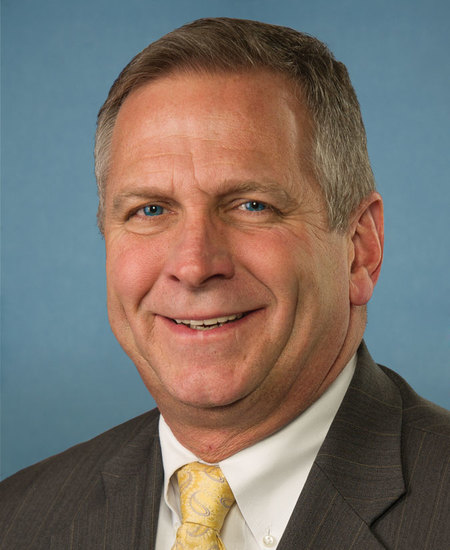
Rep. Mike Bost
Sponsored bills
This resolution supports the preservation of the stepped-up basis tax rule that allows recipients of inherited assets such as land, equipment, or buildings to adjust the cost basis of the assets to reflect their fair market value. The resolution opposes any efforts to impose new taxes on family farms or small businesses and recognizes the importance of generational transfers of farm and family-owned businesses.
Maddy summaryHR 1141, the Natural Gas Tax Repeal Act, repeals a specific provision (Section 136) of the Clean Air Act that established an incentive program for reducing methane emissions and waste in natural gas systems. This bill directly affects natural gas producers and operators who previously participated in or were subject to the methane emissions reduction program. The key mechanism is the removal of this incentive program, eliminating federal requirements and financial incentives related to methane waste reduction for the natural gas industry. The bill also rescinds unobligated funds allocated for this program. This is a policy change removing a regulatory incentive, not a tax repeal.
Maddy summaryHRES 127 is a symbolic House resolution expressing the House's position that the U.S. should support safe, responsible energy drilling to strengthen domestic energy supply chains. It recommends repealing federal restrictions on drilling on public lands, clarifying drilling's role in energy production, and incentivizing workforce development in the energy sector. The resolution does not create new laws or directly affect any individuals or businesses; it merely states the House's opinion on policy priorities. It emphasizes that increased domestic drilling could enhance national security, prevent energy shortages, and reduce energy poverty - though these are stated goals, not guaranteed outcomes. As a non-binding resolution, it has no legal force.
Maddy summaryThis resolution expresses congressional support for designating March 21, 2023, as "National Agriculture Day." It symbolically recognizes agriculture's economic importance as a major U.S. industry, celebrating its impact on jobs and communities. The bill does not create new laws, funding, or regulations - it is a non-binding statement of support. It directly affects the agricultural sector by highlighting its contributions through a formal congressional acknowledgment.
Maddy summaryHR 1484, the Pipeline Sabotage and Accident Prevention Act, adds criminal penalties for intentionally damaging or disrupting pipeline infrastructure. It makes it a federal offense to knowingly cause defects in pipes, pumps, or valves (or disrupt operations) in pipelines regulated under existing law, punishable by fines, up to 10 years in prison, or both. The bill specifically protects First Amendment rights, stating its provisions don’t limit lawful protests or free speech. It directly affects individuals who intentionally target pipeline infrastructure, such as vandals or terrorists, by creating clear criminal consequences for such acts. The law focuses on preventing physical harm to critical energy infrastructure through deterrence.
Safe Responsible Ethical Scientific Endeavors Assuring Research for Compassionate Healthcare Act or the Safe RESEARCH Act This bill prohibits the National Institutes of Health (NIH) from conducting or supporting research on human fetal tissue obtained from an abortion procedure. It also imposes other restrictions on human fetal tissue research. Under the bill, the NIH may conduct or support research on human fetal tissue only if it was obtained from a stillbirth. Current law allows research on tissue from stillbirths or from spontaneous or induced abortions. The bill also applies informed consent and other requirements applicable to research on the transplantation of human fetal tissue for therapeutic purposes to all research with human fetal tissue. This includes research on stem cells and other human fetal tissue alternatives. Additionally, human fetal tissue used for this research must be obtained in accordance with state anatomical gift laws. These laws govern organ and tissue donation for therapeutic, research, and other purposes. Some states already apply anatomical gift laws to human fetal tissue donation. Currently, executive branch officials may not prohibit the NIH from conducting or supporting research on the transplantation of human fetal tissue for therapeutic purposes. The bill repeals this limitation on executive branch officials. It also repeals a requirement that the NIH fund certain proposals for this research.
Maddy summaryThe Dental and Optometric Care Access Act of 2023 (DOC Access Act) requires health insurance plans covering dental and vision care to allow providers (like dentists and optometrists) to charge patients the usual and customary rate for uncovered services, with a specific rule limiting dental cleanings to the network fee even if it exceeds annual coverage limits. It prohibits plans from restricting providers' choices of laboratories or suppliers for patient care. This law directly affects dental and vision care providers and the health insurance plans that offer these services. The bill establishes concrete billing and coverage standards to improve access to necessary dental and vision care.
Maddy summaryHR 1591 amends the Elementary and Secondary Education Act to increase annual federal funding for impact aid programs that support school districts near military bases, national parks, and other federal properties. It authorizes specific, rising funding levels for four key areas: payments for federal land acquisitions ($90 million in 2024, growing to $150 million by 2029), basic payments to heavily impacted school districts ($1.6 billion in 2024, growing to $2.45 billion by 2029), payments for students with disabilities ($60 million in 2024, growing to $120 million by 2029), and school construction projects ($22.9 million in 2024, growing to $45.4 million by 2029). These appropriations represent incremental steps toward full federal funding for these aid programs, as specified in the bill's text. The bill directly affects school districts located near federal land, providing predictable annual funding increases for their operational and infrastructure needs.
Protecting American Sovereignty Act This bill prohibits the federal government from implementing any obligations upon the United States that may be contained in a draft report by a World Health Organization (WHO) working group on strengthening the WHO's preparedness and response to health emergencies. This prohibition shall also apply to any related or successor reports and recommendations regarding pandemics.