

Maddy summaryHR 6501, the "Snap Back Inaccurate SNAP Payments Act," amends the Food and Nutrition Act to change how states calculate SNAP payment error rates. Starting in fiscal year 2024, states must recoup all overpayments to beneficiaries (previously allowed small errors to be excluded), and their error rate will now factor in the percentage of overpayments not recouped. This directly affects state agencies administering SNAP by requiring stricter error control and mandating full recoupment of overpayments. The bill eliminates the previous $10 tolerance for small errors, setting a $0 tolerance level for all future fiscal years. These changes aim to reduce payment errors by holding states accountable for recouping overpayments.
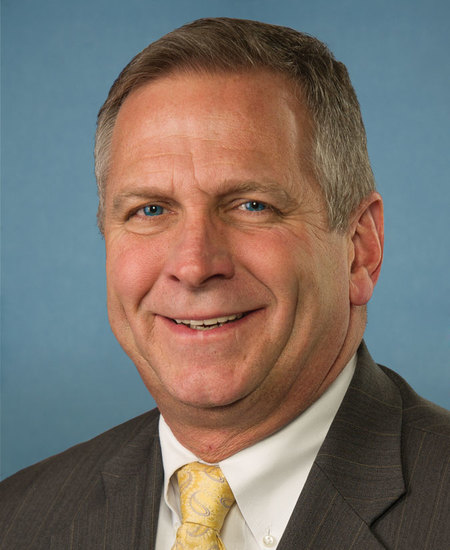
Rep. Mike Bost
Sponsored bills
Maddy summaryThe Farmers First Act of 2023 amends the Farm and Ranch Stress Assistance Network program to expand mental health support for farmers and ranchers. It increases annual funding from $10 million to $15 million for fiscal years 2024-2028, adds crisis lines to the program’s services, and expands referral options to connect individuals with certified community clinics, health centers, rural clinics, Federally Qualified Health Centers, and critical access hospitals. These changes directly affect agricultural workers facing mental health or substance use challenges by improving access to specialized care. The bill focuses on strengthening existing support infrastructure rather than creating new programs.
Maddy summaryThe Death Tax Repeal Act would eliminate the federal estate tax and generation-skipping transfer tax for estates of people who die on or after the bill's enactment date, and for generation-skipping transfers made after that date. It would also establish a new $10 million lifetime gift tax exemption (adjusted annually for inflation) and replace the existing gift tax rate schedule with a revised structure. These changes would primarily affect high-net-worth individuals and their heirs, as the estate tax and gift tax typically apply to large estates or gifts exceeding the new exemption threshold. The bill's provisions would take effect on the date of enactment, with transitional rules for the year the bill is signed into law.
Maddy summaryThe RIFLE Act of 2024 changes how the federal government handles violations by firearms licensees, affecting gun dealers and manufacturers who hold federal licenses. It creates a graduated penalty system where non-willful violations require the Attorney General to work with licensees to fix issues before taking action, while willful violations may lead to license suspension or revocation only after proper notice, hearing, and evidence of continued noncompliance. The bill establishes new procedures for administrative hearings, defines "willful" violations more clearly, and gives licensees 90 days to liquidate inventory after license expiration or revocation, with extensions possible for reasonable cause. These changes aim to create a more transparent process for addressing violations while maintaining public safety standards.
Maddy summaryThis bill requires the Secretary of Agriculture to designate and maintain at least 20% of trails in Shawnee National Forest for recreational use by e-bikes and off-highway vehicles (OHVs), including ATVs and ORVs. It mandates ongoing monitoring to ensure these trails support recreation while minimizing environmental harm and guaranteeing at least one trail remains open year-round for covered vehicles. The law directly affects forest visitors using e-bikes or OHVs and sets specific management requirements for the forest. It does not alter existing trail access rules for other vehicle types or non-recreational uses.
Maddy summaryH.J.Res. 92 seeks congressional disapproval of a 2022 rule from the Food and Nutrition Service (FNS) that updated how discrimination complaints are processed in federal nutrition programs (like SNAP) following the *Bostock v. Clayton County* Supreme Court decision. The bill aims to block the rule’s implementation, which would have required agencies to handle discrimination complaints under the expanded protections established by *Bostock* (covering LGBTQ+ individuals). If passed, the resolution would make the FNS policy update ineffective, maintaining the previous complaint processing approach. This affects how federal nutrition programs address discrimination claims but does not change the underlying anti-discrimination law.
This resolution supports the designation of National Teach Ag Day and recognizes the important role of agricultural education and the National FFA Organization in developing the next generation of agricultural leaders.
Maddy summaryHR 6744, the "No VA Resources for Illegal Aliens Act," prohibits the Department of Veterans Affairs (VA) from providing health care or processing health care claims for individuals unlawfully present in the United States who are not already eligible for VA health care under existing law. This bill directly affects undocumented immigrants who do not qualify for VA benefits through standard veteran eligibility criteria. The key provision explicitly bars VA resources from being used for any care or claims processing for such individuals. The bill does not alter VA eligibility rules for veterans but prevents the use of VA funds for non-eligible non-citizens unlawfully present in the U.S.
Maddy summaryHR 6926, the Safe and Open Streets Act, makes it a federal crime to intentionally block public roads or highways to disrupt the movement of goods or commerce. The bill adds a specific offense under federal law for purposefully obstructing, delaying, or affecting commerce by blocking roads, with penalties including fines or up to five years in prison. It directly affects individuals who block roads to interfere with transportation or delivery of goods, such as during protests or demonstrations. The law updates existing statutes to clarify and strengthen penalties for this specific type of obstruction, without changing broader traffic or protest laws.
Maddy summaryHR 1147, the Whole Milk for Healthy Kids Act of 2023, allows schools participating in the National School Lunch Program to offer whole milk as an option during lunch. It amends the school lunch law to explicitly permit schools to serve flavored and unflavored whole milk alongside reduced-fat, low-fat, and fat-free milk choices for students. The bill also requires the Secretary of Agriculture to adjust meal regulations to account for saturated fat from whole milk, ensuring it doesn't count against meal fat limits. This change directly affects participating schools and the students who receive school lunches, expanding their milk beverage options.