

Return Excessive Migrants and Asylees to International Neighbors in Mexico Act of 2021 or the REMAIN in Mexico Act of 2021 This bill requires the Department of Homeland Security (DHS) to implement the Migrant Protection Protocols as outlined in the January 25, 2019, memo titled Policy Guidance for Implementation of the Migrant Protection Protocols . (The protocols generally required aliens who are not clearly admissible, including those seeking asylum, arriving by land along the U.S.-Mexico border to be returned to Mexico while their immigration proceedings are pending, rather than remain in the United States. On January 21, 2021, DHS stopped applying the protocols to newly-arrived individuals.)
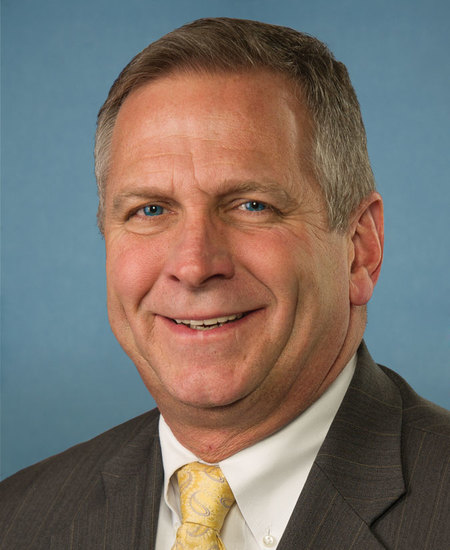
Rep. Mike Bost
Sponsored bills
Pain-Capable Unborn Child Protection Act This bill establishes a new criminal offense for performing or attempting to perform an abortion if the probable post-fertilization age of the fetus is 20 weeks or more. A violator is subject to criminal penalties—a fine, a prison term of up to five years, or both. The bill provides exceptions for an abortion (1) that is necessary to save the life of the pregnant woman, or (2) when the pregnancy is the result of rape or incest. A physician who performs or attempts to perform an abortion under an exception must comply with specified requirements. A woman who undergoes a prohibited abortion may not be prosecuted for violating or conspiring to violate the provisions of this bill.
The American PPE Supply Chain Integrity Act This bill requires specified federal departments to purchase certain items, including medical supplies, personal protective equipment (PPE), and clothing, from the United States, with exceptions. Specifically, the bill requires the Department of Health and Human Services, the Department of Homeland Security (DHS), and the Department of Veterans Affairs to purchase items such as specified medical supplies (including disinfecting wipes), PPE, and fabric products (including clothing, bags, and tents) from products that are 100% grown, reprocessed, reused, or produced in the United States. The bill requires regulations to (1) prohibit the use by any federal department or agency of reverse auctions or lowest price technically acceptable contracting methods for the procurement of PPE if the level of quality or failure of the item could result in infection, illness, or death; and (2) establish a preference for the use of best value contracting methods for the procurement of such equipment. The bill applies the Berry Amendment (which requires the Department of Defense to give preference in procurement to domestically produced, manufactured, or homegrown products) to specified supplies and equipment, such as surgical dressing materials, hospital and surgical clothing, and textile medical supplies and equipment.
Abortion Providers Loan Elimination Act This bill makes abortion providers ineligible to receive a loan under the Paycheck Protection Program, which was established to support small businesses in response to COVID-19. This prohibition shall not apply to hospitals or entities that exclusively provide abortions (1) where the pregnancy is the result of rape or incest, or (2) where the pregnancy endangers the life of the mother. The Inspector General of the Small Business Administration must report on the number of paycheck protection loans made to the Planned Parenthood Federation of America and to other abortion providers.
Life at Conception Act This bill declares that the right to life guaranteed by the Constitution is vested in each human being at all stages of life, including the moment of fertilization, cloning, or other moment at which an individual comes into being. Nothing in this bill shall be construed to authorize the prosecution of any woman for the death of her unborn child.
No Taxpayer Funding for Abortion and Abortion Insurance Full Disclosure Act of 2021 This bill modifies provisions relating to federal funding for, and health insurance coverage of, abortions. Specifically, the bill prohibits the use of federal funds for abortions or for health coverage that includes abortions. Such restrictions extend to the use of funds in the budget of the District of Columbia. Additionally, abortions may not be provided in a federal health care facility or by a federal employee. Historically, language has been included in annual appropriations bills for the Department of Health and Human Services (HHS) that prohibits the use of federal funds for abortions—such language is commonly referred to as the Hyde Amendment. Similar language is also frequently included in appropriations bills for other federal agencies and the District of Columbia. The bill makes these restrictions permanent and extends the restrictions to all federal funds (rather than specific agencies). The bill's restrictions regarding the use of federal funds do not apply in cases of rape, incest, or where a physical disorder, injury, or illness endangers a woman's life unless an abortion is performed. The Hyde Amendment provides the same exceptions. The bill also prohibits qualified health plans from including coverage for abortions. Currently, qualified health plans may cover abortion, but the portion of the premium attributable to abortion coverage is not eligible for subsidies.
American Workforce Empowerment Act This bill allows tax-preferred college savings plans (529 plans) to fund certain postsecondary certificate programs and apprenticeship programs.
Chiropractic Medicare Coverage Modernization Act of 2021 This bill expands Medicare coverage of chiropractic services to include all services provided by chiropractors, rather than only subluxation corrections through manual manipulation of the spine.
This resolution expresses the sense of the House of Representatives that (1) clean water is a national priority, and (2) the 2020 final rule titled The Navigable Waters Protection Rule: Definition of "Waters of the United States" should not be withdrawn or vacated.
Fire Fighters and EMS Employer-Employee Cooperation Act This bill requires the Federal Labor Relations Authority to determine whether a state substantially provides fire and emergency medical services (EMS) personnel the right to form and join a labor organization; recognition by fire and EMS employers of the employees' labor organization, agreement to bargain with the organization, and reduction of any agreements to writing in a contract or memorandum of understanding; the right to bargain over hours, wages, and terms and conditions of employment; and arbitration or other mechanisms to resolve an impasse in collective bargaining negotiations. The bill makes the authority responsible for (1) determining the appropriateness of units for labor representation; (2) supervising elections; (3) conducting hearings and resolving complaints of unfair labor practices; and (4) protecting the right of employees to form, join, or assist any labor organization, or to refrain from doing so. An employer, fire and EMS personnel, or labor organization may not engage in a lockout, sickout, work slowdown, strike, or any other organized job action that will measurably disrupt the delivery of emergency services and is designed to compel an employer, fire and EMS personnel, or labor organization to agree to the terms of a proposed contract.