

Maddy summaryThis bill expands eligibility for VA-furnished headstones, markers, or medallions to include two groups: (1) enslaved individuals who accompanied military personnel during service, and (2) people who performed military functions despite being barred from service due to discrimination based on race, gender, sex, or ethnicity. The VA must create regulations within one year, defining "military function" and accepting evidence like pay records, diaries, or family bibles to verify eligibility. Requests must be made by direct descendants or approved representatives acting on their behalf. The bill requires the VA to submit an implementation report to Congress within 15 months of enactment.
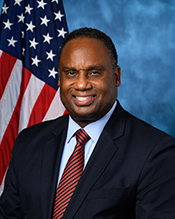
Rep. Jonathan L. Jackson
Sponsored bills
Maddy summaryHR 6451, the Mental Health Justice Act of 2023, provides $250 million in federal grants to states, tribes, and localities to hire mental health professionals as first responders for specific emergencies. It directs these professionals to replace police in situations involving mental health crises, substance use, or intellectual/developmental disabilities - such as when a 911 caller describes a mental health emergency or a first responder identifies someone needing mental health support. The bill requires grantees to train responders in de-escalation techniques, link individuals to community-based services (not incarceration), and report on outcomes like reduced arrests or use of force. It also mandates data collection on demographics and prevents funneling people into institutional settings, with annual reports to Congress on program effectiveness.
Maddy summaryHR 6415, the CARE for First Responders Act, creates targeted mental health support for first responders, including law enforcement, firefighters, EMTs, and 911 operators (previously excluded from many services). It establishes a 24/7 confidential mental health hotline integrated with the 988 Suicide Lifeline, funds mobile crisis teams for disaster response, and mandates specialized training to reduce stigma and improve access to culturally competent care. The bill requires the development of peer support programs and education for responders and their families on mental health coping strategies. It authorizes $5 million annually (2024-2028) for grants to states and organizations to implement these services, specifically addressing the higher rates of mental health challenges and suicide among first responders compared to the general population.
Maddy summaryThe Confronting Police Violence Against Children Act of 2023 requires the National Institute of Justice to study all incidents where children under 18 were seriously harmed or killed by law enforcement officers over the past 15 years. The report must analyze demographic details (like age, race, disability status), officer training, incident circumstances, and whether children were in mental health crises, while gathering input from legal experts, medical professionals, and community groups. It will provide recommendations for preventing excessive force, improving officer training for youth interactions, and ensuring children receive help from mental health professionals instead of police. The goal is to inform future policies and training practices, not to enact immediate legal changes.
Maddy summaryHR 3601, the Student Veteran Work Study Modernization Act, expands eligibility for a Veterans Affairs work-study allowance to veterans enrolled at least half-time in rehabilitation, education, or training programs - lowering the previous requirement from three-quarter-time. The bill establishes a five-year pilot program to test this change, requiring the VA to apply the same allowance rules to these veterans as to other participants, except for the enrollment threshold. It also mandates annual reports to Congress tracking participation numbers, four-year degree completion rates, and full-time VA employment outcomes for participants. The policy directly affects veterans seeking education benefits while balancing academic and personal responsibilities.
Maddy summaryHCONRES 75 is a non-binding resolution expressing Congress's support for issuing a new commemorative postage stamp honoring the Buffalo Soldiers. It directly affects the U.S. Postal Service by urging the Citizens’ Stamp Advisory Committee to recommend such a stamp to the Postmaster General. The resolution highlights the historical significance of the Buffalo Soldiers - African American soldiers who served in all-Black regiments from 1866 to 1948 - and references a previous 1994 stamp that was discontinued. It does not create a new law but formally requests the Postal Service consider this commemoration.
This concurrent resolution recognizes the difficult challenges Black veterans faced when returning home after serving in the Armed Forces, their heroic military sacrifices, and their patriotism in fighting for equal rights and for the dignity of a people and a nation. The concurrent resolution also recognizes the need for the Department of Veterans Affairs to continue to work to eliminate any health and benefit disparities for minority veterans.
Maddy summaryThe FAMILIES Act creates a program allowing courts to divert eligible parents and caregivers from incarceration into community-based supervision instead of prison or probation. Eligible individuals include parents of minor children, expectant parents, and caregivers for minors, elderly, or disabled family members. The program provides comprehensive services like education, job training, substance abuse treatment, and family counseling, with provisions to prevent financial barriers from hindering participation. Courts must consider factors like caregiver responsibilities and risk to family members when determining eligibility, and successful participants may qualify for record expungement.
Maddy summaryHR 6121, the Filipino Veterans Fairness Act of 2023, expands U.S. veterans benefits for individuals who served in the Philippine Army, Philippine Scouts, or recognized guerrilla forces during World War II. It directly affects Filipino veterans who previously faced challenges proving service due to limited documentation. The bill allows the Secretary of Veterans Affairs to consider alternative records beyond the National Personnel Records Center rosters when determining eligibility, requires annual reports to Congress on applications and approvals, and clarifies that the Filipino Veterans Equity Compensation Fund does not apply to these veterans. These changes aim to streamline access to benefits for this specific group of veterans.
Maddy summaryHR 6293, the Fair Wages for Incarcerated Workers Act of 2023, would extend the Fair Labor Standards Act (FLSA) to require that incarcerated workers in public or privately operated correctional facilities receive fair wages. The bill directly affects individuals working in prisons or related programs (like UNICOR or work release) by prohibiting deductions for board, lodging, or court-imposed fees from their wages. Key provisions amend the FLSA to define "incarcerated worker" and explicitly state that such workers must be paid at least the minimum wage, with costs for facilities and court fees excluded from their earnings. This would ensure incarcerated workers keep more of their earnings from prison labor programs.