

Maddy summaryThe Rural Hospital Cybersecurity Enhancement Act directs the Department of Health and Human Services to create a workforce development plan aimed at training cybersecurity professionals specifically for rural hospitals. This strategy requires the Secretary to consult with various federal agencies and healthcare representatives while focusing on partnerships, curriculum development, and identifying local security challenges. Additionally, the bill mandates the publication of free instructional materials and an awareness campaign to help rural hospital staff learn fundamental cybersecurity skills. The legislation does not authorize any new funding, relying instead on existing resources to implement these training and educational initiatives.
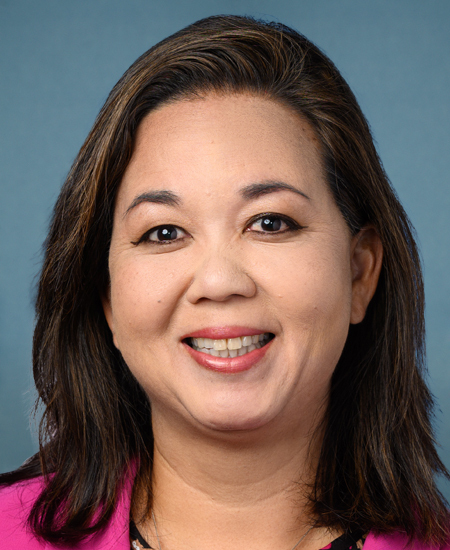
Rep. Jill N. Tokuda
Sponsored bills
Maddy summaryThis bill expands federal election laws to prevent foreign nationals from influencing U.S. elections by tightening restrictions on domestic companies with significant foreign ownership or control. It requires businesses that are at least 50% owned by foreign individuals, or those with specific foreign influence, to file a sworn certification proving they are not foreign-controlled before making any political donations or spending money on election activities. Additionally, the law clarifies that these rules apply to state and local ballot initiatives and mandates that corporate political action funds certify their managers and board members are U.S. citizens or permanent residents. The legislation also prohibits recipients of funds from these businesses from using the money for further political contributions unless they receive and verify the required compliance certification.
This bill designates the facility of the United States Postal Service located at 86-014 Farrington Highway in Wai'anae, Hawai'i, as the "U.S Representative Colleen Hanabusa Post Office Building".
Maddy summaryThe MARA Act of 2026 establishes a new Office of Aquaculture within the National Oceanic and Atmospheric Administration to oversee and promote commercial-scale offshore aquaculture projects in U.S. waters. This new office will coordinate with other federal agencies to streamline the permitting process, develop best management practices based on scientific data, and provide technical assistance and grants to industry stakeholders. The bill authorizes the issuance of permits for demonstration projects that must use native species, minimize environmental risks, and prioritize the safety of existing fishing and navigation activities. Additionally, the legislation mandates two major studies: one by the National Academies to evaluate the scientific basis for regulating offshore aquaculture and another by the Government Accountability Office to assess the economic and regulatory viability of the industry over time.
Maddy summaryThe Aquatic Invasive Species Control and Prevention Act of 2026 strengthens federal efforts to manage and prevent the spread of non-native aquatic organisms by updating existing laws and creating new funding opportunities. The bill establishes a competitive grant program to research and develop environmentally sound technologies for controlling these species, while also requiring a comprehensive study of federal regulations that might slow down rapid response actions when an invasion is detected. It mandates the creation of a national plan for inspecting and decontaminating watercraft at boat launches to stop the transfer of invasive species, and it authorizes funding to support regional panels and monitoring programs across various waterways. Additionally, the legislation updates the National Invasive Species Council's role to better coordinate federal actions and encourages the adoption of advanced ballast water management systems on ships.
Maddy summaryThe Save MEDICARE Act of 2026 aims to improve the Medicare Advantage program by starting in 2028 with several changes to how health plans are paid and monitored. It requires the government to exclude diagnoses from chart reviews when calculating payments to prevent plans from inflating costs based on questionable data. The bill also speeds up audits and appeals to ensure faster resolution of coding disputes and introduces a new penalty system to recover overpayments from plans. Additionally, the law allows states to enforce Medicare rules within their borders and bans financial incentives for doctors based on how they code patient records. Finally, it establishes a mechanism for the Department of Veterans Affairs to recover costs when Medicare Advantage plans cover care that should have been paid for by the VA.
Maddy summaryThis bill requires Medicare Advantage plans to implement electronic pre-approval systems for medical services by 2028 and meet transparency reporting standards starting in 2027. Plans must publicly report data on approval/denial rates, appeal outcomes, response times, and technology use for pre-approval requests, including details on how denials relate to clinical criteria. It establishes a 24-hour response timeframe for certain requests and mandates annual reviews of pre-approval requirements based on data and input from seniors and providers. The law directly affects Medicare Advantage plans, seniors enrolled in these plans, and healthcare providers who submit pre-approval requests. These changes aim to make the pre-approval process faster, more transparent, and more accountable for seniors seeking covered medical services.
Maddy summaryThe MARA Act of 2026 establishes a new Office of Aquaculture within NOAA to oversee and promote commercial-scale offshore aquaculture projects in U.S. waters. This bill authorizes the issuance of permits for demonstration projects that must use native species, adhere to strict environmental safety standards, and minimize impacts on existing fishing and navigation. To support industry growth, the legislation creates funding for workforce training programs, establishes Aquaculture Centers of Excellence at specific universities, and mandates a unified permitting process to streamline federal approvals. Additionally, the act requires comprehensive studies and reports to assess the long-term environmental viability, economic benefits, and regulatory effectiveness of offshore aquaculture operations.
Maddy summaryThis resolution expresses support for designating July 10th as Journeyman Lineworkers Recognition Day to honor the workers who maintain the nation's electrical grid. The bill specifically recognizes the dangerous conditions these employees face, such as working at heights near live power lines and responding to disasters like hurricanes and wildfires. It also commemorates Henry Miller, the first president of the International Brotherhood of Electrical Workers, who died on July 10, 1896, while performing his duties. Ultimately, the measure encourages the public to observe this day with reflection on the contributions of lineworkers.