

Maddy summaryHR 5272, the *Protect Elections from Deceptive AI Act*, prohibits the intentional distribution of AI-generated audio or video that falsely represents a federal candidate’s appearance, speech, or conduct in a way that would mislead voters during an election. It directly affects candidates for federal office, political committees, and entities distributing such content with the intent to influence elections or solicit funds. The bill includes key exceptions for news organizations (with clear authenticity disclosures), publications (with explicit statements), and satire. Victims can seek court injunctions or damages for violations, with the burden of proof requiring "clear and convincing evidence." This law aims to prevent AI-generated disinformation from distorting election outcomes.
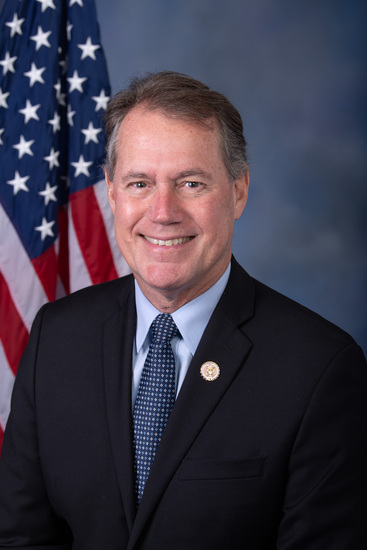
Rep. Ed Case
Sponsored bills
Maddy summaryHRES 684 is a non-binding House resolution designating September 9, 2025, as "National Firearm Suicide Prevention Day." It aims to raise public awareness about firearm suicide statistics (including that firearms were used in 55% of U.S. suicides in 2023) and promote safe firearm storage as a key suicide prevention strategy. The resolution encourages health professionals to discuss safe storage with patients and supports existing awareness efforts led by organizations like Brady and End Family Fire. It directly affects the public and healthcare providers by emphasizing evidence-based prevention practices, not by creating new laws.
Maddy summaryHR 5220, the Congressional Power of the Purse Act, strengthens Congress's authority over federal spending by preventing the executive branch from withholding appropriated funds. The bill requires federal agencies to report on budget management, adds penalties for failing to comply with congressional oversight requirements, and establishes new procedures for congressional review of national emergencies. It directly affects federal agencies, the executive branch, and the balance of power between Congress and the President regarding budget authority. The law aims to increase transparency and accountability in how government funds are managed and spent.
Maddy summaryHR 5205, the Aircraft Noise Reduction Act, gives general aviation airports (smaller, noncommercial airports) new authority to adjust flight paths and training patterns to reduce noise for nearby communities. Airport operators can request these changes from the FAA, which must consult with them and consider community input, without risking loss of federal funding. The bill requires the FAA to update its regulations to support these noise-reduction measures at such airports. It does not create new noise standards but provides a mechanism for airports to implement existing noise limitations through operational adjustments. This directly affects residents near general aviation airports and the airports themselves.
Maddy summaryThis bill increases federal funding for Impact Aid, which supports school districts that serve students on federal property (like military bases) or have high numbers of children with disabilities. It authorizes specific annual funding amounts for four key areas: payments for federal property acquisition, basic support for heavily impacted districts, aid for children with disabilities, and school construction. The funding grows incrementally each year from 2026 through 2031, with total annual amounts rising from $85 million to $250 million for property payments, and from $1.49 billion to $2.35 billion for basic district support. This directly affects school districts in communities with significant federal land or federal facility presence.
Maddy summaryThe REACT Act directs FEMA to provide technical and financial support to state, local, and tribal emergency management authorities to improve their alert systems. It requires funding for community exercises, clear role definitions in alert chains, standardized message templates based on research, and metrics to measure system effectiveness. The bill mandates annual reports tracking training participation, system coverage, public feedback, and opt-out rates, with $30 million annually allocated from 2025-2035. It does not require specific alert systems but focuses on enhancing coordination and public understanding of existing emergency alerts. The program expires after 10 years.
Maddy summaryHR 2808, the Homebuyers Privacy Protection Act, restricts how consumer reporting agencies share credit reports during mortgage applications. It prevents agencies from sending these reports to third parties unless the request is tied to a firm credit offer and the recipient has either the homebuyer’s explicit written consent or is directly involved in the mortgage (like the lender, loan servicer, or the homebuyer’s bank holding an active account). This directly affects homebuyers applying for residential mortgages by limiting unsolicited sharing of their credit information. The law amends the Fair Credit Reporting Act to strengthen privacy protections around mortgage-related credit data.
Maddy summaryThis resolution (HRES 677) is a formal statement by the House of Representatives affirming the Federal Reserve's independence from political influence. It specifically supports Chairman Jerome Powell and the Board of Governors in making monetary policy decisions based on economic data, not political pressure. The resolution urges the President and executive branch to respect the Fed's statutory independence and avoid actions or rhetoric that could undermine its credibility. It emphasizes that maintaining this independence is critical for economic stability, price control, and global confidence in U.S. financial markets.
Maddy summaryThe Quiet Communities Act of 2025 reestablishes the Environmental Protection Agency’s Office of Noise Abatement and Control, which was defunded in 1982. This office will provide grants to states for local noise control programs, conduct national research on noise health impacts, develop public education materials, and create regional technical assistance centers. The bill authorizes $25 million annually (2026-2030) to fund these activities, directly supporting communities affected by noise pollution - particularly the estimated 28 million U.S. residents with hearing impairments linked to noise exposure. It emphasizes state/local solutions, market incentives, and coordination with other agencies to address noise from aircraft, traffic, and other sources.
Maddy summaryThe PARTNER Act (HR 4490) authorizes the U.S. President to extend diplomatic privileges and immunities to five international organizations: the Association of Southeast Asian Nations (ASEAN), CERN (European nuclear research group), the Pacific Islands Forum, the Caribbean Community, and the African Union. It modifies existing law to allow these organizations to receive the same diplomatic protections as other international bodies the U.S. collaborates with under treaties or congressional authorization. The bill does not create new policy but adjusts legal authority for diplomatic recognition, affecting how these organizations interact with U.S. government operations. This is a procedural change, not a substantive policy shift, and applies only to diplomatic privileges, not other forms of engagement.