

Maddy summaryHR 781, the GIG Act, clarifies the definition of an independent contractor under federal law. It adds specific factors the Secretary of Labor must consider when determining if a worker is an independent contractor, such as whether the worker has substantial control over their work, can earn profits or losses based on their initiative, and whether their services require specialized skills performed continuously. The bill explicitly states that the Secretary cannot consider unmet contractual terms or unrelated services when making this determination. This directly affects workers classified as independent contractors and the businesses that hire them, by establishing a clearer, more objective standard for classification. The change aims to reduce misclassification disputes under the Fair Labor Standards Act.
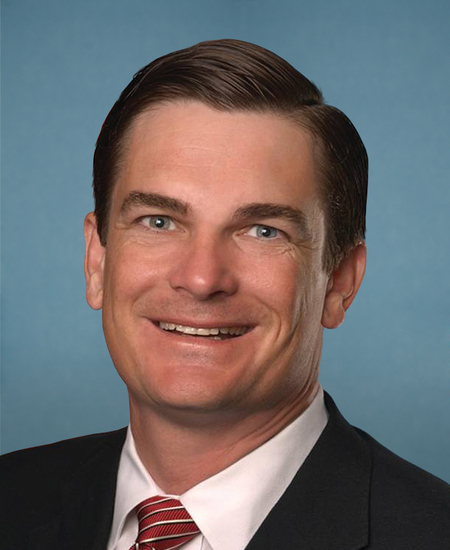
Rep. Austin Scott
Sponsored bills
Maddy summaryHR 769 designates the National Museum of the Mighty Eighth Air Force in Pooler, Georgia (located at 175 Bourne Avenue) as the official National Museum of the Mighty Eighth Air Force of the United States. The bill clarifies that this museum will not be part of the National Park System and explicitly states it does not appropriate or authorize federal funds for the museum's operations. This is a procedural designation with no policy changes or funding implications.
Prohibition of Agricultural Land for the People's Republic of China Act This bill requires the President to prohibit nonresident aliens, foreign businesses, and agents associated with China's government from (1) purchasing agricultural (including ranching) real estate located in the United States, or (2) participating in Department of Agriculture programs that are unrelated to food and safety regulatory requirements.
Maddy summaryHR 735 (Susan Muffley Act of 2023) requires the Pension Benefit Guaranty Corporation (PBGC) to recalculate and increase monthly pension benefits for participants and beneficiaries in six specific Delphi-related pension plans to their full vested amount. This includes making lump-sum payments for past underpayments, plus 6% annual interest on amounts owed since prior benefit calculations. The bill directly affects eligible retirees and beneficiaries in the Delphi Hourly-Rate Employees Pension Plan, Delphi Retirement Program for Salaried Employees, and four other Delphi pension plans. It does not change existing asset allocations but ensures payments reflect the full pension amount guaranteed under ERISA without prior phase-in limits.
Maddy summaryHR 646, the SHORT Act, clarifies firearm definitions under federal law to exclude antique firearms and certain collector items from the "firearm" category. It removes restrictions on short-barreled rifles and shotguns used lawfully by eliminating specific prohibitions in federal law and preempts state laws imposing taxes or registration requirements on these weapons. The bill also mandates the destruction of federal records related to short-barreled rifles, shotguns, and other weapons defined under the National Firearms Act within 365 days of enactment. This directly affects owners of these specific firearms, particularly collectors and individuals possessing short-barreled weapons legally under federal law. The key mechanisms include revised definitions, federal preemption of state regulations, and record destruction requirements.
Maddy summaryHR 382, the "Pandemic is Over Act," terminates the federal public health emergency declaration for the COVID-19 pandemic. The bill ends the emergency status declared on January 31, 2020, effective upon the bill's enactment. This action directly ends the federal authority tied to the emergency, including related public health measures and funding mechanisms under the Public Health Service Act.
Maddy summaryHR 683 (PASS Act of 2023) expands the Committee on Foreign Investment in the United States (CFIUS) review process to cover foreign investments in U.S. agriculture businesses, agricultural biotechnology, and private farmland. It mandates that the President block transactions involving foreign entities from China, Russia, Iran, or North Korea that would give them control over U.S. agricultural operations or land used for farming. The bill allows limited presidential waivers for national security reasons but requires a 30-day review period before any waiver. Additionally, it requires the Secretary of Agriculture to submit biannual reports to Congress on risks posed by foreign ownership in U.S. agriculture.
Disaster Reforestation Act This bill sets forth a special rule for the tax deduction for casualty losses of uncut timber (including pre-merchantable timber). It provides that in losses of any uncut timber from fire, storm, insects, invasive species, drought, or other casualty, or from theft, the basis for determining the amount of the deduction for such loss shall not be less than the excess of the value of such timber determined immediately before such loss was sustained, over the salvage value of such timber. To be eligible for the casualty loss deduction, the uncut timber subject to the loss must be reforested not later than the close of the five-year period beginning on the date of the loss.
Maddy summaryThe Educational Choice for Children Act creates tax credits for individuals and corporations that contribute to scholarship granting organizations providing education scholarships. Individuals can claim a credit up to $5,000 or 10% of their income, while corporations can claim up to 5% of taxable income. The scholarships are available to students from households with income up to 300% of the area median income, and can be used for private school tuition, tutoring, and other educational expenses at elementary and secondary schools. The bill includes strict requirements for scholarship organizations to verify income, conduct audits, and prevent misuse of funds, while also prohibiting government control over these organizations and protecting private and religious schools from discrimination in the program. It establishes a $10 billion annual cap on the total tax credits available.
Maddy summaryThis bill requires healthcare providers to give the same medical care to infants born alive during abortions as they would to any newborn, and to immediately admit such infants to a hospital. It mandates reporting of non-compliance to law enforcement and imposes penalties including up to 5 years in prison for violations. Women who undergo abortions can file civil lawsuits seeking money damages for injuries, three times the abortion cost, and punitive damages if care standards are not met. The bill also clarifies that abortion includes intentionally killing an unborn child or terminating pregnancy without specific exceptions (e.g., after viability to preserve life or removing a dead fetus).