

Maddy summaryHR 7746, the "Destroy Zombie Guns Act," requires businesses that destroy firearms to destroy every component of a firearm during the process, not just parts of it. This law directly affects licensed firearm destruction businesses and individuals operating as regular business to destroy firearms for profit. The bill amends federal law (18 U.S.C. § 922) to make it unlawful to fail this complete destruction, adding penalties including fines, up to 2 years in prison, and license suspension or revocation for licensed destroyers who violate the rule. The key mechanism ensures no firearm parts remain usable after destruction, targeting incomplete destruction practices.
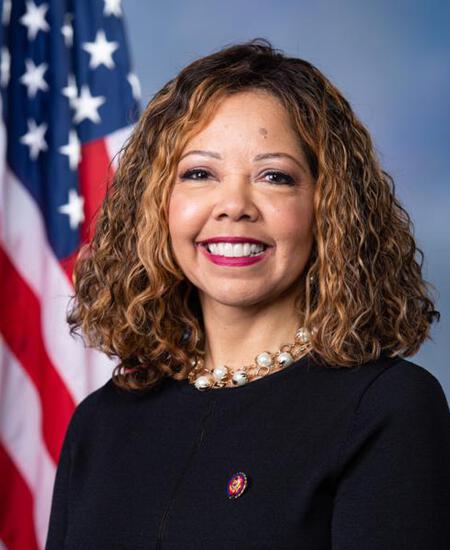
Rep. Lucy McBath
Sponsored bills
Maddy summaryHRES 1095 is a symbolic resolution expressing congressional support for designating March 2024 as "Music in Our Schools Month." It recognizes music's cultural importance, its long history in U.S. schools, and the unequal access to music education faced by students in underserved communities (including urban/rural schools and schools with high percentages of Black, Hispanic, or Native American students). The resolution does not create new laws, allocate funding, or mandate school actions - it simply affirms the value of music education and calls for greater support. This non-binding resolution was introduced by multiple representatives and referred to the Education Committee.
Maddy summaryHR 7698 establishes a new Office of Civic Bridgebuilding within the Corporation for National and Community Service to support programs reducing polarization and improving social cohesion. It authorizes $25 million annually (2025-2027) for competitive grants to nonprofits, community groups, and educational institutions to fund projects addressing local needs like healthcare gaps or environmental concerns through research-backed methods. Grantees must demonstrate how projects engage diverse communities, ensure participant safety (especially for marginalized groups), and use standardized metrics to track effectiveness. The Office will oversee grants, support training, and maintain a public research base on civic bridgebuilding best practices.
Maddy summaryThis bill establishes an Interagency Task Force on Black Women and Girls, requiring the Attorney General and Health Secretary to create a group within 180 days of enactment. The Task Force will examine systemic issues affecting Black women and girls - including school discipline, economic opportunities, healthcare access, justice system involvement, and housing - and make policy recommendations across these areas. It mandates the U.S. Commission on Civil Rights to annually study specific disparities like maternal mortality rates, the school-to-prison pipeline, and housing barriers, then report findings to Congress. The bill directly targets policies impacting Black women and girls as defined in the legislation, with recommendations due within two years.
Maddy summaryHRES 966 is a symbolic resolution condemning alleged sexual violence committed by Hamas during its October 7, 2023, attack on Israel. It specifically references eyewitness accounts, forensic evidence, and Hamas fighters' admissions of ordering gang rape, sexual mutilation, and assault against Israeli civilians. The resolution calls for international condemnation of such acts as weapons of war, urges nations to criminalize sexual violence, and supports investigations into Hamas' actions. As a non-binding resolution, it does not create new laws or directly affect any individuals but formally expresses the House's position on the issue.
Maddy summaryHR 7355, the Early Childhood Workforce Advancement Act of 2024, establishes a federal grant program to fund career and technical education programs in early childhood education. It directly supports partnerships between institutions of higher education, child care providers, and community stakeholders to expand training and career pathways for early childhood educators. Key provisions include funding for curriculum development, educator recruitment/retention, professional development, and support services like childcare assistance for students pursuing credentials (such as Child Development Associate) or degrees. The grants aim to improve workforce readiness, address regional shortages, and enhance outcomes for students - particularly in underserved communities - by aligning training with industry needs and State strategic plans.
Maddy summaryThis bill prevents states from banning or discouraging the use of specific financial industry codes (merchant category codes) that identify firearm and ammunition merchants. It directly affects financial institutions and payment processors that use these standardized codes for transaction tracking. The law requires states to allow the use of these codes, and the Attorney General can enforce this through civil lawsuits. The bill does not change gun laws or affect gun owners; it only addresses financial coding standards.
Maddy summaryHRES 1002 is a symbolic House resolution recognizing the cultural and historical significance of Lunar New Year (celebrated as the Year of the Dragon in 2024). It acknowledges the holiday's 4,000-year history in China, its celebration across Asia (including Seollal and Tết), and its significance to Asian Americans and others in the U.S. The resolution expresses respect for those observing the holiday and wishes them a happy new year, but it does not create new laws, policies, or funding. As a ceremonial resolution, it has no direct effect on legislation or constituents.
Maddy summaryHR 7261, the Reimagining Inclusive Arts Education Act, creates a federal grant program to improve arts education access for children with disabilities in K-12 schools. The bill authorizes $15 million over five years (2025-2029) to fund competitive grants for eligible entities like school districts, state agencies, or partnerships with colleges/nonprofits. Grant recipients must use funds to adapt arts curricula, provide professional development for arts educators, and incorporate creative arts therapies (like music or dance) to increase inclusion and accessibility for students with disabilities. Priority is given to schools receiving Title I funding, and grants last up to three years with possible renewal based on program success.
Maddy summaryHR 7170, the Victims' VOICES Act, amends federal restitution law to require courts to reimburse specific expenses for individuals who assume a victim's legal rights (such as family members or advocates). It mandates that defendants pay for lost income, childcare, transportation, and related costs directly tied to attending court proceedings, participating in investigations, or accompanying victims to necessary medical care, therapy, or rehabilitation. The bill focuses on concrete reimbursement for out-of-pocket expenses incurred during legal and medical processes, rather than creating new programs. This change directly affects those stepping into a victim's role during criminal cases, ensuring they are financially supported for essential participation.