

Maddy summaryThe Launching with Healthcare Act extends the period during which young adults must be covered under their parents' health insurance plans from age 26 to age 31. This change directly affects individuals up to age 31 and the employers or insurers providing these family coverage plans. The bill amends the Public Health Service Act to implement this new age limit, with the provision taking effect for plan years that begin after December 31, 2026.
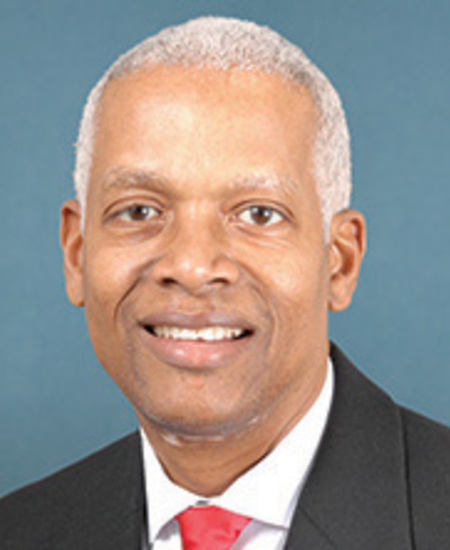
Rep. Henry C. "Hank" Johnson, Jr.
Sponsored bills
Maddy summaryThe Equal Pay for Equal Work Act establishes a new National Equal Pay Enforcement Task Force composed of representatives from the Equal Employment Opportunity Commission, the Department of Justice, the Department of Labor, and the Office of Personnel Management. The task force is charged with coordinating these agencies to close gaps in enforcement and improve public education regarding equal pay laws. Its specific duties include investigating challenges related to pay inequity, advancing recommendations to address those issues, and creating action plans to implement the proposed solutions.
Maddy summaryThe No Homeless Detention Centers Act prohibits recipients of federal housing funds from forcing homeless individuals to live in government facilities or requiring them to perform labor in exchange for shelter. The bill also bans local and state authorities from punishing people for engaging in basic life-sustaining activities, such as sleeping or resting, on public property. These restrictions apply to actions taken by law enforcement officers or private contractors acting under federal authority. By tying these prohibitions to federal funding, the legislation aims to prevent the use of criminal penalties or involuntary confinement to address homelessness.
Maddy summaryThe Public Transit Mental Health Awareness Act requires public transit agencies that receive federal assistance to display information about the national suicide prevention hotline in areas visible to passengers. This information must state that the service is free, confidential, and available around the clock. Agencies can meet this requirement by placing the notice on all their vehicles or in all their transit facilities, provided it does not block existing revenue-generating advertising space. The law includes a provision allowing agencies to remain compliant if they make reasonable efforts to restore displays that are damaged or removed, with the mandate taking effect one year after enactment.
Maddy summaryThis House resolution supports the designation of August 17 through August 23, 2026, as Warehouse Worker Recognition Week to honor over 1.8 million employees in the logistics industry. The bill highlights the critical role these workers play in the U.S. economy and supply chain while acknowledging the challenging conditions they face, such as extreme heat and long hours. It encourages increased public awareness of their contributions and commits lawmakers to collaborating on efforts to reduce workplace injuries and better support these front-line employees.
Maddy summaryThe Green New Deal for Public Housing Act directs the Department of Housing and Urban Development to provide grants to public housing agencies and tribal entities for the comprehensive rehabilitation, energy upgrades, and modernization of public housing stock. These funds are intended to transform properties into zero-carbon homes by installing renewable energy systems, electrifying appliances, and repairing infrastructure, while also establishing workforce development programs that offer training, apprenticeships, and stipends to residents and local low-income workers. The bill mandates strict labor standards, including prevailing wages and the use of U.S.-made materials, and requires agencies to maintain or increase the total number of public housing units while prioritizing resident participation through elected councils and community engagement processes.
Maddy summaryThe Protect American Values Act prohibits the use of federal funds to implement, administer, or enforce a specific Department of Homeland Security rule regarding the "Public Charge" ground of inadmissibility. This legislation directly affects immigrants and mixed-status families by preventing the government from using public benefits as a factor in determining eligibility for lawful permanent resident status. The bill includes a statement of congressional intent arguing that the targeted rule would restrict access to essential services like food, medical care, and housing, while also negatively impacting state and local economies. By cutting off funding for this specific policy, the act aims to maintain current immigration standards and prevent what Congress describes as an unauthorized reversal of long-standing law.
Maddy summaryThis bill, titled the No TSA Data for ICE Act, prohibits the Transportation Security Administration from sharing passenger data with U.S. Customs and Border Protection or U.S. Immigration and Customs Enforcement. It specifically bars these agencies from using TSA information or data from private brokers to perform immigration enforcement functions. Additionally, the legislation prevents the denial, suspension, or early termination of Trusted Traveler programs like PreCheck and Global Entry if an individual's participation in First Amendment-protected activities is the reason. The law defines the restricted data as personally identifiable information about flight passengers obtained from the TSA or private sector entities.
Maddy summaryThis joint resolution expresses the support of the U.S. House of Representatives for designating November 9 of each year as Gold Star Father's Day. The bill honors fathers who have lost a child while serving in the Armed Forces by recognizing their sacrifice and the unique bond between fathers and their children. It does not create new legal requirements or funding but serves as a formal statement of congressional backing for this observance, which has already been adopted by several state legislatures.
Maddy summaryThe Restoring Justice for Workers Act prohibits employers from forcing workers to agree to arbitration for workplace disputes and bans agreements that prevent employees from joining together to seek legal relief. Under this bill, any contract requiring arbitration before a dispute arises would be invalid, while agreements made after a dispute occurs must be truly voluntary, require plain language explanations, include a 45-day waiting period, and receive explicit written consent from the worker. The legislation also makes it illegal to retaliate against employees who refuse to sign arbitration clauses and ensures that courts, rather than arbitrators, decide whether these arbitration agreements are valid. Additionally, the act amends the National Labor Relations Act to explicitly forbid employers from interfering with employees' rights to engage in collective actions regarding their work. These changes apply to all workers, including independent contractors, and take effect immediately upon enactment.