

Maddy summaryThis bill expresses the sense of Congress that medication abortion is a safe medical treatment approved by federal regulators. It asserts that this federal approval overrides any state laws requiring the procedure to be dispensed in person by a healthcare provider. Additionally, the bill states that federal approval preempts state restrictions on prescribing or dispensing medication abortion through telehealth. Essentially, the legislation argues that states cannot enforce rules limiting how medication abortion is delivered if those rules conflict with the federal approval process.
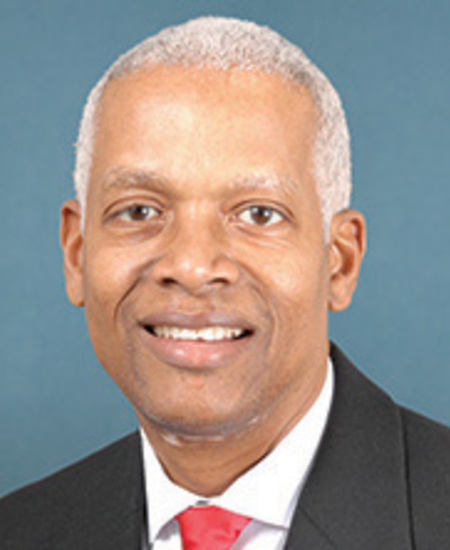
Rep. Henry C. "Hank" Johnson, Jr.
Sponsored bills
Maddy summaryThe Pregnant Women in Custody Act establishes new federal standards to protect the health and rights of pregnant women held in Bureau of Prisons facilities, immigration detention centers, and refugee shelters. It mandates comprehensive medical care, including mandatory pregnancy testing, access to contraception, and specialized dietary and housing accommodations tailored to pregnancy needs. A central provision prohibits the use of restrictive housing and physical restraints during pregnancy, labor, and the postpartum recovery period, with limited exceptions only for immediate safety threats. The legislation also requires facilities to provide nursery programs allowing mothers and infants to remain together, offers education on parental rights, and mandates regular reporting on health outcomes and the use of restrictive measures.
Maddy summaryThis House Resolution designates the week of May 3 through May 9, 2026, as National Postpartum Awareness Week for Communities of Color. It formally acknowledges the unique health challenges and disparities faced by pregnant people of color during the postpartum period. The measure does not create new laws or allocate funding but aims to raise awareness and encourage support for maternal health equity initiatives.
Maddy summaryThis resolution expresses support for designating May 4, 2026, as a "National Day of Reason" to highlight the value of critical thinking and evidence-based decision-making. It encourages all Americans to observe the day by promoting the scientific method and free inquiry as tools for solving social problems and advancing human welfare. The text cites historical figures and principles to argue that reason is essential for protecting democracy, civil liberties, and addressing challenges like climate change and misinformation. As a non-binding congressional resolution, it does not create new laws or alter government operations but serves as a formal statement of the House's position.
Maddy summaryThe Safe Transit for All Act of 2026 requires large public transit agencies in urban areas with over 200,000 people to collect and publish data on street harassment experienced by passengers. This data collection includes details about the type of harassment, the demographics of those affected, and how these incidents impact ridership, while also establishing reporting mechanisms and response protocols. The bill defines street harassment as intimidating or threatening words, gestures, or actions directed at individuals based on protected characteristics such as race, age, or disability. Additionally, the legislation mandates that this information be added to the national transit database to improve overall safety monitoring.
Maddy summaryThe Assault Weapon Financing Accountability Act prohibits the use of "Buy Now, Pay Later" loans to purchase semiautomatic assault weapons. This ban applies to both lenders offering these short-term credit products and dealers who accept such loans for firearm sales. The bill defines "semiautomatic assault weapons" based on specific physical features like pistol grips, forward grips, and high-capacity magazines, and sets a civil penalty of $100,000 for violations by lenders or sellers.
Maddy summaryThe Vote by Mail Protection Act of 2026 directly affects the federal government by nullifying Executive Order 14399, which previously required citizenship verification in federal elections. This legislation prohibits any federal agency from enforcing the order or using taxpayer funds to carry out its activities. By repealing the executive order, the bill removes the mandate for agencies to verify citizenship as a condition for voting in federal elections.
Maddy summaryThis resolution formally recognizes the week of May 4 through May 8, 2026, as "Teacher Appreciation Week" to honor the work of public school educators. It highlights the importance of teachers in the education system and notes that a majority of them support various policies, including protections for students and funding for public schools. The document also expresses the view that teachers should have a direct role in education policymaking at federal, state, and local levels. By issuing this designation, the House of Representatives aims to acknowledge the value of teachers and encourage government leaders to engage with them on issues affecting the classroom.
Maddy summaryThe New Pathways Act requires the Bureau of Prisons to provide returning federal prisoners with essential identification and documents before their release. For U.S. citizens, the bill mandates that the agency issue a photo ID card and secure necessary proof of citizenship and a Social Security card, even if the prisoner lacks the paperwork to obtain them themselves. Noncitizens eligible for work and residence will receive assistance in getting their immigration status documents and employment authorization. Additionally, the act ensures that individuals released directly from prison without prior custody receive help from the Probation System to create a plan for their reentry into society.
Maddy summaryThe Reward Work Act prohibits companies from buying back their own stock on public exchanges while requiring at least one-third of corporate board members to be elected by employees. Under this bill, corporations would need to hold one-employee-one-vote elections to select these worker representatives, with the Securities and Exchange Commission tasked with creating rules to ensure fair and democratic processes. The legislation specifically targets publicly traded companies and their boards of directors, aiming to increase worker influence in corporate governance through direct election mechanisms.