

Hemp Planting Predictability Act This bill extends by two years the implementation of changes to the regulation of hemp products, which reimpose certain federal controls over some hemp products. Specifically, Congress enacted the FY2026 agriculture appropriations act (P.L. 119-37) on November 12, 2025. Effective November 12, 2026, the act modifies the statutory definition of hemp products that are considered to be lawful. This bill extends the effective date to November 12, 2028. As background, the 2018 farm bill excluded hemp from the Controlled Substances Act definition of marijuana and defined hemp . As a result, hemp and hemp-derived products at or below the 0.3% delta-9 tetrahydrocannabinol (THC, the psychoactive component of marijuana) concentration threshold were no longer regulated as Schedule I controlled substances and registration with the Drug Enforcement Administration was no longer required to cultivate or handle hemp and hemp-derived products. However, hemp remained subject to Department of Agriculture and Food and Drug Administration regulation. The 2025 changes to the definition of hemp, include changing the limit to a total THC concentration of not more than 0.3% on a dry weight basis rather than only delta-9 THC, explicitly including industrial hemp, excluding seeds from a cannabis plant that exceed a certain THC concentration, and excluding various types of hemp-derived cannabinoid products. Cannabinoids refer to unique chemical compounds that are found in hemp and marijuana (e.g., THC) and are known to exhibit a range of psychological and physiological effects.
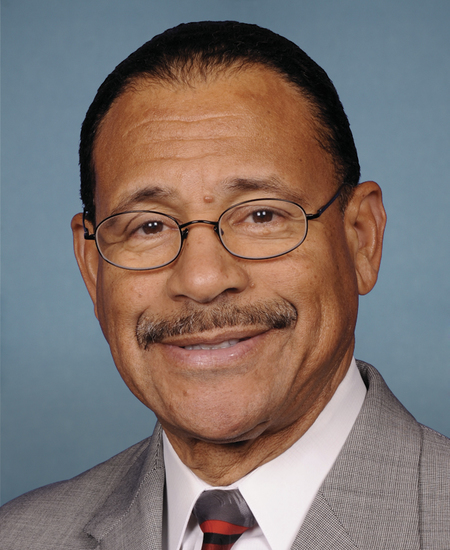
Rep. Sanford D. Bishop, Jr.
Sponsored bills
Maddy summaryThis bill increases federal reimbursement for states operating summer nutrition programs. It requires the Secretary of Agriculture to pay states 90% of monthly administrative costs for two programs: the summer electronic benefits transfer program for children (under the School Lunch Act) and the Supplemental Nutrition Assistance Program (SNAP). This directly affects states that administer these programs, providing them with significantly more federal funding to cover operational expenses. The key change is raising the reimbursement rate from previous levels to 90% for both programs' administrative costs during fiscal years they are operated.
Maddy summaryThis bill reauthorizes and strengthens the Civil Rights Cold Case Records Collection program. It establishes that all federal, state, and local government records related to historical civil rights cases must carry a presumption of immediate public disclosure, with full access intended for public understanding. Key provisions include allowing the Review Board to reimburse state/local governments for digitizing or copying records to add to the national collection, removing an exception that previously blocked state records from being included, and extending the Review Board's term from 7 to 11 years. The bill directly affects government agencies holding these records and the public seeking historical transparency about civil rights cases.
Dental Care for Veterans Act This bill expands eligibility for veterans for dental care provided by the Department of Veterans Affairs (VA). Specifically, the bill makes all veterans who are enrolled in the VA health care system eligible for VA-provided dental services. Currently, only veterans who have a service-connected dental issue or meet other narrow criteria are eligible for certain dental services. The bill phases in eligibility over four years based upon existing eligibility, degree of service-connected disability or other disability, prisoner of war status, award of a Purple Heart, financial need, or VA health care eligibility.
Maddy summaryThis resolution designates May 29, 2026, as "Mental Health Awareness in Agriculture Day" to highlight mental health issues within the farming and agricultural workforce. It aims to reduce the stigma surrounding mental illness by acknowledging the unique stressors faced by producers and workers, such as unpredictable weather, labor shortages, and market fluctuations. The bill also draws attention to available support resources, specifically the Farm and Ranch Stress Assistance Network, and encourages the public to observe the day as a way to promote well-being in the industry.
Maddy summaryThis bill expands eligibility for federal workers' compensation to include specific Bureau of Alcohol, Tobacco, Firearms and Explosives employees who suffer illnesses linked to their fire protection duties. It achieves this by legally classifying Certified Fire Investigators and members of the National Response Team within the ATF as employees engaged in fire protection activities. Consequently, these designated personnel can now file claims for compensation if they develop diseases deemed to be directly caused by their work in fire protection. The changes apply only to compensation claims submitted on or after the date the law is enacted.
Maddy summaryThe Lainie Jones Comprehensive Cancer Survivorship Act of 2026 establishes a new Office of Cancer Survivorship within the National Cancer Institute to coordinate research and education focused on the long-term health needs of the approximately 18 million Americans living with or beyond a cancer diagnosis. The bill mandates that Medicare and Medicaid cover specific services, including the creation of personalized care plans at key transition points and fertility preservation treatments for survivors facing treatment-related infertility. Additionally, the legislation creates a grant program to support cancer survivors and their families with employment assistance and establishes a new payment model designed to improve the quality and coordination of long-term survivorship care.
Maddy summaryHR 4109, the Recycling and Composting Accountability Act, requires the Environmental Protection Agency (EPA) to collect and report detailed data on recycling and composting infrastructure across the U.S. The bill mandates reports on composting facilities, materials recovery centers (which process recyclable materials like plastic, paper, and metal), contamination rates, and barriers to expanding these programs. It also directs the EPA to develop standardized recycling rates, track end-market sales of recycled materials, and assess how much recyclable material is diverted from reuse. These reports will be submitted to Congress and used by states, local governments, and tribes to improve recycling access, reduce waste, and inform future policy decisions.
Improving SCRA Benefit Utilization Act This bill expands interest rate protections under the Servicemembers Civil Relief Act (SCRA) and requires expanded training for and outreach to servicemembers regarding financial literacy and SCRA protections. The SCRA caps the maximum interest charged on any debt incurred by a servicemember prior to entering active duty at 6% annually if the servicemember's ability to pay is materially affected by active-duty status; servicemembers must provide notice and other documentation to creditors to receive this cap. The bill requires creditors to apply this cap to all of a servicemember’s obligations or liabilities with that creditor, regardless of whether a certain obligation or liability was specifically mentioned in the required notice provided by the member to invoke SCRA rights. Further, the bill requires creditors to provide all necessary mechanisms to ensure a servicemember is able to submit any required documentation. The bill also requires that the financial literacy training program provided to servicemembers include information about consumer financial protections afforded to such members and their dependents, including protections regarding interest rate limits under the SCRA. Additionally, the bill requires the military department concerned to provide written notice of benefits under the SCRA to servicemembers at the time they first enter military service and, for members of the reserve components, at the time they first enter service in the reserves and at any time when they are mobilized or ordered to active duty for more than 30 days.
Maddy summaryThe IGNITE HBCU Excellence Act authorizes federal grants to Historically Black Colleges and Universities (HBCUs) to fund long-term improvements to their campus facilities and infrastructure. These grants are awarded competitively to eligible HBCUs based on criteria such as the age of their facilities, deferred maintenance needs, financial capacity, and student enrollment levels. Recipients may use the funds to construct or renovate buildings, upgrade technology and broadband systems, improve safety measures, and develop workforce training hubs, while being prohibited from using the money for routine maintenance or athletic facilities. The legislation also includes provisions for reporting on project outcomes and requires institutions to create comprehensive master plans that involve consultation with diverse campus and community stakeholders.