

Maddy summaryThis bill establishes a competitive grant program to improve recycling access in underserved communities - defined as areas lacking full recycling services due to cost, distance, or insufficient processing capacity. It allocates $30 million annually (2023-2027) for grants to eligible entities like states, local governments, tribes, or public-private partnerships to fund projects such as expanding transfer stations, adding curbside collection, or creating hub-and-spoke infrastructure networks. Grants range from $500,000 to $15 million per project, with 70% of funds reserved for single or multiple underserved communities, and require 90% federal cost coverage (with possible waivers for financial hardship). The program prohibits grant use for education and mandates a congressional report on implementation and outcomes within two years.
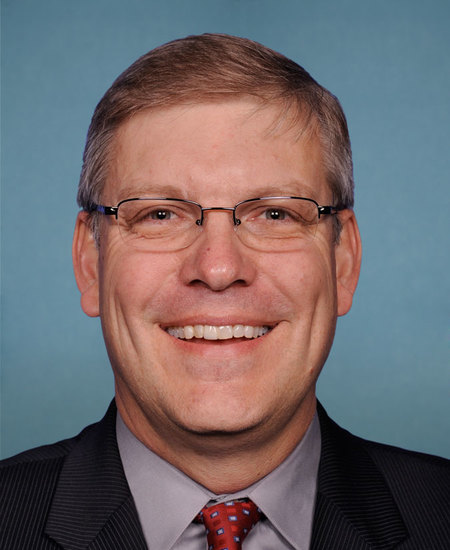
Rep. Barry Loudermilk
Sponsored bills
Maddy summaryThis bill appropriates $14.3 billion in supplemental security funding to Israel following the October 7, 2023 attacks. The funding includes $4 billion for Iron Dome and David's Sling defense systems, $1.35 billion for the Iron Beam defense system development, and $3.5 billion for foreign military financing. The bill requires regular reporting to Congress on security assistance provided to Israel and designates all funds as "emergency requirements" under federal budget law. It also modifies existing laws to facilitate the transfer of defense articles and services to Israel, aiming to strengthen Israel's defense capabilities against rocket threats.
Maddy summaryThe SHIP Act imposes sanctions on foreign entities that knowingly handle Iranian petroleum, targeting those involved in port operations, transportation, refining, or ship-to-ship transfers of Iranian oil. Starting 90 days after enactment, the President must block assets, deny visas, and impose penalties on individuals or companies engaging in these activities, including family members or owners of sanctioned entities. It requires annual reports tracking Iran's oil exports, revenues, and key players like shipping companies and ports. The sanctions terminate if the President certifies Iran has stopped supporting terrorism and dismantled weapons programs.
Maddy summaryThis bill denies U.S. green energy tax credits to companies connected to specific countries. It targets companies created in, controlled by, or owned by entities linked to China, Russia, Iran, or North Korea. The law amends the tax code to exclude these "disqualified companies" from claiming credits under sections covering solar, wind, and other clean energy investments. This directly affects U.S. businesses with ties to those nations seeking federal tax benefits for green energy projects.
Maddy summaryThe Bring Americans Home Act prohibits the U.S. Department of State from requiring American citizens to pay for government-assisted evacuations or departures from crisis situations abroad. It directly affects U.S. citizens evacuated by the State Department or receiving government-arranged departure assistance during emergencies overseas. The bill's key provision explicitly bans the Secretary of State from charging these costs, overriding any existing laws that might impose such fees. This ensures citizens face no financial burden when the government arranges their safe return from dangerous locations.
Maddy summaryHRES 771 is a non-binding resolution expressing the U.S. House of Representatives' support for Israel following Hamas' October 7, 2023, attack. It condemns Hamas' actions, affirms Israel's right to self-defense, and calls for the immediate release of hostages. The resolution also urges enforcement of existing laws restricting aid to terrorists and sanctions against Iran for supporting Hamas. It does not create new policies or allocate funds, as it is a symbolic statement of congressional support.
Maddy summaryHRES 768 is a symbolic House Resolution expressing congressional support for Israel following Hamas' October 7, 2023 attacks. It condemns Hamas' actions, reaffirms Israel's right to self-defense, and calls for the immediate release of hostages. The resolution references the U.S. commitment to Israel's security through existing military aid programs, including the 2016 U.S.-Israel Memorandum of Understanding, and emphasizes enforcement of laws like the Taylor Force Act to prevent U.S. aid from reaching terrorist groups. As a symbolic resolution, it does not create new policy but serves as a statement of congressional support for Israel.
Maddy summaryThis bill authorizes a one-time $40,000 payment to former Air America employees who served at least five years during 1950-1976, or to their survivors (widows/widowers, dependents, or children). Additional $8,000 payments are provided for each full year of service beyond five years. The total funding is capped at $60 million, with claims due within two years of regulations being finalized. It does not create ongoing benefits or change Air America’s legal status, and payments are issued as a single lump sum.
Exchange Regulatory Improvement Act of 2023 This bill revises the definition of facility for purposes of regulation under the Securities Exchange Act of 1934. Specifically, the bill provides that a facility does not include any property, premises, or service that can legally be offered by a person or entity that is not required to be registered as an exchange.
Maddy summaryHR 5641, the Pay Our Troops Act, ensures military personnel and their support staff continue receiving pay during fiscal year 2024 if Congress fails to pass regular budget appropriations. It appropriates existing Treasury funds to cover pay and allowances for active-duty troops, reserve components, and civilian employees or contractors supporting military operations. The bill automatically terminates on January 1, 2025, or earlier if Congress enacts a regular budget or continuing resolution. This provision directly affects service members, Department of Defense staff, and Coast Guard personnel (when not under the Navy) during budget implementation gaps.