

Maddy summaryHRES 1148 is a resolution passed by the U.S. House of Representatives that condemns the Iranian government for supporting terrorism, regional proxy conflicts, and internal suppression of dissent - including its crackdown on protests following Mahsa Amini's death in 2022. It specifically calls for maintaining sanctions against Iran, supporting the Iranian Resistance's Ten-Point Plan (which advocates for a democratic, secular, nonnuclear Iran), and protecting Iranian political refugees in Albania. The resolution also affirms the Iranian people's right to self-determination under international law and urges the U.S. to recognize their struggle for freedom. As a non-binding resolution, it does not create new laws but formally expresses congressional stance.
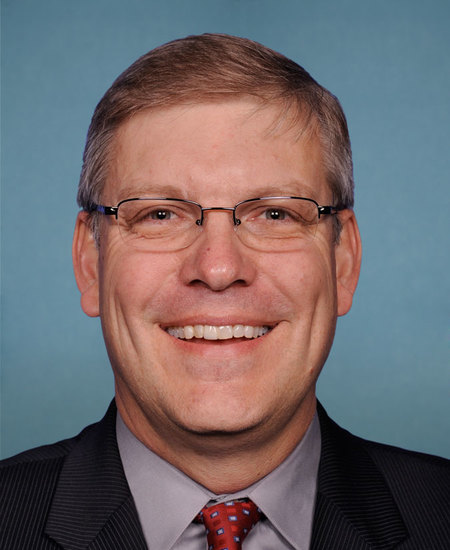
Rep. Barry Loudermilk
Sponsored bills
Maddy summaryThis bill, the NO VOTE for Non-Citizens Act of 2023, aims to prevent non-citizens from voting in federal elections by requiring states to maintain separate voter registration lists for non-citizens if they are permitted to vote in state or local elections, and reducing federal election administration funding to such states by 30%. It clarifies that non-citizens cannot be on federal voter registration lists, mandates federal agencies to provide voter status information to state election officials, and adds penalties for non-citizens who vote in federal elections, including fines and potential imprisonment. The bill directly affects states that allow non-citizen voting in state or local elections, federal election administrators, and non-citizen residents. It amends existing laws including the National Voter Registration Act of 1993 and the Help America Vote Act of 2002.
Maddy summaryHR 7944, the Water Systems PFAS Liability Protection Act, exempts public water systems, wastewater treatment facilities, and related entities from liability under federal environmental law for PFAS releases, provided they follow all applicable laws during water treatment and disposal. The bill protects these "protected entities" from lawsuits seeking cleanup costs or damages related to PFAS, as long as their actions were consistent with current regulations during water management. However, entities remain liable if they acted with gross negligence or willful misconduct in handling PFAS.
Maddy summaryH.J.Res. 116 seeks to block a Department of Labor rule finalized on January 10, 2024, which aimed to clarify how businesses classify workers as employees or independent contractors under the Fair Labor Standards Act (FLSA). If passed, this resolution would prevent the rule from taking effect, directly affecting businesses that use independent contractors and their workers, who rely on FLSA protections for minimum wage and overtime pay. The bill uses a specific congressional process (under Chapter 8 of Title 5, U.S. Code) to disapprove the rule, rather than creating new policy. This action would maintain the existing classification standards until a new rule is established.
Maddy summaryHR 661, "Sarah’s Law," requires U.S. immigration authorities to detain certain immigrants charged with crimes causing death or serious injury. It applies to immigrants who entered without proper inspection, held revoked temporary visas, or fall under specific deportation categories, and who face charges for violent crimes. The bill mandates that immigration officials notify victims or their families (like parents or spouses) about the immigrant’s identity, immigration status, custody details, and removal efforts. This law does not change existing victim rights but adds specific notification requirements for these cases.
Maddy summaryHR 4278, the Restore VA Accountability Act of 2023, establishes new disciplinary procedures for VA supervisors and management officials (excluding senior executives and political appointees). It requires the VA Secretary to use "substantial evidence" for removal, demotion, or suspension, sets strict timelines (15 business days total for decisions), and creates a new internal grievance process. The bill limits judicial review to procedural errors, not penalty severity, and strengthens whistleblower protections by requiring Office of Special Counsel approval for disciplinary actions involving disclosures. This directly affects VA supervisors and managers whose performance or misconduct leads to disciplinary action.
Maddy summaryThis bill (HR 532) designates the federal building and courthouse at 600 East First Street in Rome, Georgia, as the "Harold L. Murphy Federal Building and United States Courthouse." It directly affects all official references to this specific building in federal records, maps, and documents. The key provision updates all federal references to the building to include Judge Murphy's name, replacing its previous designation. This is a procedural naming change with no new policy or funding impacts.
Maddy summaryThe Laken Riley Act (HR 7511) would require federal authorities to detain non-citizens charged with or convicted of burglary, theft, larceny, or shoplifting offenses. It also creates new legal standing for state attorneys general to sue federal immigration officials in federal court if they believe immigration enforcement decisions (like releasing aliens or granting parole) cause financial harm exceeding $100 to the state or its residents. The bill amends immigration laws to expand detention requirements for certain property crimes and allows states to seek court orders to enforce immigration policies. It does not create new criminal penalties but modifies existing immigration enforcement procedures. The bill’s findings and political language about the Laken Riley case are not part of its policy provisions.
Maddy summaryThis bill changes how firearm license violations are handled. It requires the federal government to give license holders (like dealers) 30 business days to correct self-reported violations before taking enforcement action, including license revocation. License holders can also choose to challenge license revocations in federal court within 10 days instead of requesting an administrative hearing. The law specifically defines "self-reported violation" and clarifies that minor or clerical errors cannot be considered "willful" violations. These provisions directly affect firearm license holders by altering the enforcement process for regulatory compliance.
Maddy summaryHR 7450, the Protecting Privacy in Purchases Act, prohibits payment card networks and covered entities (like payment processors) from requiring or assigning merchant category codes that specifically identify firearms retailers as different from general stores or sporting goods retailers. This directly affects firearms retailers and payment networks by preventing them from using business classification codes that could flag firearm sales. The bill establishes an enforcement process where the Attorney General investigates complaints, issues remediation notices, and can seek court injunctions for non-compliance, while preempting state or local laws on this issue. It does not create private lawsuits for individuals.