

Maddy summaryThe Telehealth Modernization Act of 2024 extends Medicare's temporary telehealth coverage rules permanently, removing the previous 2024 expiration date. It expands who can provide telehealth services by allowing more healthcare professionals (like certain nurse practitioners) to bill Medicare for these services, and ensures Federally Qualified Health Centers and Rural Health Clinics can continue billing for telehealth under existing payment rules after 2024. The bill also explicitly permits audio-only telehealth calls for Medicare coverage and allows telehealth for hospice face-to-face visits and home dialysis assessments as clinically appropriate, without time limits. These changes directly affect Medicare beneficiaries, healthcare providers, and community health centers offering telehealth services.
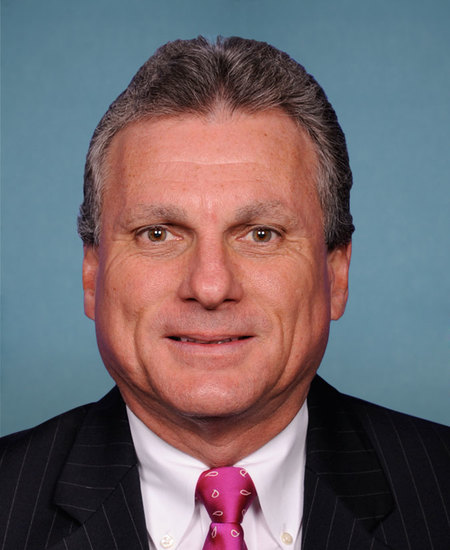
Rep. Earl L. "Buddy" Carter
Sponsored bills
Maddy summaryThis bill requires Medicare to cover falls risk assessments and fall prevention services during annual wellness visits and initial preventive physical exams for seniors aged 65+ who have fallen in the previous year. It directly affects Medicare beneficiaries with recent falls and healthcare providers delivering these services under Medicare. The key mechanism expands existing Medicare benefits to include these specific fall prevention services, effective January 1, 2025. Additionally, it mandates annual reports starting in 2026 tracking falls data for seniors over 65 who received fall-related treatment.
Maddy summaryHR 7224 extends funding for the SOAR to Health and Wellness Training Program by updating its authorization period in law from fiscal years 2020-2024 to 2025-2029. This procedural bill directly affects the existing program, which trains health professionals to identify and address patient health concerns through observation and communication. It does not create new requirements or change program operations, only renewing the legal funding timeframe.
Maddy summaryThe Preserving Seniors’ Access to Physicians Act of 2023 increases the Medicare payment adjustment rate for physicians from 1.25% to 4.62%, directly affecting doctors who treat Medicare patients (primarily seniors). It also reduces the funding for the Medicaid improvement fund from $5,796,117,810 to $3,973,117,810. These changes impact Medicare providers and Medicaid programs, with the Medicare adjustment aimed at supporting physicians adjusting to payment changes. The bill does not specify how the Medicaid funding reduction relates to its stated goal of preserving seniors' access to physicians.
Maddy summaryThis bill updates the "competitive need limitation" for duty-free imports from beneficiary developing countries under the Trade Act of 1974. It increases the annual cap for eligible imports from $75 million to $600 million and changes how the limit is calculated to count only duty-free entries during a calendar year. The President must restore duty-free treatment for most eligible articles within 120 days of the bill's enactment, with a one-year review period for sensitive products requiring continued withholding. The bill also requires a report to Congress within one year detailing restored and withheld duty-free treatments. This directly affects importers of goods from designated developing countries eligible for trade benefits.
Maddy summaryThis bill updates Medicare physician payment rules to improve stability and accuracy. It raises the budget neutrality threshold from $20 million (pre-2025) to $53 million in 2025, with annual indexing after 2026, to prevent excessive payment adjustments. The bill requires the Medicare program to correct budget neutrality payments based on actual service utilization data (not estimates) starting in 2025, and mandates updating direct cost inputs (like staff wages and equipment prices) every 5 years. It also caps annual changes to the physician payment conversion factor at 2.5% to limit sudden payment shifts, directly affecting Medicare physicians and healthcare providers receiving these payments.
Maddy summaryHR 5400, the NO PBMs Act, requires Medicare Part D prescription drug plans (PDP sponsors) and pharmacy benefit managers (PBMs) to allow any pharmacy meeting basic contract terms to join their networks. This directly affects Medicare beneficiaries by expanding their choice of pharmacies, as current networks often restrict access to specific locations. Key provisions mandate that PDP sponsors and PBMs must accept all eligible pharmacies and establish standardized "reasonable and relevant" contract terms by January 1, 2026. The bill aims to increase pharmacy access without altering drug pricing or plan benefits.
Maddy summaryThis bill clarifies that Medicare must cover external infusion pumps and associated non-self-administrable drugs as durable medical equipment (DME) when specific criteria are met. It directly affects Medicare beneficiaries requiring home infusion therapy for drugs that must be prepared just before use, administered by a healthcare professional, or labeled for external pump use at least monthly. Key provisions require the drug's FDA labeling to specify external pump administration, safe home delivery by qualified suppliers, and preparation/administration requirements. The bill mandates Medicare coverage under existing rules (LCD L33794) for qualifying treatments, effective upon enactment or FDA approval, whichever is later.
Maddy summaryHR 5393 requires Medicare Part D plans and Medicare Advantage plans with Part D to use standardized, evidence-based performance measures when determining financial incentives or fees for pharmacies. These measures must be tailored to pharmacy types (like retail, mail order, or specialty) and will be maintained in a public list by the government. The bill also mandates that plans provide pharmacies with clear, standardized payment information for each claim, including fees and discounts. Additionally, the government must conduct a study on current practices and report findings to Congress by 2025.
Maddy summaryHR 5376, the Share the Savings with Seniors Act, changes Medicare Part D drug cost-sharing rules for specific chronic medications starting in 2025. It limits what seniors pay for certain chronic care drugs (like anticoagulants, blood glucose regulators, and respiratory medications) by capping pre-deductible costs at the drug's net price and requiring coinsurance after the deductible to be based on that net price. This directly affects Medicare Part D beneficiaries taking these defined chronic medications. The bill aims to reduce out-of-pocket costs by tying payment limits to the negotiated drug price rather than list price or other benchmarks.